

If you want to learn electrical work before beginning formal training, Alison offers a free introductory course covering electrical theory, wiring basics, and safety principles.
The course is free to study online, and it introduces the trade, but professional electrical work still requires hands-on training and involves requirements depending on where you live.
Electrician training for beginners with Alison
Alison’s Introduction to the Electrical Trade is a course designed to be the first level for people who want to learn electrical work before committing to formal training.
The course introduces basic concepts without presenting itself as a substitute for apprenticeship or professional licensing.
The curriculum covers topics such as current, voltage, wiring systems, electrical safety, and other fundamentals used throughout the trade.
That makes it more appropriate for beginners who want context before moving into hands-on instruction.
One of its highlights is that it can be studied online for free through a browser.
However, the Alison certificate is optional and paid, so completing the lessons doesn’t mean receiving a free professional credential.
This distinction matters where electrician training often continues through supervised work or an apprenticeship, and licensing requirements can vary by state.
For someone still exploring the field, the course works best as a foundation.
It can help you understand the terminology and basic principles before deciding whether a longer technical program or apprenticeship makes sense.
Step-by-step: access the course and start to learn electrical work
Alison’s course runs directly in your browser, so you can begin without installing an app.
The process starts on the course page, where you can review all about the Electrician Trade.
Step 1: open the course page
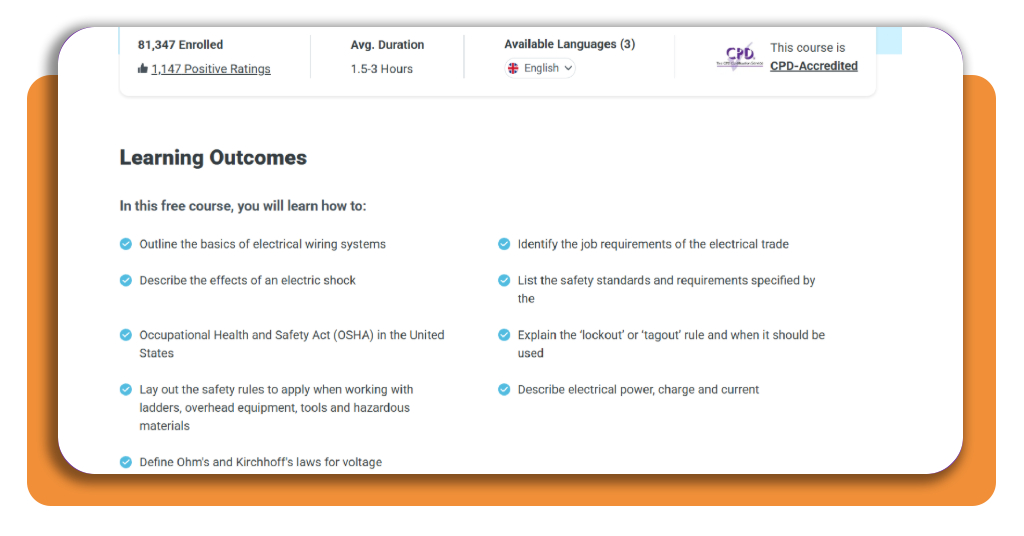
Go to Introduction to the Electrical Trade on Alison and review the course description, topics, and learning outcomes.
Step 2: create or sign in to your Alison account
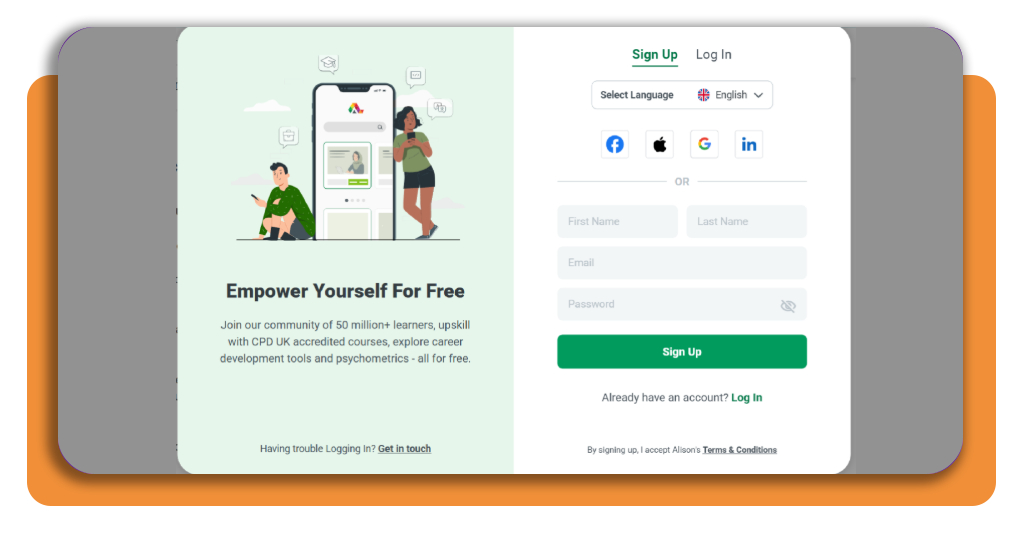
Select the option to start learning and sign in or create a free account if required.
Step 3: open the first module
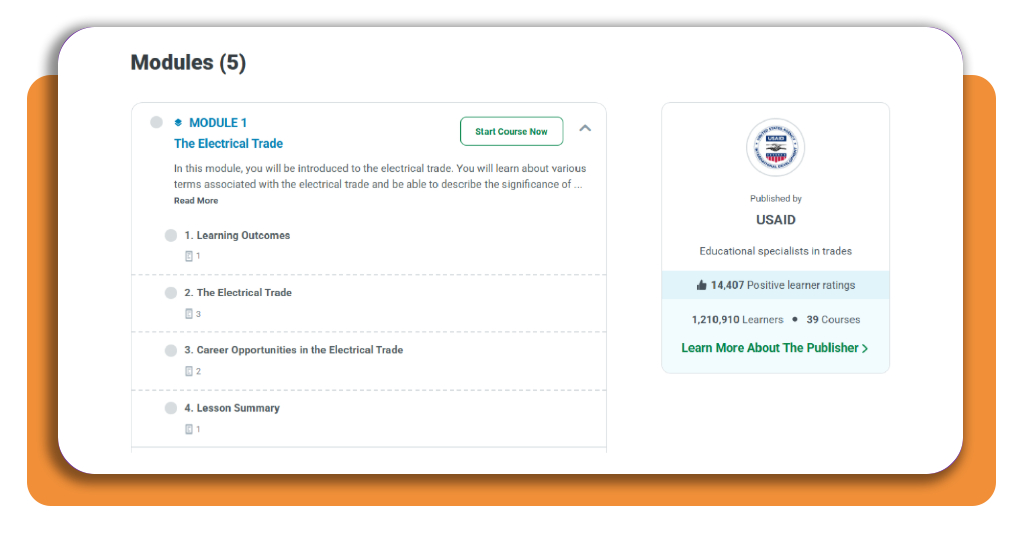
Enter the course and begin with the introductory lessons. The material covers electrical fundamentals, wiring concepts, and safety principles.
Step 4: continue through the lessons
Work through the modules at your own pace and use the course progress area to keep track of what you have completed.
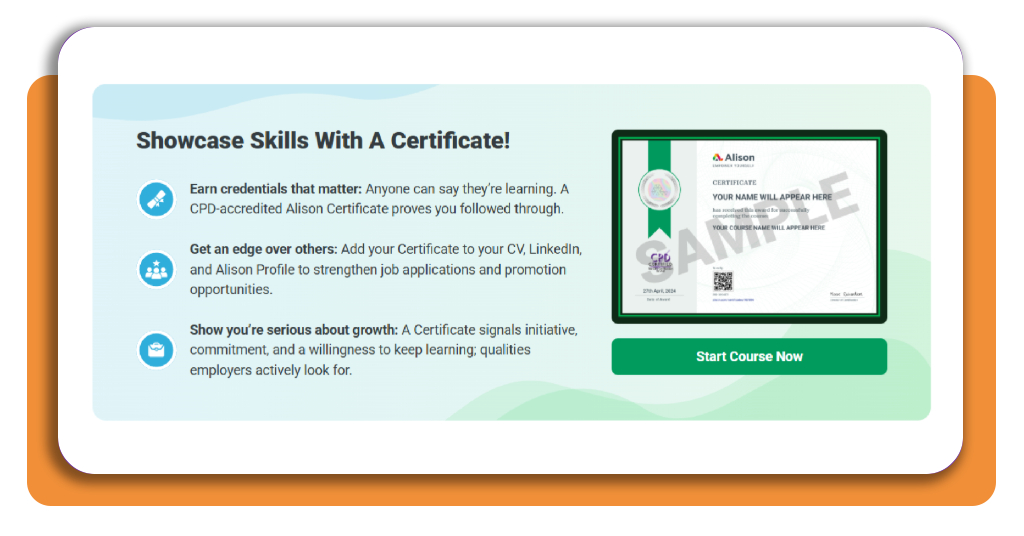
Studying the course is free, but an optional Alison certificate may involve a separate charge and should not be confused with an electrician license.
Explore electrical concepts, safety, and course limits
Alison’s introductory course to learn electrical work covers core ideas like current, voltage, wiring systems, and basic electrical safety.
The goal is to give beginners enough context to understand how the trade works in theory and then move them to practical training.
The safety content is important because when you learn electrical work, it involves risks that cannot be learned safely through theory alone.
Also, these online lessons explain principles and terminology, but they should not be treated as permission to work on energized systems without supervision.
The course also has clear limits. It does not replace an apprenticeship, supervised hands-on training, or any license that may be required where you live.
That makes the course most valuable as a foundation.
It can help you understand the language and concepts used in the trade, then make it easier to compare more advanced training options afterward
Where to access Alison’s introductory electrical course
You can learn electrical work by accessing Introduction to the Electrical Trade directly through Alison’s website.
The course runs in a browser, so you can review the content and begin studying without installing a separate app.
The course page shows the main topics, learning outcomes, and enrollment options. From there, you can sign in or create an account and work through the modules at your own pace.
The lessons are free to study, but an optional certificate is separate and may involve a fee.
That certificate also does not replace supervised training or any electrician license required in your state.
Before moving from online study to professional work, compare the course with the training and licensing requirements in your area.
The BLS, for example, notes that most electricians learn through apprenticeship programs and that licensing rules vary by state.
Build your foundation and compare hands-on training paths
An introductory course to learn electrical work helps you understand electrical concepts, but professional development requires hands-on training as well.
Apprenticeships and technical programs add supervised experience that online study cannot provide.
The first thing to do is compare how each option handles classroom instruction, practical work, cost, duration, and preparation for local licensing requirements.
We recommend the Apprenticeship.gov career seeker resources as a good place to explore formal apprenticeship paths and understand how structured training programs work.
If you want another beginner option, Insiderbits has a guide to a free electrician course online with certificate that can help you compare introductory training formats.
The goal is to use free online learning as a foundation, then move toward the supervised training and licensing path that matches the type of electrical work you want to pursue.
Use free study as the first step
Everyone who wants to learn electrical work online can make the trade easier to understand by using Alison.
The platform gives beginners a low-cost way to explore core concepts and safety principles first.
The course is only the beginning, though. Hands-on training, apprenticeships, getting more experience, and licensing requirements matter if you want to move to electrical work.
Use the free course to build context, then compare training paths that match your goals and local requirements. That makes the next investment of time or money easier to evaluate.
Enjoyed this article? Save Insiderbits to your favorites and discover the most useful tech tips.