

The LIHEAP application deadline can make all the difference when your household needs help keeping the lights on and the temperature comfortable.
The Low Income Home Energy Assistance Program helps eligible households pay heating and cooling bills, but application periods, funding availability, and eligibility rules vary by state. Read on Insiderbits.
What LIHEAP covers and who it helps?
When heating bills climb in winter or air conditioning becomes a summer necessity, energy costs can quickly squeeze a household budget.
For families with limited incomes, older adults, and people with disabilities, keeping a home comfortable can become a difficult balancing act.
The Low Income Home Energy Assistance Program (LIHEAP) helps eligible households manage these costs, respond to energy emergencies, and, in some cases, improve home energy efficiency.
The exact benefits depend on the state, territory, or Tribal program, but assistance falls into three categories:
- Heating and Cooling Assistance: financial support to help cover home energy bills. Payments are often sent directly to utility companies or fuel suppliers, although some programs use other payment methods;
- Crisis Assistance: help for households facing an energy emergency, such as an imminent utility shutoff or an empty supply of heating fuel. Federal rules require crisis assistance to be provided within 48 hours of an eligible application, or within 18 hours when the situation is life-threatening. Local programs determine which emergencies qualify and how assistance is delivered;
- Weatherization and Energy-Related Repairs: some LIHEAP programs offer services such as insulation improvements or repairs to heating and cooling equipment. This assistance is optional, so it is not available through every local program.
One important detail: LIHEAP does not guarantee that every applicant will receive every type of assistance.
Checking your local program’s eligibility rules, available services, and LIHEAP application deadline is the best way to understand what support you can actually request.
LIHEAP application deadline: how it works in your state
LIHEAP application periods vary considerably by state, so there is no single national calendar to follow.
Some states open applications early for older adults and households with disabilities, while others prioritize winter heating assistance for the general public later in the season.
Summer cooling programs may also have separate application periods in warmer regions.
Crisis assistance follows its own rules and may be available throughout the year or during designated emergency periods, depending on the local program.
Federal guidelines require eligible crisis applications to be addressed within 48 hours, or within 18 hours when the situation is life-threatening, but this does not mean applicants are guaranteed approval within that timeframe.
Since funding can run out before a program’s scheduled closing date, checking your local LIHEAP application deadline and applying as soon as the application period opens can help you avoid missing available assistance.
To find the relevant state or Tribal agency, use the official LIHEAP State Search Tool or visit USA.gov’s guide to help with energy bills.
Eligibility criteria: who qualifies
To qualify for LIHEAP, your household must meet income and program requirements established by your state or local agency.
The rules vary depending on where you live and the type of assistance you’re requesting, so there’s no single nationwide income cutoff. Federal law sets the eligibility boundaries:
states cannot set the income threshold below 110% of the Federal Poverty Guidelines (FPG), and the maximum is generally the greater of 150% of the FPG or 60% of the State Median Income (SMI).
Within those limits, each state establishes its own criteria.
Other factors may affect your eligibility or application priority:
- Household income: your income must fall within your state’s LIHEAP limits, which may vary by household size and assistance type;
- Priority populations: programs are encouraged to reach older adults, people with disabilities, and families with young children. However, priority rules differ by location;
- Responsibility for energy costs: you may need to show that your household pays heating or cooling bills directly or that energy expenses are included in your rent. Utility bills, fuel receipts, or rental documents may help establish this;
- Housing situation: renters are not automatically excluded, but the local agency will determine whether their energy expenses meet program requirements.
Before applying, check your local income limits, required documents, and LIHEAP application deadline. A quick review of your state’s rules can save time and help you avoid submitting an incomplete application.
Step-by-step: how to apply for LIHEAP
Applying early ensures your application is processed before funds run out. Follow this step-by-step to submit your request:
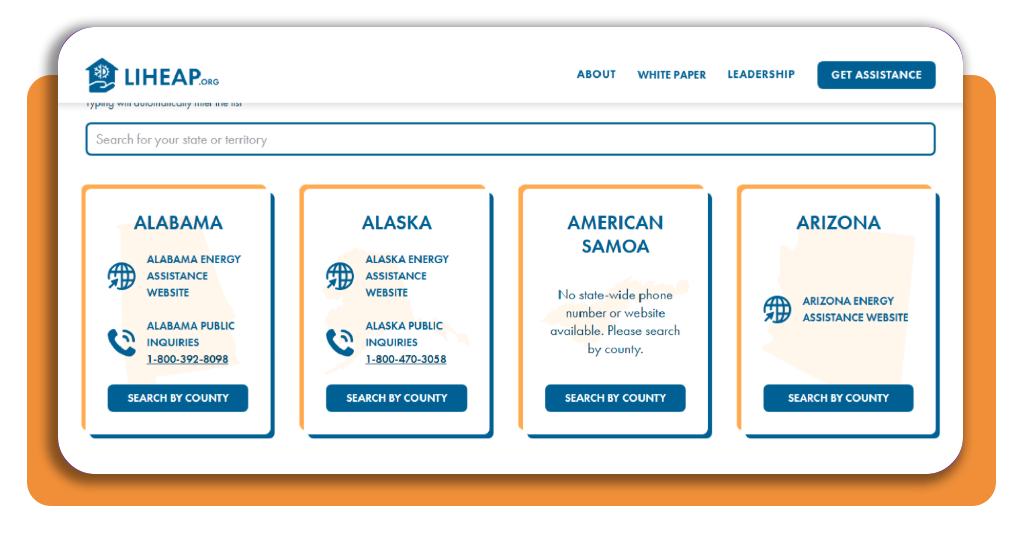
Step 1: find your local LIHEAP agency
Identify your local intake office. Many states allow you to apply online through portals (such as COMPASS in PA or myBenefits in NY), by mail, or in person. Confirm when your state opens its application portal.
Note whether seniors or households with disabled members get early priority access.
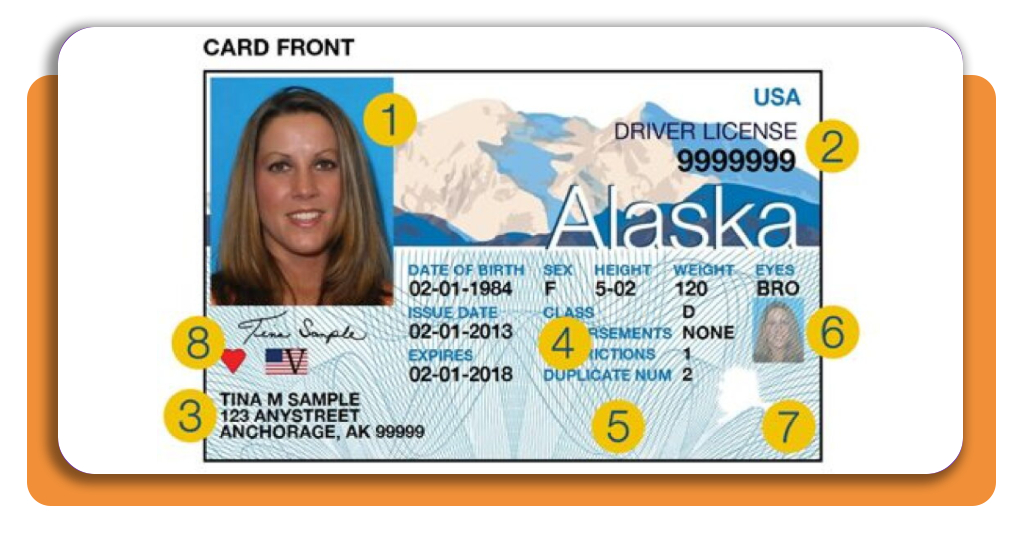
Step 2: gather required supporting documents
Assemble all mandatory verification documents before starting the form. Missing papers are the single biggest cause of application delays.
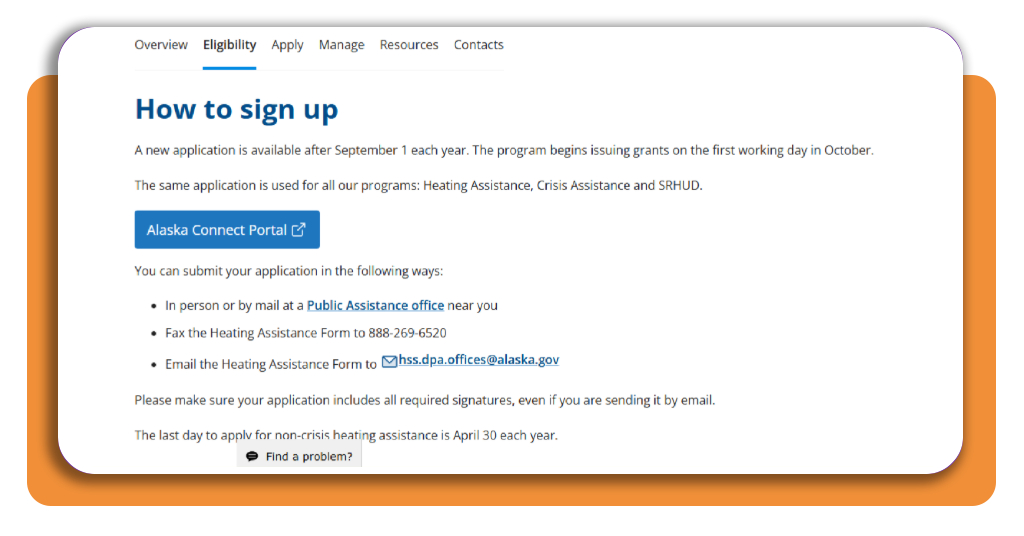
Step 3: submit your application and track status
Complete the application form accurately. If you have an active disconnect notice, attach it prominently so your case can be marked for urgent crisis handling.
Documents to gather before you apply
Submitting a complete application package with all required attachments speeds up verification and approval. Prepare the following paperwork:
- Proof of identity: government-issued photo IDs (driver’s license, state ID, or passport) for the primary applicant, along with birth certificates or Social Security cards for all household members;
- Proof of household income: pay stubs covering the last 30 to 60 days, W-2 forms, Social Security benefit verification letters (SSI/SSDI), pension statements, or unemployment compensation notices for all working adults in the home;
- Recent utility bills: copies of your most recent heating, gas, and electric bills displaying your account number, service address, and balance;
- Proof of housing and occupancy: a current lease agreement, rent receipt specifying utility responsibility, or mortgage statement.
- Disconnection notice (if applicable): an official shutoff or disconnection warning from your utility company if you are applying for emergency crisis assistance.
To explore additional ways to reduce your utility costs and spot unexpected charges, check out our guide on how to check your electricity bill for free.
You can also review the complete program regulations on the HHS LIHEAP Office Portal.
Do not wait for the deadline to apply
Because federal funding is limited each year, the LIHEAP application deadline in your state may depend on how quickly available funds are used.
Some programs stop accepting applications before the scheduled closing date once their budgets are exhausted.
Gathering your income and utility documents in advance and applying as soon as your local program opens can help you avoid missing the opportunity to receive assistance and keep your home safe and comfortable.