

A payoff calculator makes it easier to handle debt relief and repayment options, and shows how changing the order or adding extra payments affects the projected timeline.
Let’s explore how Debt Payoff Planner (iOS/Android) compares strategies to help you understand when a self-managed repayment plan is not enough.

4.7/5
Which is the app to check debt relief and repayment options privately?
For someone who wants to understand different repayment options without immediately contacting a debt settlement company, Debt Payoff Planner (iOS/Android) is your starting point.
The app works as a self-directed calculator: you enter each balance, APR, minimum payment, and the extra amount you can put toward debt each month.
From those numbers, the platform builds a customized repayment schedule and estimates how long it could take to become debt-free.
It supports credit cards, student loans, auto loans, medical debt, mortgages, personal loans, tax debt, and other balances.
Within the app, you can prioritize smaller balances, higher-interest debts, one-time extra payments, or create your own payoff order and see how each approach changes the timeline.
However, Debt Payoff Planner (iOS/Android) doesn’t negotiate with creditors or determine whether you qualify for a formal debt relief program.
Its role is to give you a clearer picture of what a self-managed repayment strategy could look like using your own financial information.
Key features within Debt Payoff Planner
When it comes to features, the app (iOS/Android) includes four repayment options:
Debt Snowball, prioritizing the smallest balance; Debt Avalanche, which targets the highest interest rate; Debt Snowflake, for one-time extra payments; and a custom strategy where you choose the repayment order yourself.
It also compares a minimum-payment-only approach with plans that include extra monthly contributions.
This makes it easier to see how adding more than the required minimum can change both the repayment timeline and the amount of interest paid over time.
As payments are completed, the app updates the projected debt-free date and adjusts the remaining schedule.
And you can also change the monthly amount or repayment strategy at any point to see how those changes affect the plan going forward.
These tools make the platform useful for testing different scenarios and deciding which repayment structure fits your budget and priorities.
Step-by-step: how to simulate debt consolidation and repayment strategies
Debt Payoff Planner (iOS/Android) lets you test different ways of paying down debt using your actual balances, interest rates, and minimum payments.
Check below how to compare your current repayment plan with a hypothetical consolidation scenario if you already have loan terms to work with.
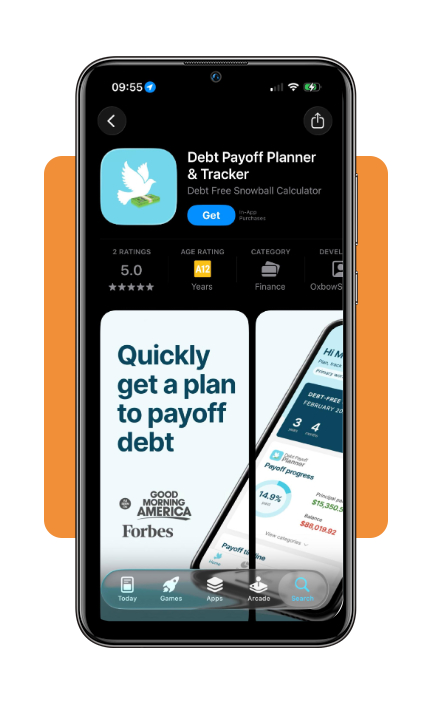
Step 1: download Debt Payoff Planner
First of all, open the App Store or the Play Store, and search for the Debt Payoff Planner to download and install the app.
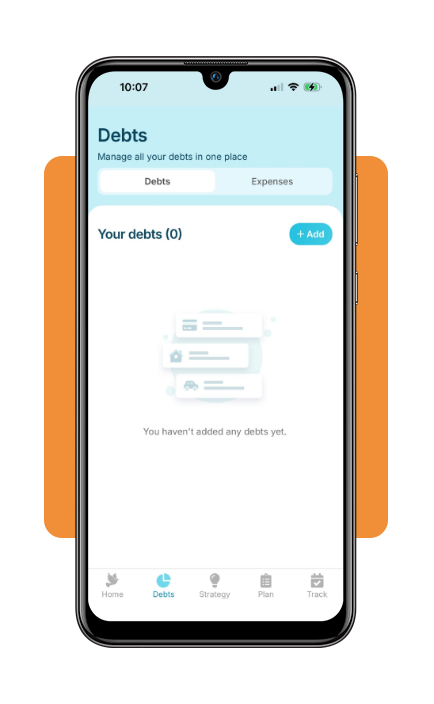
Step 2: add your current debts
Enter each credit card or loan separately. For every account, add the current balance, APR, and minimum payment. The app uses these numbers to build your initial payoff plan.
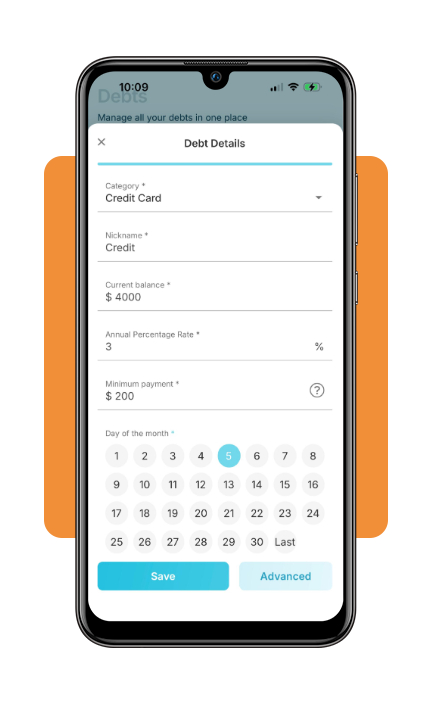
Step 3: provide info about your debt
When adding a current debt, you need to choose a category, the current balance, the annual percentage rate, minimum payment and day of the month you need to make the payment.
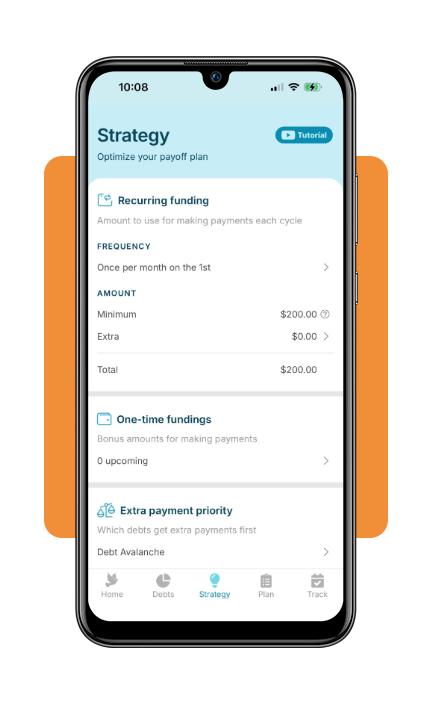
Step 4: choose a repayment strategy
Now, open the ‘Strategy’ section and select how extra payments should be prioritized.
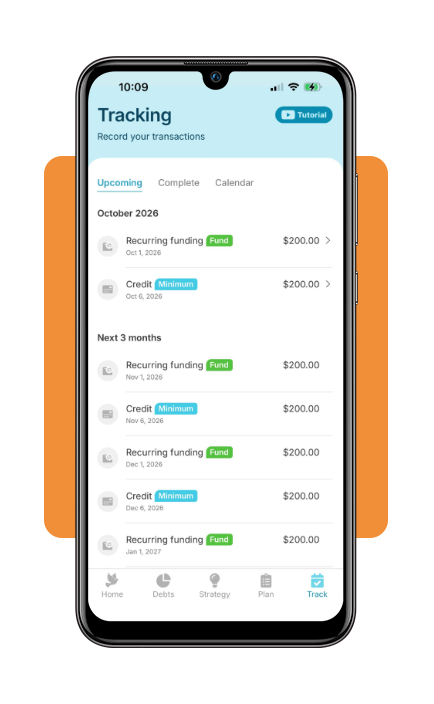
Step 5: track your debts
After adding your debts and choosing a strategy, you can begin to track your repayment options.
Top debt relief companies
As you can see, a repayment app organizes a self-managed payoff plan, but some borrowers eventually look for professional help when unsecured debt gets difficult to manage.
Debt relief companies take a different approach: they negotiate with creditors in an effort to reduce enrolled balances, usually in exchange for a fee.
CNBC Select notes that these programs carry significant costs and can also hurt your credit, so they are not interchangeable with ordinary repayment planning.
For another perspective on debt management, National Debtline provides free guidance on repayment options when dealing with creditors.
Freedom Debt Relief
Freedom Debt Relief is CNBC Select’s current pick for customer service.
It works primarily with unsecured debts such as credit cards, medical bills, and personal loans, and it is common to require at least $7,500 in eligible debt to enroll.
Its settlement fees typically range from 15% to 25% of enrolled debt, depending on the state and amount involved.
Customer service is available seven days a week, and the company offers a fee-refund guarantee if a negotiated settlement ends up exceeding the balance originally enrolled.
Accredited Debt Relief
Then, Accredited Debt Relief stands out for combining settlement services with educational resources on budgeting and debt management.
CNBC Select currently names it the best option for debt resources and reports that it has helped more than 1.3 million clients resolve over $15 billion in debt.
The company works with unsecured debt and charges settlement fees that average 15% to 25% of the enrolled balance, depending on the state.
Overall, professional settlement should be compared with other repayment options, since reduced balances come with fees and potential credit consequences.
A company that fits one borrower’s situation can be unnecessary or too expensive for another when a structured repayment plan is still manageable.
Best low-interest credit builders
It is common for credit-building cards to come with high APRs, so interest costs deserve attention alongside approval requirements and bureau reporting.
Among the secured cards currently listed by Experian for building credit, two First Progress options stand out for carrying lower purchase APRs than many competing products on the same list.
First Progress Platinum Prestige Secured Mastercard
The First Progress Platinum Prestige Secured Mastercard currently has a 13.49% variable purchase APR, one of the lowest rates among the credit-building cards featured by Experian.
It carries a $49 annual fee and requires a refundable security deposit of at least $200 to open the account.
No minimum credit score or established credit history is required, and First Progress reports account activity to Experian, Equifax, and TransUnion.
Therefore, responsible use and on-time payments can contribute to building a payment history across all three major bureaus.
First Progress Platinum Select Secured Mastercard
The First Progress Platinum Select Secured Mastercard offers a slightly higher 17.49% variable purchase APR, but its annual fee is lower at $39.
Like the Prestige version, it requires a minimum $200 security deposit and is designed for applicants who are building or rebuilding credit.
It also reports to all three major credit bureaus and does not require a minimum credit score.
This version makes more sense for someone who prefers a lower yearly fee and expects to pay the balance in full most months.
Meanwhile, the Prestige card places more emphasis on reducing interest costs when a balance is carried.
4.7/5
Choose a repayment strategy you can actually maintain
The right repayment options depend on how much you owe, the interest rates attached to each balance, and how much room your monthly budget has for extra payments.
For that, Debt Payoff Planner (iOS/Android) will compare different payoff paths without committing you to a formal debt relief program.
The best way to address this situation is the one that fits your finances well enough to be followed consistently.
If it is important to you, Insiderbits also has an ITIN application guide for readers who need help organizing other parts of their financial documentation. Check it now!
Enjoyed this article? Save Insiderbits to your favorites and discover the most useful tech tips.