

Tax amnesty can sound like a way to erase old tax problems, but for gig workers it usually means finding the right IRS relief or payment option for the situation.
Keeper (iOS/Android) is an app that organizes income, expenses, and deductions, while the IRS determines if you qualify for penalty relief or another path to get current.

Which is the best app to check tax amnesty options and track IRS tax debts for gig workers?
Taxes are always complicated, but to check tax amnesty, the IRS is the place to verify an actual federal tax balance or relief option.
Meanwhile, Keeper (iOS/Android) is an app for organizing the tax side of gig work, by tracking income-related expenses, deductions, mileage, quarterly taxes, and filing information.
For gig workers trying to get current, Keeper (iOS/Android) still plays an important role.
It reconstructs the records behind a tax return when income came from several apps or freelance jobs and business expenses were scattered across different accounts.
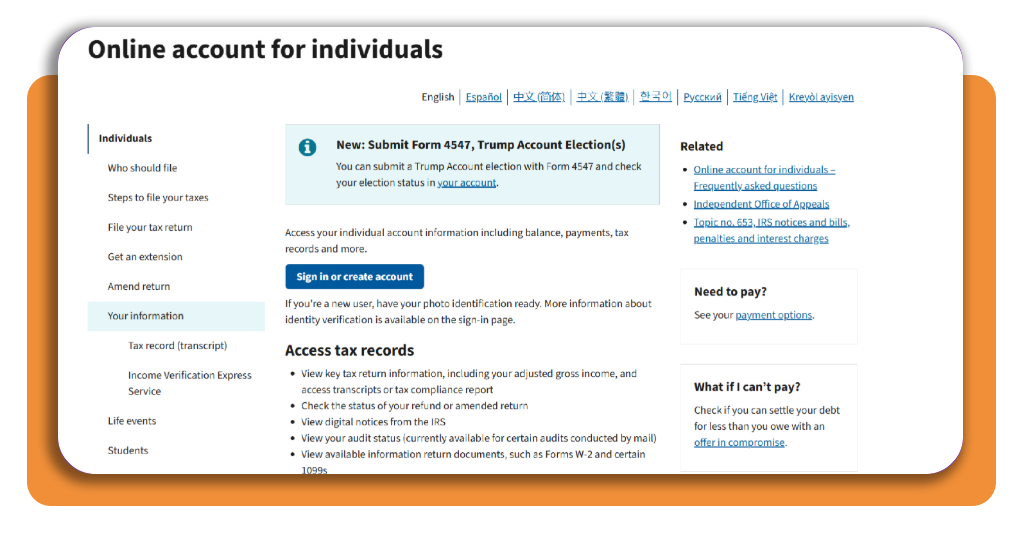
If the concern is an existing IRS balance, the IRS Online Account is the direct tool.
The platform shows balances owed by tax year, payment history, tax records, notices, and existing payment plan information.
The IRS also has a separate tax debt help tool that points taxpayers toward payment plans, penalty relief, temporary collection delays, or an Offer in Compromise, if applied.
So, for someone searching for tax amnesty, the accurate setup is to use Keeper (iOS/Android) to organize the numbers and the IRS to confirm what is owed and which paths are available.
Keeper: Tax Filing & Expenses
Key features within the Keeper platform
Keeper (iOS/Android) is built around the day to day tax records that gig workers sometimes struggle to organize.
The app is known for connecting financial accounts, identifying potential business expenses, and separating deductible spending from personal transactions.
Meanwhile, mileage tracking is another core feature for drivers and delivery workers.
Also, the platform estimates quarterly tax obligations based on the income and deductions entered.
Keeper (iOS/Android) supports tax filing, which connects the records gathered throughout the year with the return itself.
That can reduce the amount of manual entry needed when income comes from several gig platforms or freelance clients.
However, what Keeper (iOS/Android) doesn’t do is confirm an old IRS balance or approve penalty relief.
Those parts of a tax amnesty or debt-relief process still have to be handled through the IRS.
Step-by-step: how to verify IRS back taxes and check penalty relief options
Keeper (iOS/Android) can organize the income and deductible expenses behind your gig work before you check what the IRS says you owe.
Even though the app doesn’t show an official IRS balance, it makes records behind that balance easier to review.
Step 1: connect your financial accounts in Keeper
Download and install Keeper (iOS/Android), or open its official website page. After that, connect the bank or card accounts you used for gig work.
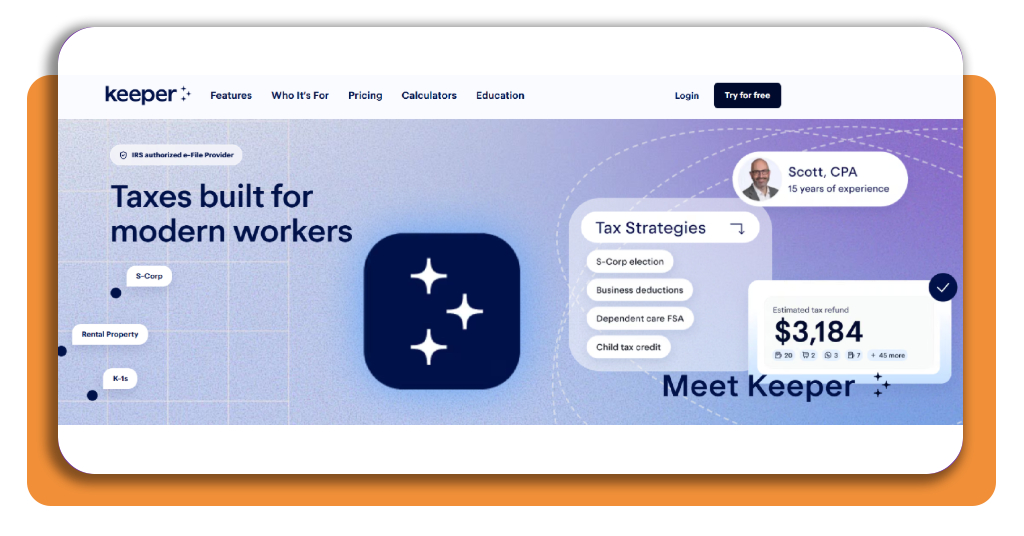
Step 2: review your gig income and expenses
Once your account is connected, go through the transactions Keeper identifies and confirm which ones were related to your work.
Step 3: use Keeper to organize the tax year
Now, review transactions, and use Keeper’s (iOS/Android) tax tools to get a clearer picture of the income, deductions, and estimated tax information for the year you are checking.
This does not replace the IRS record, but it gives you an idea of a set of numbers to compare against any filed or unfiled return.
Step 4: compare your records with the IRS and check relief options
After organizing the year in Keeper (iOS/Android), sign in to your IRS Online Account to verify if a balance, penalty, or missing filing appears on the official record.
In case penalties have been assessed, review the IRS relief options that apply to your situation.
Top tax relief options for gig workers
There is no single form of tax amnesty that fits every gig worker with back taxes.
That said, the right path depends on whether the problem is an unpaid balance, late filing, penalties, or an amount that cannot realistically be paid in full.
IRS payment plans
This can be applied if you owe federal taxes but cannot pay everything at once, an IRS payment plan can spread the balance over time.
Nevertheless, short-term and long-term arrangements are available in different situations, and eligibility depends on different factors:
For example, how much is owed and whether required returns have been filed. Interest and some penalties can continue while the balance remains unpaid.
Penalty relief
Also, some taxpayers may qualify to have certain penalties reduced or removed.
In that case, penalty relief depends on prior compliance history or on whether there was a reasonable cause for missing a filing or payment deadline.
The underlying tax generally remains due even when a penalty is removed.
Offer in Compromise
Then, an Offer in Compromise allows certain taxpayers to settle an IRS debt for less than the full amount owed.
It is not a general discount program. The IRS reviews income, expenses, assets, and ability to pay before deciding whether an offer is acceptable.
Temporary collection delay
Lastly, if paying the IRS would create serious financial hardship, the agency may temporarily classify the account as Currently Not Collectible.
Collection activity can pause, but the debt does not disappear. Interest and penalties may continue, and the IRS can review the taxpayer’s financial situation again later.
For gig workers, the first priority is to get missing returns filed and establish the actual balance before choosing among these options.
Therefore, tax relief works best as a way to resolve a documented tax problem, not as a shortcut around reporting gig income.
To know more about this subject, you can read our guide about ITIN application Insiderbits’ guide on SSN.
Best tax preparation software
Once the problem is identified, filing the missing or current return correctly becomes the next priority.
For gig workers, tax software should handle self-employment income, business expenses, deductions, and estimated taxes without forcing everything into a standard employee return.
TurboTax
TurboTax offers dedicated support for self-employed taxpayers and can guide users through 1099 income, business expenses, vehicle deductions, and other common gig-work tax issues.
Its guided interview format can make a complicated return easier to organize, especially when income came from several platforms during the year.
H&R Block
H&R Block combines online tax preparation with access to in-person offices and tax professionals.
That flexibility may matter for someone catching up on older returns or dealing with a situation that becomes harder to resolve entirely online. Self-employment income and deductible business expenses can also be entered through its filing products.
FreeTaxUSA
FreeTaxUSA takes a more streamlined approach and supports many self-employment tax situations at a lower filing cost than some full-service competitors.
It may fit taxpayers who already have their records organized and are comfortable completing more of the return themselves rather than relying on extensive live assistance.
Regardless of the software, gig income still has to be reported correctly even when a worker does not receive a particular tax form.
The IRS provides its own guidance for managing taxes on gig work, including information about recordkeeping, estimated taxes, and filing obligations.
Consequently, someone already dealing with back taxes, the best platform is the one that matches the complexity of the return and provides support to get the filing history back in order.
Get current before the problem grows
Tax amnesty is about understanding which IRS option fits the problem you have. For gig workers, that starts with confirming what was filed and if payment arrangements need attention.
We recommend Keeper (iOS/Android) to organize the income, expenses, and deductions behind that process.
But the IRS remains the source for balances, penalty relief, and collection options. The clearer your records are, the easier it becomes to choose the right path.
Getting current means filing missing returns or correcting how future gig income is handled. The important part is to address the issue before another tax year adds more complexity.
Enjoyed this article? Save Insiderbits to your favorites and discover the most useful tech tips.