

Using a digital credit repair tool allows consumers to review their official credit files directly, detect inaccuracies, and initiate formal disputes from a mobile phone or desktop computer.
Understanding your legal rights and taking advantage of credit monitoring platforms helps you clean up your record and rebuild your purchasing power safely. Read on Insiderbits.

4.8/5
What is the app for credit repair and score tracking?
Errors on your credit report can have a bigger impact than you might expect.
An inaccurate late payment, a collection account listed twice, or a fraudulent charge could hurt your FICO score and make it harder to qualify for loans, rent an apartment, or access favorable interest rates.
That’s where credit repair comes in: reviewing your records and challenging information that may be incorrect.
The Experian mobile app (iOS | Android) gives users access to their Experian credit report and tools to monitor their credit information.
As one of the three major nationwide credit bureaus, alongside Equifax and TransUnion, Experian allows consumers to check the information in their file and dispute eligible inaccuracies directly.
Through the app, users can review their Experian credit report, monitor score changes, receive fraud alerts, and submit disputes for investigation.
It’s a convenient way to keep an eye on your credit, although correcting an error is not an instant fix: the bureau must investigate the dispute before deciding whether the information should be updated or removed.
Key features within the Experian app
- Free Experian Credit Report & FICO® Score: access your updated Experian credit file and FICO® Score 8 with regular updates to track your progress;
- Direct online disputes: submit, track, and review dispute statuses for inaccurate account balances, fraudulent records, or incorrectly reported late payments directly through the app interface;
- Experian Boost® integration: instantly add positive payment history from non-traditional bills—such as cell phone plans, utilities, and qualifying streaming services—to your credit file;
- Real-Time fraud and identity alerts: receive instant notifications whenever new inquiries or accounts appear under your Social Security number.
Step-by-step: how to check your eligibility and dispute inaccuracies
Initiating a credit dispute to repair inaccuracies on your Experian credit file takes only a few simple steps on your phone:
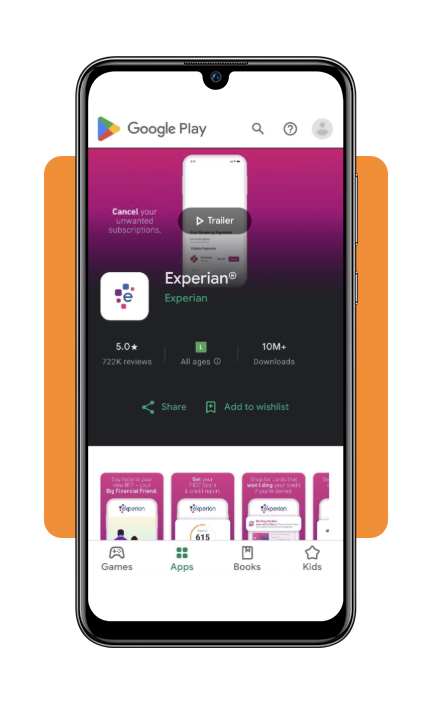
Step 1: download the app and set up your free account
Download the app for iOS or Android. Register your profile and verify your identity to pull your current Experian credit report.
Step 2: audit your credit report line by line
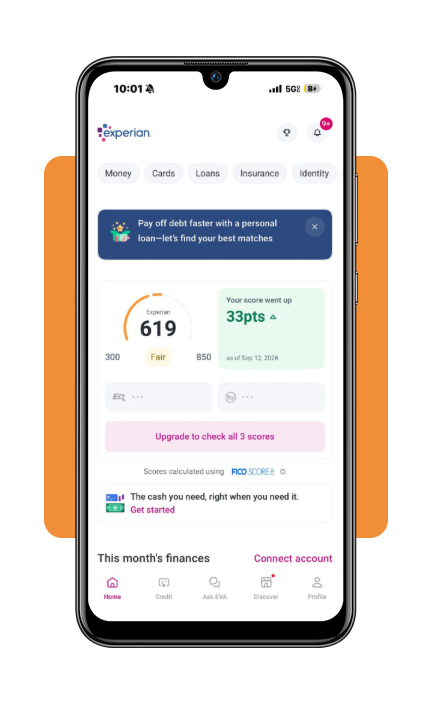
Examine every listed account. Look for incorrect balances, accounts that do not belong to you, late payments marked by mistake, or collection accounts past the 7-year reporting limit.
Step 3: initiate a dispute online
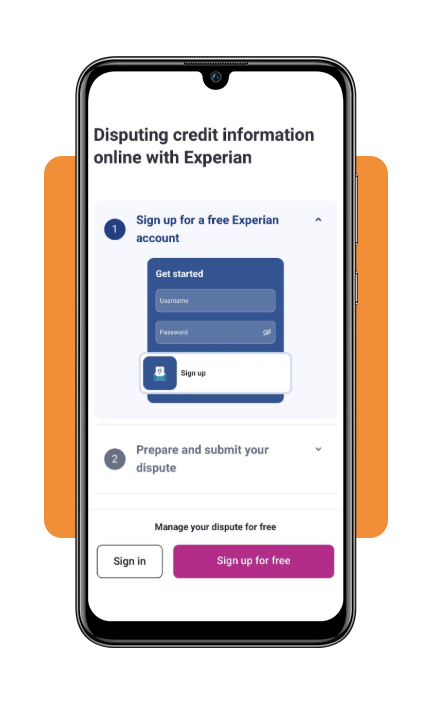
Tap the item you wish to correct, select Dispute, and choose the specific reason (e.g., ‘Account does not belong to me’ or ‘Payment was made on time’). Upload supporting documentation if available.
Under federal law, Experian generally has 30 days to investigate your claim with the reporting creditor. Receive status updates directly inside the app once the investigation concludes.
Top legal credit repair strategies
Repairing your credit legally means correcting inaccurate information and building a consistent record of responsible financial habits.
According to Experian’s credit repair tips, several practical steps can help you improve your credit profile:
Dispute inaccurate negative items
Submit formal disputes for incorrect late payments, duplicate collection accounts, paid debts still showing an outstanding balance, or accounts opened fraudulently through identity theft.
Credit bureaus must investigate eligible disputes and correct or remove information that is inaccurate or cannot be verified.
Request a goodwill adjustment
If an otherwise positive payment history includes an isolated late payment, consider contacting the lender and asking whether it would remove the negative mark as a goodwill gesture.
Approval is at the lender’s discretion, so there is no guarantee.
Contact collection agencies about your debt
If a collection account is valid, you can contact the agency to discuss payment or settlement options.
You may ask whether it is willing to request removal of the account from your credit reports, but a pay-for-delete agreement is not guaranteed, and credit reporting practices vary.
Watch out for credit repair scams
Be cautious of companies that promise to erase accurate negative information, demand payment before providing services in ways prohibited by law, or encourage you to create a new credit identity using a Credit Privacy Number (CPN).
These practices can expose you to financial and legal risks.
To learn more about the federal laws that protect consumer credit files, read our practical guide to understanding your credit rights.
You can also explore automated credit-management tools in Firstcard’s AI Credit Repair Guide.
How to rebuild your credit score
Removing inaccurate negative items is only one part of the equation; actively adding positive payment history is essential for long-term score growth. Here is how to rebuild your credit profile:
- Pay every bill on time: payment history accounts for 35% of your FICO score calculation. Set up automatic payments or calendar reminders for every open line of credit;
- Keep credit utilization below 30%: amounts owed relative to your credit limits account for 30% of your score. Pay down revolving credit card balances to keep utilization as low as possible (ideally under 10%);
- Use credit-building tools: connect non-traditional payment records using tools like Experian Boost to gain credit for utility and phone bills you already pay routinely;
- Open a secured credit card or credit builder loan: if you have a thin or damaged credit history, open a secured card or credit builder loan to demonstrate consistent monthly payments that report to all three major bureaus.
4.8/5
Take charge of your credit journey
Using a reliable credit repair tool can make it easier to monitor your credit file and spot information that may need attention.
Review your reports regularly, dispute inaccuracies when you find them, and build consistent payment habits over time.
Improving your credit doesn’t happen overnight, but taking these practical steps can help you strengthen your financial profile and stay in control of your progress.