

Watching part of your paycheck disappear to cover a debt puts a massive strain on everyday expenses. Fortunately, wage garnishment is heavily regulated.
The law sets strict limits on what creditors can take, ensuring you still have enough to live on.

4.5/5
Which is the best app to manage collection debt and prevent wage garnishment?
Relief (iOS/Android) is our recommendation for people who need to organize collection debt and explore repayment or settlement paths.
However, its main role is financial management, not stopping a garnishment order by itself.
That said, the app focuses on helping users understand what they owe, review debt related information, and look at available resolution options from one place.
That matters most before a debt reaches the point of a lawsuit or active garnishment.
Addressing past due accounts earlier gives you more room to compare repayment plans, settlement options, or professional assistance.
If wage garnishment has already started, Relief (iOS/Android) should be treated as one part of the response.
That’s because court notices, deadlines, exemptions, and state specific rules sometimes require separate legal attention.
That said, this app is really important for debt organization and early intervention.
Relief (iOS/Android) supports the financial side of the problem while legal guidance addresses an active garnishment or summons.
Key features within Relief
Relief (iOS/Android) is built around debt management, giving users a clearer view of collection accounts and possible ways to address them.
The app can centralize debt information so users do not have to track every account separately, creating a clearer picture of which balances need attention first.
It also gives users access to repayment or debt resolution options, depending on the accounts and services available through the platform.
For people dealing with several past due accounts, having the information organized in one place makes it easier to compare balances and priorities
Still, we must mention that Relief (iOS/Android) doesn’t replace an attorney or court response when wage garnishment is already active.
Step-by-step: how to resolve past-due accounts
Resolving a past due account usually starts with confirming what you owe and deciding which option fits your budget before collection activity becomes more serious.
Relief (iOS/Android) can support that process by organizing debt information and showing available resolution paths.
Step 1: add your debt
Download and open Relief (iOS/Android). After that, add the overdue accounts you want to review. The app uses this information to determine which debts are eligible for its services.
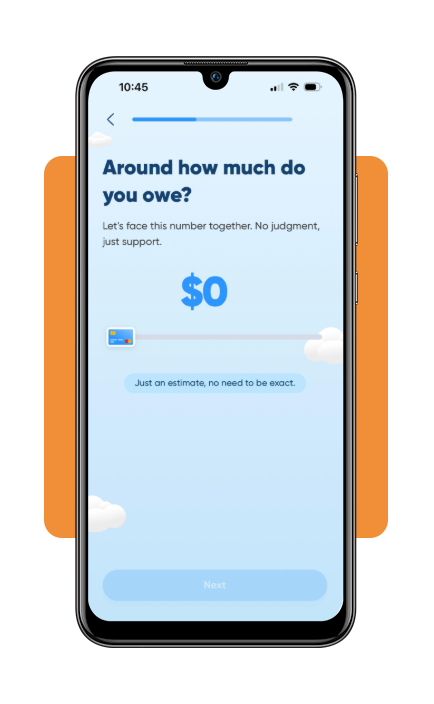
Step 2: provide personal information
After adding how much you owe, provide your name and your phone number.
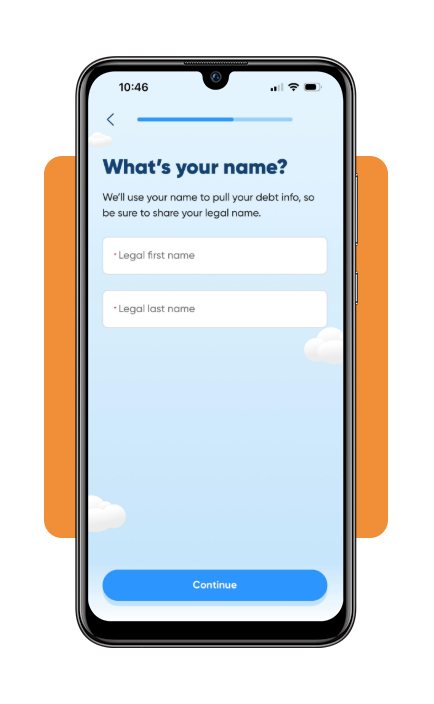
Step 3: review the accounts in your dashboard
After that, once the debts appear, check the creditor, balance, and account status shown inside the app.
Relief’s (iOS/Android) dashboard gives you a place to monitor the accounts and see which ones have available actions or resolution options.
Step 4: review the available debt resolution option
Open the eligible account and check if Relief (iOS/Android) presents a path to request a reduced payoff amount or another resolution option.
Top national debt relief programs
Commonly, National debt relief companies focus on negotiating or restructuring unsecured debt.
They are more relevant when the goal is to reduce collection pressure before a debt reaches that stage.
However, prior to trying these, you can read this Experian article about how to stop wage garnishment. Maybe you find an answer without recurring debt relief programs.
National Debt Relief
National Debt Relief is one of the larger companies in this space and focuses on debt settlement for eligible unsecured debts.
The basic model is to negotiate with creditors in an effort to settle balances for less than the full amount owed.
That type of program usually requires the customer to build funds for settlement over time, so the process is not immediate and fees need to be reviewed carefully before enrolling.
Freedom Debt Relief
Freedom Debt Relief also works with consumers carrying unsecured debt and offers settlement based programs.
Its service is aimed at people who are already struggling to keep up with payments and want an alternative to handling negotiations on their own.
Since settlement can affect credit and does not resolve every type of debt, the terms, fees, and eligibility rules deserve close attention before committing.
Accredited Debt Relief
Accredited Debt Relief provides debt resolution services and works with consumers who need help managing larger unsecured balances.
Its programs can include settlement based strategies, but the exact structure depends on the debt profile and the options available to the customer.
In addition, this CNBC’s debt relief company comparison reviews several national providers and explains the main differences in fees and program structure.
How to respond to legal debt summons
A debt summons means a creditor or collector has taken the dispute into court, so ignoring the paperwork can make the situation worse.
The response deadline and required format depend on the court handling the case.
So start by reading the summons carefully and identifying who filed the case, the amount claimed, and the deadline for responding.
Then, compare those details with your own records before accepting that the debt is accurate.
Your formal response, called an Answer, gives you a chance to admit, deny, or challenge the claims made in the complaint.
However, missing the deadline can lead to a default judgment, which may open the door to stronger collection measures.
Consequently, review the debt itself before responding, including the creditor name, balance, payment history, and any documents attached to the lawsuit.
Errors in ownership, amount, or documentation, for example, should be raised through the proper court process.
This Ginsburg Law Group’s guide to answering a debt collection summons explains the main steps involved in preparing a response and protecting your rights.
If the case is already moving toward judgment or wage garnishment, legal advice becomes more important.
An attorney or local legal aid service can check deadlines, defenses, exemptions, and procedures that apply in your state.
In case a creditor is taking money from your paycheck, it is also worth separating that issue from wages your employer failed to pay.
Insiderbits has this unpaid wages guide that covers what to do when the missing money comes from the employer.
4.5/5
Act before the debt reaches your paycheck
Wage garnishment usually becomes harder to manage once a court order or formal collection action is already in place.
Relief (iOS/Android) fits best on the debt management side, helping you organize balances and look at possible resolution paths, but it doesn’t replace the court process when a wage garnishment is involved.
If legal papers arrive, deadlines matter, so reviewing the debt and getting qualified legal guidance can protect you from losing options through inaction.
The best strategy is to separate the financial problem from the legal one, then deal with both. That means managing the debt itself while respecting any court deadlines or rights that apply to your case.
Enjoyed this article? Save Insiderbits to your favorites and discover the most useful tech tips.