

Accessing nutritious donated food in your local community has become faster and more dignified, thanks to mapping platforms and expanded non-profit relief networks.
By connecting local pantries with surplus donated food, these non-profit networks ensure that high-quality groceries reach households before going to waste. Read on Insiderbits.

3.5/5
Which is the best app to find donated food in your city?
Across the United States, thousands of hunger-relief organizations work around the clock to rescue surplus produce, dairy, and pantry staples from grocery chains and agricultural producers.
When unexpected financial hurdles arise, locating nearby hubs that supply donated food can instantly ease household budget stress.
Taking advantage of these resources does not require complex paperwork or weeks of waiting—in most cases, you can locate a nearby drive-through distribution or walk-in pantry and receive groceries on the very same day.
FoodFinder (iOS | Android) is widely recognized for pinpointing nearby food pantries, soup kitchens, and emergency meal sites across all 50 states.
Created to eliminate hunger-relief barriers, the app displays active distribution locations in real time on an interactive visual map, ensuring that help is always accessible regardless of your geographic location.
Key features within the FoodFinder app
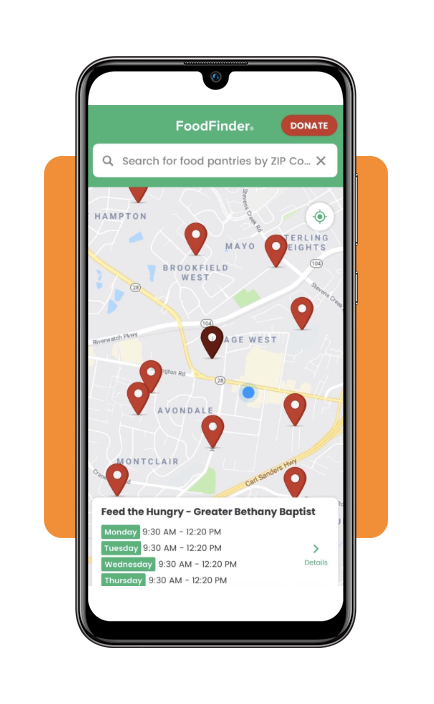
- Geographic mapping: the app detects your current GPS position or lets you enter any US ZIP code, dropping map pins over active food distribution sites in your neighborhood;
- Verified operating hours and schedules: view precise days and hours of operation for every listed pantry, preventing wasted trips to facilities that may be closed;
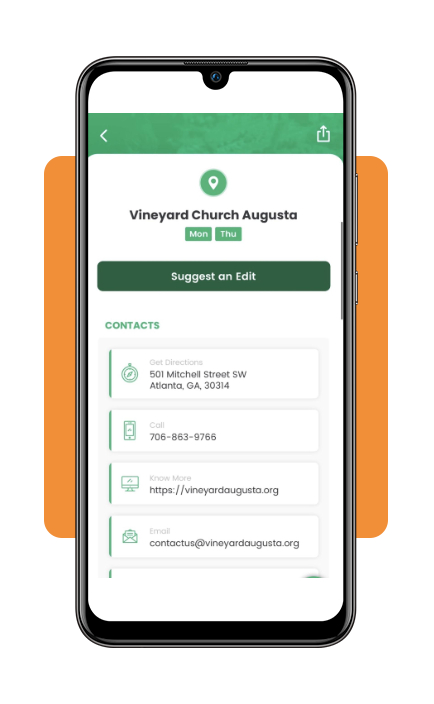
- Contact details: tap any location pin to see phone numbers, physical street addresses, primary email contacts, and official website links;
- Turn-by-Turn Navigation and One-Tap Calling: integrated buttons allow you to launch turn-by-turn driving directions in Google Maps or call the distribution site manager directly from the app interface;
- Inventory and service information: inspect specific program guidelines, such as verifying what types of donated food (fresh produce vs. shelf-stable box packages) are distributed at each location;
- Zero account requirement: FoodFinder requires no registration, password setup, or personal financial disclosure, allowing users to search for emergency aid with complete anonymity.
If you are exploring broader financial safety nets alongside local pantries—like state EBT tracking, healthcare assistance, or utility relief—using a social benefits app can help you manage your support programs from your smartphone.
Step-by-step: how to locate food distributions and enroll for food assistance
Finding and collecting donated food through community channels is meant to be as low-friction as possible. Check for yourself, with the following steps:
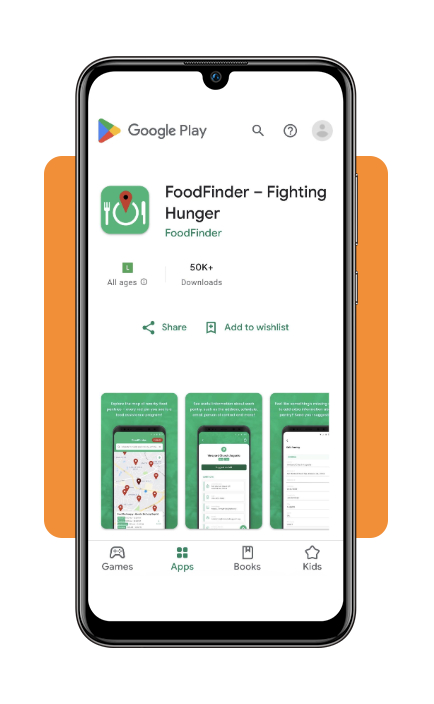
Step 1: download FoodFinder
Install the FoodFinder app on your iOS and Android device. Enable location permissions on your device so the platform can map assistance sites relative to your current location.
Step 2: search your ZIP code or city
If automatic location services are disabled, manually enter your home ZIP code or city name into the search bar. The map will populate with color-coded pins representing nearby food banks and community centers.
Step 3: verify requirements and schedule
Tap on individual location pins to review specific distribution rules. Confirming that the pantry receives fresh donated food shipments on specific days helps you plan your visit when inventory selection is highest.
Step 4: visit the location and complete basic intake
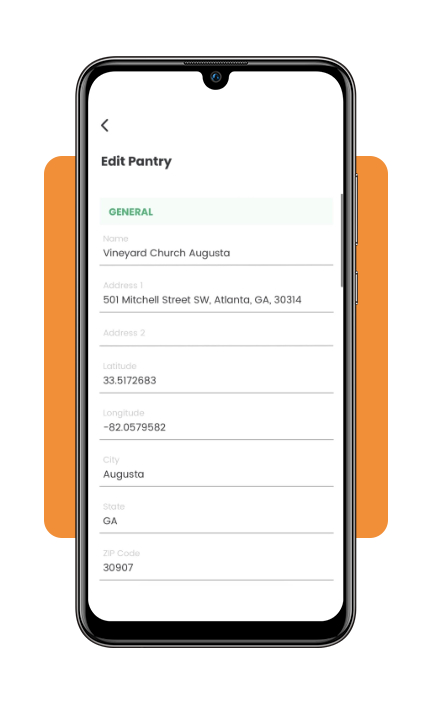
Arrive during designated operating hours. Most pantries operate simple, confidential intake processes—such as showing a photo ID or proof of local address—and provide food boxes directly to your vehicle or in bags for you to carry.
Who can register to receive free food?
A common misconception is that receiving emergency food assistance requires passing rigorous financial audits or proving total unemployment.
In reality, hunger-relief organizations strive to maintain low-barrier access, guaranteeing that eligible households receive high-quality donated food when they need it most.
While exact intake policies vary slightly depending on whether a pantry receives federal food grants or relies entirely on private charitable donations, the vast majority of community sites serve the following groups:
- Low-income families and hourly workers: households living at or near federal poverty thresholds qualify for regular pantry visits. Many working families utilize pantries to offset rising grocery prices and inflation costs;
- Public assistance beneficiaries: if your household currently receives SNAP (Food Stamps), WIC, Supplemental Security Income (SSI), or Medicaid, you automatically qualify for supplemental food distributions at almost all non-profit sites;
- Seniors and fixed-income retirees: older adults frequently face fixed monthly budgets. Programs like the Commodity Supplemental Food Program (CSFP) provide monthly food packages specifically tailored to senior nutritional needs;
- Individuals facing sudden emergency crises: whether you are dealing with unexpected medical bills, natural disaster displacement, or sudden employment loss, emergency food pantries operate under open-door policies where no one is turned away when requesting emergency donated food.
To learn more about federal hunger relief standards, eligibility guidelines, and community safety nets, explore resources provided by Feeding America hunger relief programs.
Top national food banks in the US
Local neighborhood pantries and church centers rely heavily on massive regional supply chains to keep their shelves stocked.
National food bank networks collect agricultural surpluses, corporate food industry donations, and federal commodity allocations before delivering them to local community centers.
Feeding America
As the nation’s largest domestic hunger-relief charity, Feeding America operates a vast logistics network connecting more than 200 regional food banks and 60,000 local pantries across all 50 states.
By distributing billions of pounds of donated food annually, Feeding America serves as the primary backbone for local hunger relief in almost every American county.
Midwest Food Bank
Operating as an independent national distributor with regional hubs across multiple states, Midwest Food Bank specializes in large-scale food rescue operations.
By rescuing surplus agricultural harvests and manufacturing overruns, they process and ship bulk donated food packages directly to thousands of non-profit partner agencies at zero cost.
Feed the Children
Feed the Children focuses on long-term child wellness and emergency disaster response, providing food packages, hygienic supplies, and educational materials to vulnerable families.
Their distribution network coordinates corporate supply donations to ensure children have consistent access to healthy meals outside of school hours.
Metropolitan Regional Anchor Hubs
In addition to national logistics networks, massive metropolitan food banks supply urban and suburban pantry networks.
Regional anchors—like Houston Food Bank, Food Bank for New York City, Greater Chicago Food Depository, and St. Mary’s Food Bank in Arizona—distribute millions of pounds of fresh groceries to local neighborhood hubs every year.
3.5/5
Accessing community food assistance
Securing donated food in your neighborhood provides essential support that protects your household budget during challenging financial times.
Take advantage of available community resources today to protect your health, stretch your family budget, and ensure consistent food security for your home.