

Finding an affordable health insurance plan can be difficult when premiums, deductibles, and coverage vary. HealthCare.gov helps you compare Marketplace options.
In this Insiderbits guide, we’ll show you how to compare plans, check subsidies, and find coverage that fits your needs and budget.
Where can you compare health insurance plan prices in the US?
The official Health Insurance Marketplace at HealthCare.gov lets consumers preview available plans and estimated prices based on information such as ZIP code, household size, and income.
You can also compare plans side by side before choosing coverage.
The Marketplace groups plans into four metal categories: Bronze, Silver, Gold, and Platinum.
These categories describe how you and the insurer generally share covered health care costs, rather than the quality of medical care.
When comparing a health insurance plan, don’t look only at the monthly premium. Consider the deductible, copayments, coinsurance, out-of-pocket maximum, provider network, and prescription drug coverage.
HealthCare.gov also lets you check whether your preferred doctors, hospitals, and medications are covered by plans you’re considering.
The Marketplace can also determine whether you qualify for a premium tax credit. The amount depends on factors including your household size and estimated income.
Importantly, additional pandemic-era savings ended on December 31, 2025. For 2026 coverage, eligible consumers may still qualify for premium tax credits, but the amount of savings can differ from previous years.
For another resource on getting ACA coverage, you can also explore this Insiderbits guide to getting ACA health insurance.
Step-by-step: how to compare health insurance plans and check subsidy
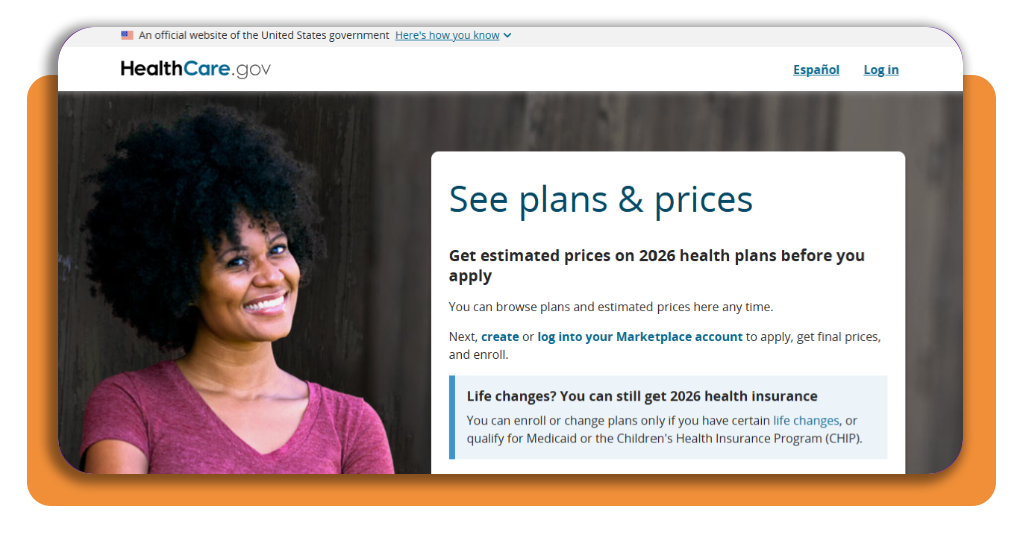
HealthCare.gov provides an online tool for previewing plans and prices. You can use it to see options available in your area before making an enrollment decision.
Step 1: visit HealthCare.gov
Go to the official HealthCare.gov plan comparison tool to start comparing available coverage.
The tool is available through the website, so you can use it from a computer or mobile browser.
Step 2: enter your ZIP code
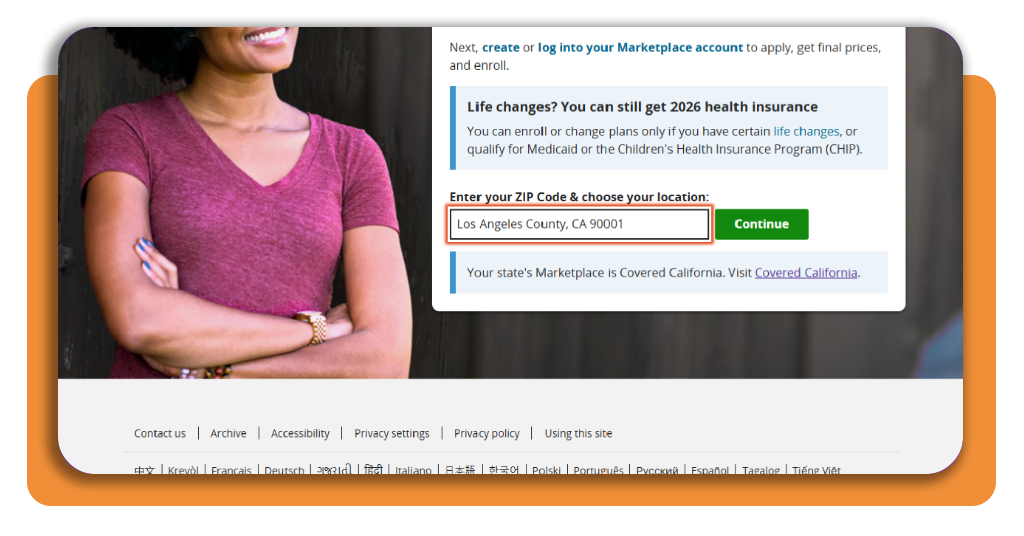
Enter your ZIP code when prompted.
Your location matters because the insurers and plans available through the Marketplace can vary by area.

Step 3: compare available plans
Review the plans available in your area and compare their premiums, deductibles, out-of-pocket costs, and coverage.
Don’t automatically choose the plan with the lowest monthly premium. A plan with a higher premium could have lower out-of-pocket costs when you receive medical care.
Step 4: check the provider network
Look for your preferred doctors, hospitals, and other medical providers.

Step 5: choose and enroll
Once you’ve compared your options, select the health insurance plan that fits your coverage needs and budget.

Top national health insurance carriers
Health insurance availability varies considerably by state, so a company operating nationally may not offer the same Marketplace plans everywhere.
UnitedHealthcare operates across a large portion of the United States and offers individual health coverage in selected states.
Its broader insurance business also includes employer, Medicare, Medicaid, dental, and other coverage types.
Aetna is another major U.S. health insurance carrier. Its offerings can include individual, employer-sponsored, Medicare, and other types of health coverage, depending on the market.
Cigna Healthcare provides health insurance and related services, including coverage for employers and Medicare beneficiaries. Its availability and plan offerings depend on the type of coverage and location.
Blue Cross Blue Shield is a network of independently operated health insurance companies rather than a single national insurer. Coverage and Marketplace offerings therefore vary by state.
Kaiser Permanente combines health insurance with its own network of medical providers and facilities. Its individual Marketplace availability is concentrated in specific states rather than nationwide.
Forbes Advisor’s current materials also note that Kaiser has a more limited geographic footprint than some national competitors.
When comparing carriers, focus on the plans actually available in your ZIP code. Network size, premiums, deductibles, covered medications, and out-of-pocket costs can differ significantly between states and individual plans.
You can learn more about national carriers and their coverage options through this Forbes Advisor guide to health insurance companies.
Best supplemental health insurance plans
Supplemental health insurance can help cover costs that aren’t fully paid by Medicare or another primary policy.
For Medicare beneficiaries, Medigap policies can help with expenses such as copayments, coinsurance, and deductibles.
When choosing a health insurance plan, make sure you understand whether supplemental coverage is necessary for your situation.
State Farm offers several Medigap plan types, including Plans G and N. Its availability and premiums vary by location.
AARP/UnitedHealthcare offers Medicare Supplement Insurance through UnitedHealthcare. Its plans include several standardized Medigap options, with availability depending on the state.
HealthSpring, formerly Cigna, offers Medigap policies in selected markets. Its available plan types and premiums vary depending on location.
Mutual of Omaha offers Medicare Supplement Insurance, including plans such as G and N. The company also offers premium discounts on some policies, depending on eligibility and location.
Because Medigap benefits are standardized by plan letter, the differences between insurers can include premiums, discounts, availability, complaint rates, and pricing changes over time.
Your location and eligibility can therefore have a significant effect on the options available.
For a broader comparison, check this NerdWallet guide to the best Medicare Supplement Insurance companies. Its 2026 analysis compares insurers using factors such as cost, member satisfaction, plan availability, discounts, and complaints.
Compare your options before choosing coverage
Finding a cheaper health insurance plan isn’t simply about finding the lowest advertised premium.
Your household income, location, provider network, prescriptions, deductible, and expected medical needs can all affect the real cost of coverage.
Start with HealthCare.gov and enter your information to see the plans and estimated savings available to you. Then compare the total costs and benefits before enrolling.
If you qualify for financial assistance, the premium tax credit can reduce your monthly cost. You may also qualify for additional cost-sharing reductions depending on your circumstances and the plan category you select.
Taking a few extra minutes to compare the details can help you understand what you’re actually paying for and avoid choosing a plan based on its premium alone.