

Occupational accident insurance can help independent contractors cover medical expenses, disability benefits, and accidental death or dismemberment costs after a work-related injury.
Without this protection, they may have to pay for emergency care, transportation, and lost income out of pocket. Read this and more on Insiderbits.

4.8/5
Which is the best app to manage occupational accident insurance?
The gig economy gives rideshare drivers, delivery couriers, and other independent contractors more control over their schedules.
But it also means they may not have access to traditional employer-sponsored benefits, including workers’ compensation.
If an occupational accident occurs, having the right insurance and understanding your coverage can make a significant difference.
Stride (iOS | Android) helps gig workers manage business mileage, track tax-deductible expenses, and explore health insurance and other benefit options.
Depending on availability and eligibility, its platform may connect independent workers with health, dental, vision, and accident coverage, helping them manage essential expenses in one place.
Designed for workers using platforms such as DoorDash, Uber, Instacart, and TaskRabbit, the app offers tools to organize work-related finances and explore coverage options.
Key features within Stride
Stride (iOS | Android) offers tools to help gig workers manage expenses, track mileage, and prepare for tax season.
Its features may include access to portable benefits, including occupational accident coverage, depending on availability and eligibility:
- Benefits marketplace: explore insurance options such as accident, health, dental, and vision coverage. Review each plan’s terms, costs, and eligibility before enrolling;
- Mileage tracking: record business miles driven for eligible gig work. Accurate mileage logs can help support tax deductions, subject to IRS rules;
- Expense tracking: organize business expenses, such as eligible equipment and phone costs, and keep receipts to support your tax records;
- Tax estimates: use tracked income and expenses to estimate potential tax obligations and set money aside throughout the year.
Step-by-step: how to track work expenses
Tracking work-related expenses can help gig workers understand their costs, manage cash flow, and budget for occupational accident protection.
Depending on your location and employment status, you may also qualify for tax deductions on eligible business expenses, although the rules vary by tax jurisdiction.
Keeping accurate records can make tax preparation easier and help you assess how much you can set aside for accident coverage.
Step 1: download the app and enable location services
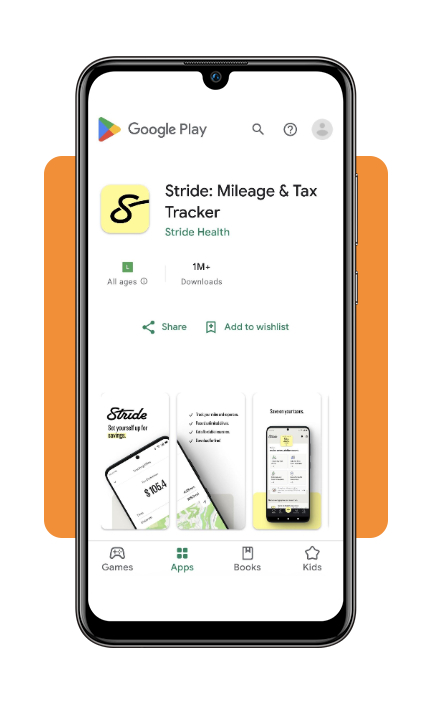
Download the app on your iOS or Android, create your profile, and enable location access to allow automatic background GPS mileage logging whenever you start working.
Step 2: log business mileage automatically
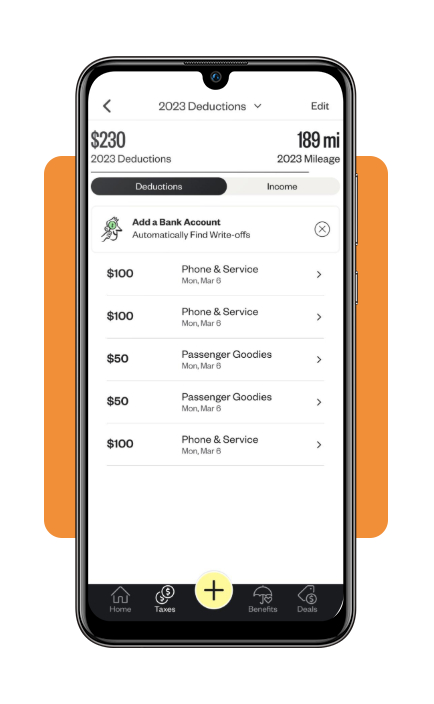
Launch the app’s mileage tracker at the start of your work shift. It calculates deductible mileage rates automatically while you complete deliveries or passenger trips.
Step 3: record out-of-pocket business costs
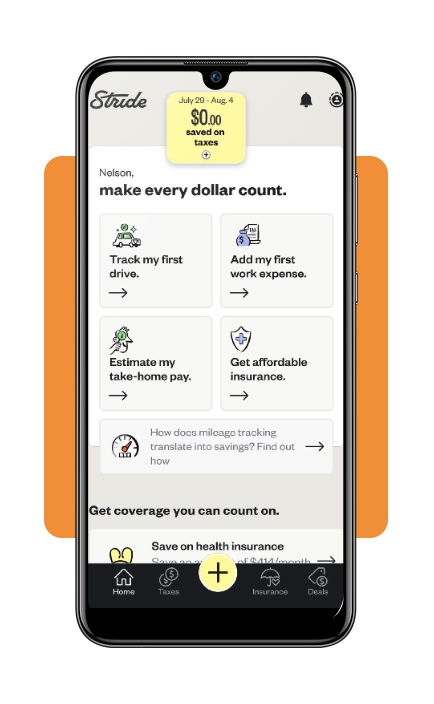
Log everyday work expenses—such as insulated delivery bags, phone mounts, device chargers, parking fees, and a portion of your monthly cell phone bill—directly into the app.
Step 4: generate tax reports and apply savings to benefits
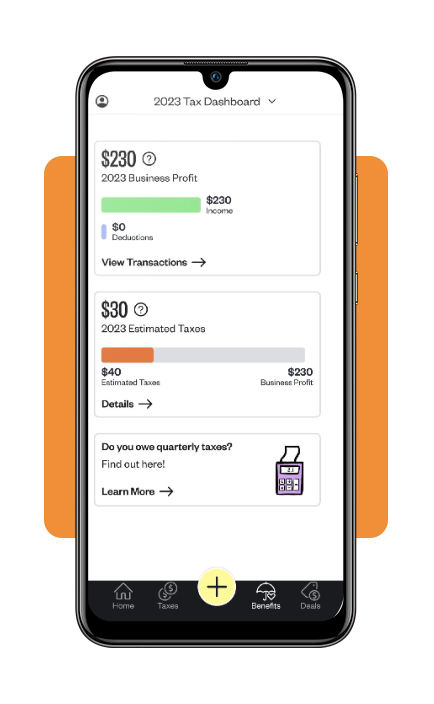
Export quarterly or annual expense summaries. Use the tax savings generated by these deductions to fund voluntary occupational accident and income protection plans.
Top national insurance carriers for independent contractors
When choosing coverage for an occupational accident, it’s important to understand what a policy includes and who it protects.
Occupational accident insurance can help cover eligible medical expenses and provide disability or death benefits after a work-related injury, depending on the policy’s terms.
Aflac
A pioneer in voluntary supplemental insurance.
Aflac offers accident policies that pay cash benefits directly to policyholders following covered work injuries, helping pay for out-of-pocket medical expenses and daily living costs.
To learn how occupational policies structure coverage limits, review the Aflac occupational accident insurance guide.
Chubb & Zurich North America
Chubb and Zurich North America are major commercial insurers that partner with gig economy platforms (such as Uber, Lyft, and DoorDash).
They provide blanket or opt-in occupational accident insurance for active drivers and couriers on their networks.
Combined Insurance & Mutual of Omaha
Combined Insurance and Mutual of Omaha provide standalone disability and accident insurance plans designed for self-employed individuals, sole proprietors, and freelancers seeking individual income protection.
If you’re an independent contractor who has experienced an occupational accident, the support available to you may depend on your state, work arrangement, and insurance coverage.
Unlike traditional employees, independent contractors may not be covered by workers’ compensation, so it’s important to check local rules and any benefits you may qualify for.
Our worker benefits finder can help you explore regional assistance programs and resources.
You can also check with your state labor agency or insurer to learn more about eligibility, medical coverage, and potential income support after a work-related injury.
Best options for filing injury claims during work
If you suffer an injury while actively working on a gig shift or contract project, following clear protocol ensures your claim is processed quickly:
- Document the event immediately: take photos of the injury location, damaged equipment, road conditions, or involved vehicles. Note the exact date, time, and active shift status inside your gig app;
- Seek emergency medical attention: prioritize your health by visiting an urgent care clinic or emergency room immediately. Inform treating medical personnel that the injury occurred while working;
- Notify your gig platform or insurer: submit a formal incident report through your gig app’s safety portal or contact your individual insurance carrier within 24 to 48 hours to initiate a claim file;
- Maintain detailed medical and expense records: save all medical invoices, pharmacy receipts, doctor discharge summaries, and records of missed work shifts to substantiate lost wage and medical reimbursement claims.
4.8/5
Long-term financial security
Without workers’ compensation coverage, gig workers may have limited financial protection if they’re injured on the job.
Occupational accident insurance can help cover eligible expenses and lost income, turning on the policy, but it is not the same as workers’ compensation, and coverage requirements vary by state and work arrangement.
Independent contractors can also use tools like Stride (iOS | Android) to track business mileage and expenses, making it easier to organize tax records and identify potentially deductible costs.
Reviewing insurance options, keeping accurate records, and understanding how to report an injury can help gig workers better protect their health and income.