

Learning about unemployment benefits is an important first step when you lose a job, so we’ll cover how the process can vary depending on where you worked.
Read this guide to understand how the process works, where applications are actually filed, what information you may need, and what can affect payment timing.

5/5
What unemployment benefits app is and what it covers
After a layoff, it is easy to assume that some benefits apps can handle the entire unemployment process in one place, but it is not just about the apps or platforms.
In reality, unemployment insurance in the United States is administered by individual states.
Because of that, the official application and claim management still happen through the appropriate state unemployment agency.
Still, if you need a complementary financial-support app, Propel (iOS/Android) is an app designed for people who use government benefits.
Through this app, users can check EBT and WIC balances, receive benefit updates, find savings offers, and search for local jobs or gig opportunities.
Propel (iOS/Android) may be useful after a job loss because it brings together information about certain assistance programs and employment opportunities.
However, it doesn’t replace the state unemployment insurance website or agency where a claim must be filed.
Still, a sudden loss of income creates expenses that unemployment insurance alone does not cover.
In that situation, exploring financial assistance tools can lead you to other resources that can help while you wait for a claim decision or look for new work.
Unemployment benefits app eligibility & how it works
If you don’t know, eligibility for public assistance involves different rules depending on the program.
Propel (iOS/Android) helps people organize supported benefits and access related information after they are already connected to those programs.
With that, the app connects, with the user’s permission, to supported state benefit systems and displays balances, transaction history, deposit updates, and benefit-related notices in its interface.
It also currently supports benefits including SNAP, WIC, and TANF cash assistance, while also providing job listings and other financial resources.
For unemployment benefits, however, eligibility is determined by the unemployment insurance program in the state where the worker was employed.
Different factors matter, so previous earnings, the reason for unemployment, and state-specific requirements affect whether a claim is approved.
Step-by-step: how to apply for unemployment benefits app online
The online unemployment claim doesn’t begin inside Propel (iOS/Android) or another general benefits app.
Each state operates its own unemployment insurance system, so the first step is finding the official agency for the state where you worked.
Check how to do it:
Step 1: access the official page
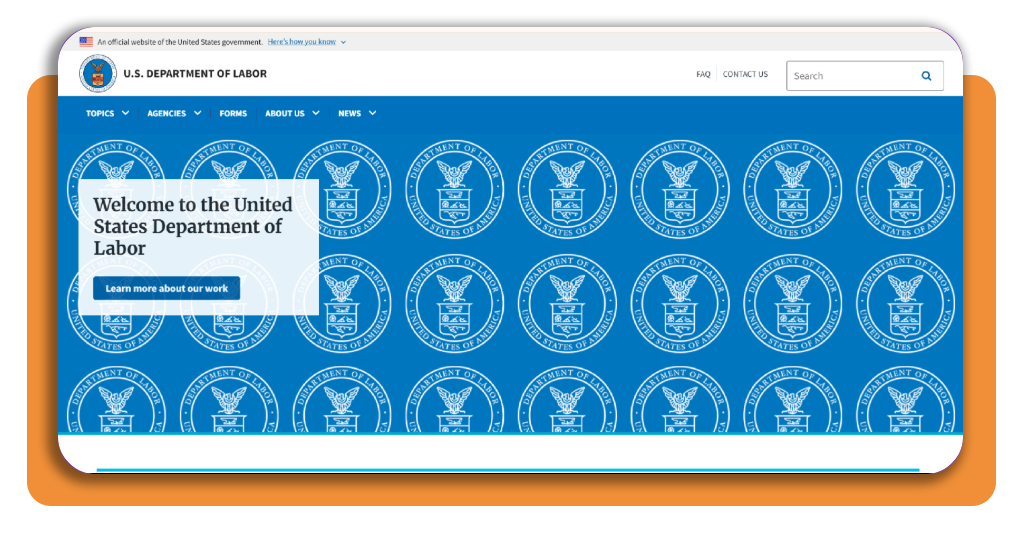
To begin with, use the Department of Labor’s state directory to locate your state unemployment benefits agency and select the option to apply for benefits.
Step 2: find your state unemployment office
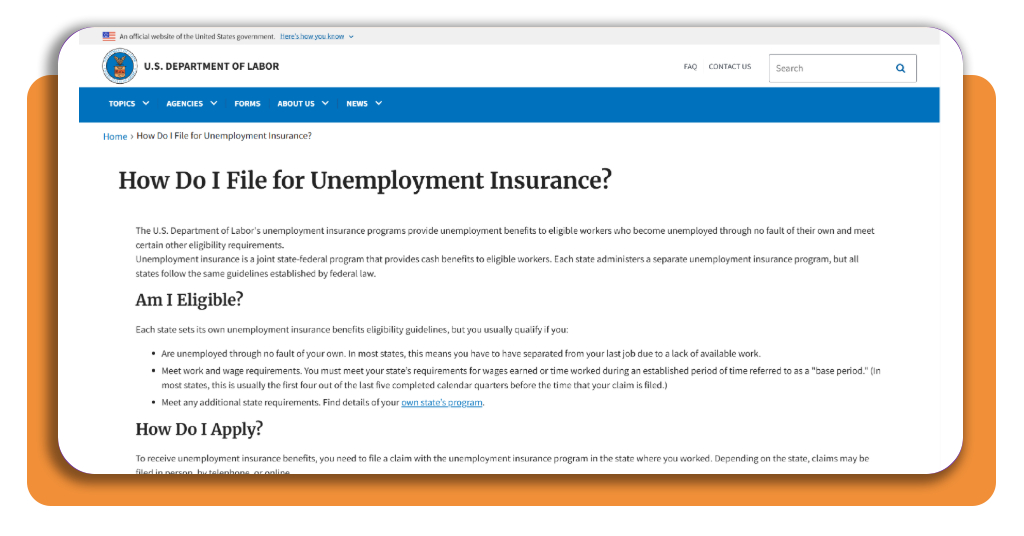
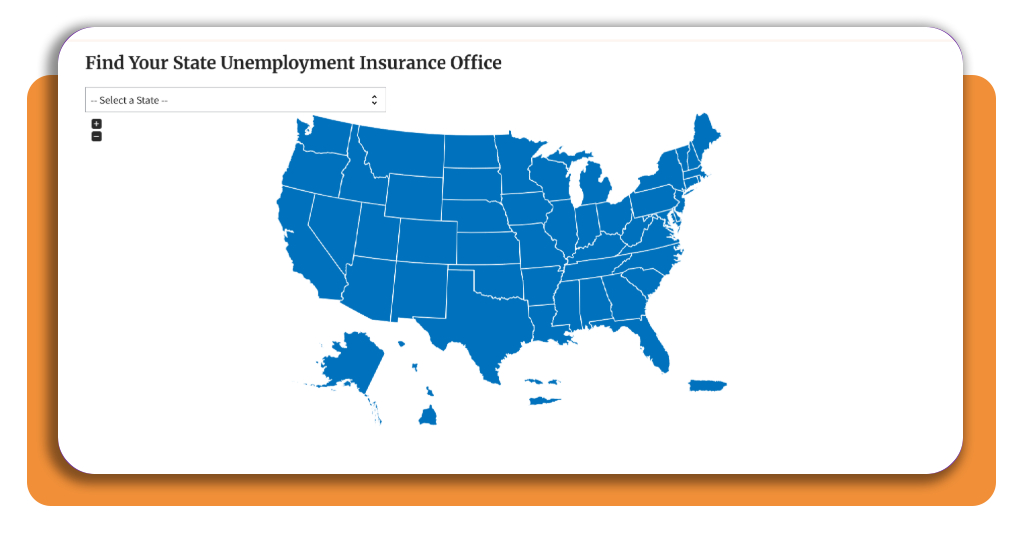
On this page, you will see information about eligibility, how to apply, and a map where you can click to check your state unemployment insurance office.
Step 3: access your state’s official page
After selecting your state, you will be directed to the specific state’s page. Now, the state needs information about both you and your previous employment.
Complete the requested fields with your personal information and employment history, including former employer details and dates of employment.
Step 4: review and submit the claim
Before submission, the state gives you an opportunity to confirm the information entered throughout the application.
Review the information, submit it, and save the confirmation number or confirmation page for your records. The Department of Labor notes that complete and accurate information prevents delays.
Benefit amount, payment schedule, and timelines
After the initial claim is filed, the main concern is how much assistance will be available and when payments may begin.
These details vary across the U.S. because each state administers its own unemployment insurance program and sets its own benefit limits and procedures.
Generally, weekly unemployment benefits are calculated from the worker’s previous earnings during a defined base period.
With that, each state establishes minimum and maximum benefit amounts, as well as how long regular benefits can be paid.
In many states, regular unemployment benefits may be available for up to 26 weeks, although the actual duration can be shorter depending on the state and the claimant’s situation.
Additionally, some states require weekly certifications, while others use a biweekly schedule.
The first payment may take additional time while the agency reviews wage records, employment separation details, identity verification, and other information connected to the claim.
For this reason, state calculators are useful mainly for estimating what a claimant could receive.
Ultimately, the official unemployment agency determines the final weekly amount, payment schedule, benefit duration, and all other information for the individual claim.
Common mistakes to avoid when applying
It is common for unemployment applications to ask for details that seem straightforward, but even any inconsistencies can slow down a claim.
The first common mistake is entering incorrect employment dates, employer information, or the reason the job ended, so be careful when providing this information.
Another problem is waiting too long to file.
The U.S. Department of Labor advises workers to contact their state unemployment insurance program as soon as possible after becoming unemployed.
Claimants should also avoid missing required weekly or biweekly certifications.
Receiving approval for unemployment benefits doesn’t mean payments continue automatically.
Some states require regular confirmation that the claimant remains unemployed, available for work, and otherwise eligible.
Finally, don’t rely only on emails or third-party websites that claim to represent a state unemployment agency.
Always use the official state portal, keep confirmation numbers and submitted records, and respond promptly if the agency requests additional information.
5/5
What to keep in mind after filing for unemployment benefits
Applying for unemployment benefits gets you temporary financial support after a layoff, but the process varies by state.
Eligibility rules, weekly payment amounts, filing deadlines, and certification requirements can all affect how quickly a claim moves forward.
So using the official state system and providing accurate employment information avoids delays, while Propel can be useful for managing other benefits or finding resources.
Remember to keep track of deadlines and required certifications to make the process easier to manage while you focus on your next source of income.
Enjoyed this article? Save Insiderbits to your favorites and discover the most useful tech tips.