
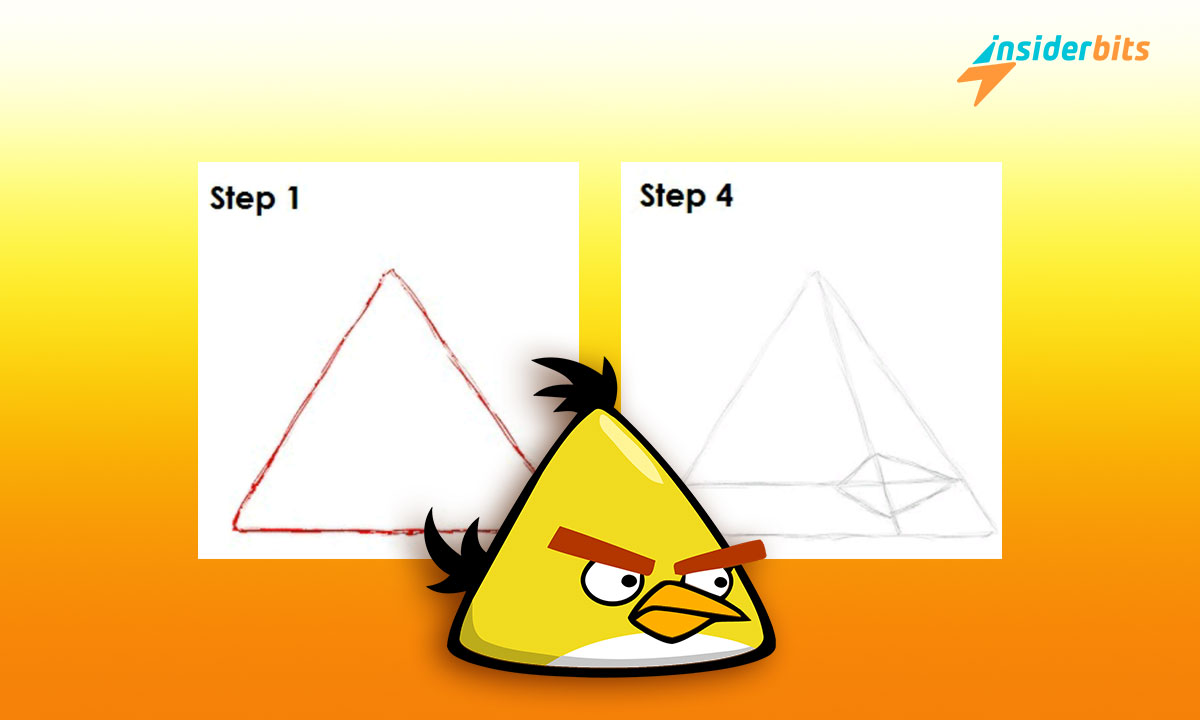
Did you know that to draw characters and stand out is not as simple as many people think? This skill requires discipline to get used to continuous improvement to shine.
Learn to draw characters with today’s mobile technology
Today, from Insiderbits, we suggest using mobile technology to improve your drawing skills. In its constant evolution, this technology offers applications that will surprise you with its excellent support for developing drawing skills. Are you interested, right? Then, join us to discover everything about one of those applications you will love.
How to Draw Peppa Pig, the app that will revolutionize your skills
As we said, the application we will refer to today to draw characters is How to Draw Peppa Pig. A perfect mobile development for children and beginners that stands out in its category for having:
Step-by-step lessons. Detailed instructions to draw characters from the series.
- Main designs. Includes practical designs for the main characters (Peppa Pig, Mummy Pig, Daddy Pig, and more).
- User-friendly interface. Simple and understandable control, suitable for users of all ages.
- Drawing tools. Provides comprehensive drawing options.
- Effective educational features. It helps improve drawing skills in a fun and relaxing way.
- Education and entertainment. Combines educational elements for a complete experience.
The How to Draw Peppa Pig app is in the Google Play Store with the following information:
- App version 3
- Last updated on August 22, 2023
- Android 7.0 or later versions for operation
- Offered by Easy Game For All
- Over 50 thousand downloads
In short, both children and adults are sure to develop their character-drawing skills with this app.

4.9/5
A brief tutorial on the application
Learning to draw characters with this app is easy. Although its overall design is intuitive, below we will provide you with a brief tutorial for the effective use of the application:
- Initial preparations. Take a sheet of paper and prepare yourself with a pencil and eraser.
- Choose a character. Open the app and browse the available characters to choose the character you want to draw.
- Start the lesson. Select the option to start the lesson and generate the step-by-step instructions you must follow.
- Progress step by step. Complete each step indicated and make any corrections necessary to fully complete them.
- Finish the drawing. Once you have followed all the steps, you will have finished drawing the character, to which you can add details and colors if you wish.
It’s that easy to use! This app allows you to learn how to draw animated characters and improve your skills. Have fun, and let your creativity shine!
Draw, have fun, and create! The benefits of learning to draw
Whatever the desired result, learning to draw characters provides several significant benefits to the person who practices it.
- There are emotional and psychological benefits. It relaxes, reduces stress, and increases self-esteem while expressing creativity to the fullest.
- Cognitive benefits. It improves concentration, develops problem-solving skills, and strengthens hand-eye coordination.
- Social benefits. Drawing is an excellent way to express yourself and make new friends.
Discover the many benefits of drawing! Learning with this application will not only allow you to develop the skill, but it also helps you grow as a whole person.
Ideal characters to help you develop as a cartoonist
Choosing the correct characters can make a big difference in progress and motivation when drawing. Some options that are usually easier to draw characters are:
- Geometric shapes. You typically start a drawing with these basic designs and then proceed to add definitions and details.
- Animals. These usually have basic shapes and distinctive features that are easy to capture.
- Cartoons. These are characterized by simplified and expressive designs and favorable characteristics when drawing.
- Chibi characters. These are caricatured and deformed versions of characters with big heads and small bodies, which makes them fun and easy to develop.
Ultimately, the most important thing is to have fun and enjoy the learning process. Don’t compare yourself to others, and celebrate the progress you make. With patience and practice, everyone can become an excellent drawer!
Discover how mobile technology helps you draw characters!
Without a doubt, we invite you to use mobile tools to draw characters. Take advantage of the developments available for these devices and discover the facilities they can provide you.
Remember that at Insiderbits, we always bring you quality information and suggestions to modernize your life. Develop your drawing skills now with the support of today’s mobile technology.