

Taxes come out of every paycheck you earn in the US, and part of that money funds unclaimed immigrant benefits that may be open to you, easing what you spend on food or medical care.
This Insiderbits guide teaches you to use Benefit Finder and spot federal programs worth applying for. Keep reading and win back a share of what your hard work puts into the system.
Tool to check unclaimed immigrant benefits in the US
Benefit Finder is a search tool on USAGov that pulls federal aid from many agencies into one list, covering support for food and health care along with housing and job loss.
The tool sorts more than sixty options after you pick the parts of life where you could use a hand, then surfaces unclaimed immigrant benefits that line up with those needs.
Having those program names on hand before you call a local office lets you ask about specific help and keeps a caseworker from guessing what fits your household.
Key features of the tool
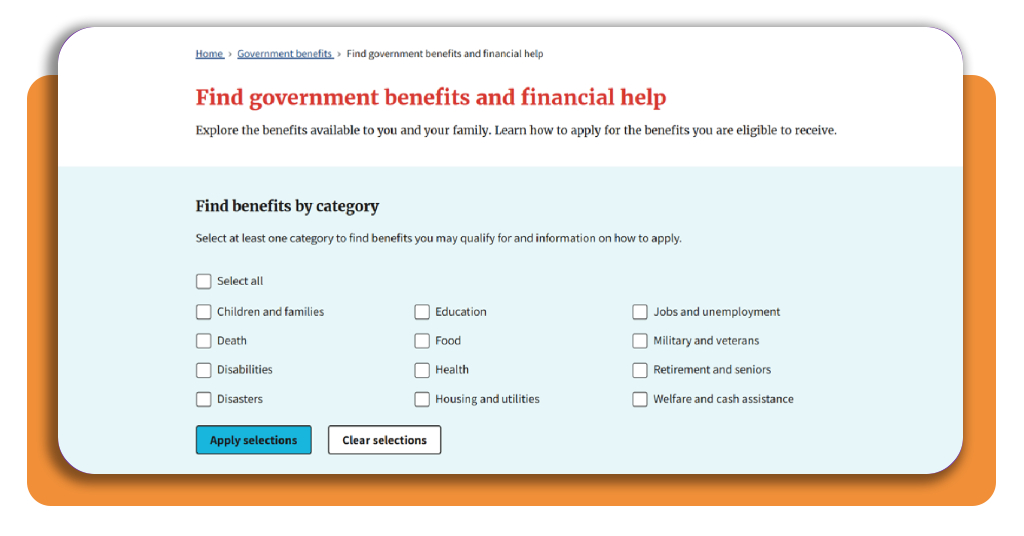
- Twelve life categories: pick from areas like “Food” or “Housing and utilities” to tell the tool which parts of your budget are under the heaviest pressure;
- Select all boxes: tick one checkbox to bring every category into view when you’d like a broad look at federal aid before you narrow your search;
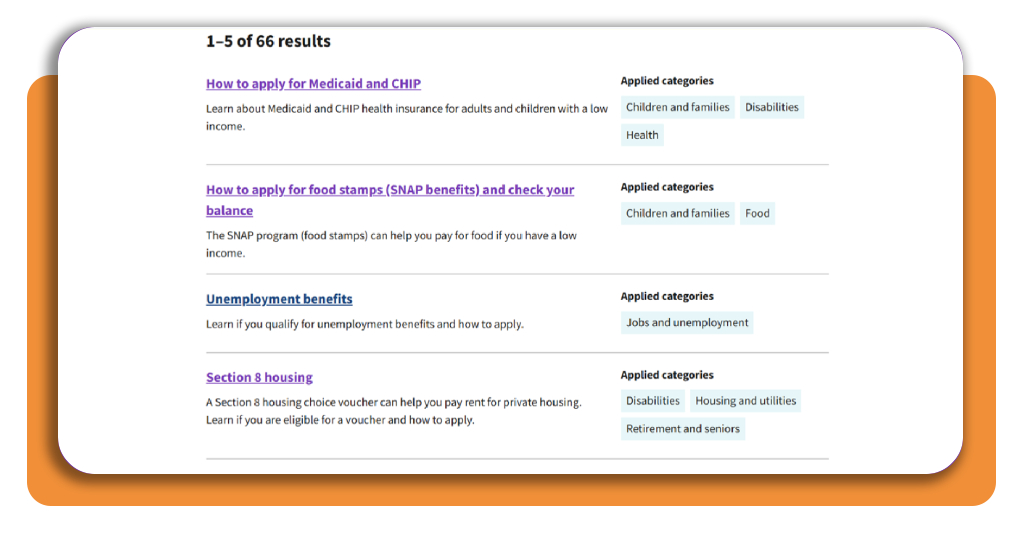
- Category tags on listings: labels beside a result show what needs that program covers, letting you notice when one option can handle two problems for you;
- Short program summaries: a sentence or two under the title explains what the aid pays for and spares you from clicking into pages that prove irrelevant.
Free official access straight from USAGov
The General Services Administration runs USAGov, and the .gov address with a secure HTTPS connection confirms you’ve landed on the real federal site and not a copycat charging fees.
Using it won’t cost you a cent or require an account, leaving your name and immigration status out of the process while you browse from your phone or laptop.
Spot programs you might be missing out on
Plenty of help goes beyond food stamps, and your search can surface support for school meals or heating bills that might never come up in chats with friends or coworkers.
Ticking “Retirement and seniors” when an older parent lives with you can reveal unclaimed immigrant benefits like food programs and housing vouchers that you might otherwise overlook.
Jump straight to the right application page
Clicking a listing opens a USAGov page with eligibility basics and a button that locates your local office, turning what you’ve read into an application without extra digging.
These pages also explain how your state accepts applications, whether online or in person, and some mention mail or fax along with interviews you may need before approval.
Step-by-step: how to check benefit eligibility based on your status
Benefit Finder lists federal programs without asking about your immigration status, leaving you to match the rules for food or health aid against the documents you carry in your wallet.
Federal law narrowed SNAP in July 2025 and Medicaid in October 2026 to green card holders and a short list of groups, leaving out refugees and asylees who lack one.
Working out where you stand before you fill out any application spares you a denial letter and steers your energy toward unclaimed immigrant benefits your household can receive.
Step 1: confirm your exact immigration status
Pull out your green card or entry documents and look up your most recent arrival record on the I-94 website if you came in on a visa or through parole.
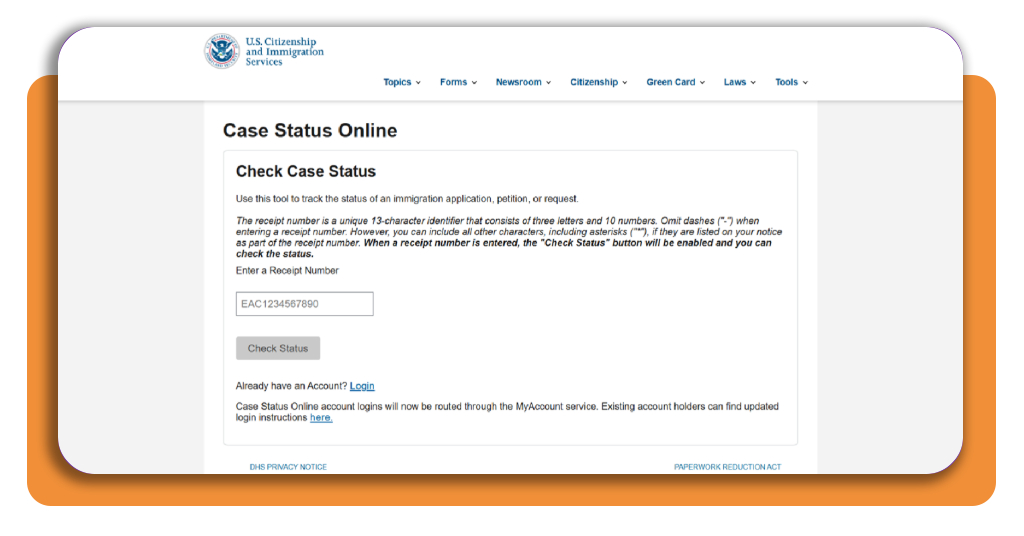
Refugees without a green card fall outside SNAP along with TPS holders and DACA recipients, and a pending adjustment case on USCIS Case Status Online can change your standing.
Step 2: count your qualified years and exemptions
Find the residency start date printed on your green card and count five years forward to see when SNAP and full Medicaid open up for most adults with your status.
Your waiting period vanishes if you held refugee or asylee status before the green card or if you have ties to the U.S. military, and children under 18 skip the SNAP waiting period.
Step 3: pick your categories on Benefit Finder
Open Benefit Finder and tick the categories that match your biggest expenses, such as “Food” or “Health”, then press “Apply selections” to load the programs tied to those needs.
Compare the rules on those pages with the status and dates you noted, crossing off any listing that rules you out and keeping the unclaimed immigrant benefits you can claim.
Step 4: verify eligibility with your state agency
If, for example, SNAP is what you’re after, click ‘How to apply for food stamps (SNAP benefits) and check your balance’ from your results, then follow the instructions on the page that opens.
Pressing ‘Find your SNAP office to apply’ sends you to your state’s agency, where the caseworker confirms whether your status qualifies and tells you which documents to bring.
Does applying for public benefits impact your green card?
USCIS calls you a public charge if it expects you to depend on government support, and the Immigrant Legal Resource Center ties that test to family or employer green card cases.
Holding a green card frees you from that test at renewal or citizenship time, but a trip abroad lasting more than 180 days can bring it back.
Benefits your green card holder child receives don’t count as yours under the latest guidance, which lets you pursue unclaimed immigrant benefits for your kids with less worry.
New public charge rules since September 2026
Alpha Bloom Law Firm reports the new USCIS guidance covers Form I-485 applications filed from September 18, 2026, making your submission date the first detail to confirm.
Any benefits you received before that date only matter if they were cash assistance for income maintenance or extended care in an institution that the government paid for.
Benefits that can now count against you
From September 18 forward, officers can weigh any benefit tied to your income, with SNAP and housing help named as examples along with cash aid and financial aid for college.
Not every scholarship or grant falls under college aid, and taking a benefit won’t trigger an automatic denial, with USCIS treating it as one factor in a broader review.
Groups exempt from the public charge test
Refugees and asylees skip the public charge test, and the same goes for VAWA self-petitioners along with T and U visa holders and anyone with Special Immigrant Juvenile status.
Cuban Adjustment Act applicants and certain Afghan or Iraqi immigrants are exempt too, and fitting one of these groups means you can seek unclaimed immigrant benefits without that risk.
Five factors USCIS weighs beyond benefits
USCIS reviews your full situation before deciding whether you’d lean on public aid, and your sponsor’s I-864 joins that review alongside five factors written into federal immigration law.
- Age: officers check whether you’re at a stage of life where steady work is realistic, and being young or older can draw attention to your finances;
- Health: a medical condition limiting your ability to work may weigh on the decision, and proof of health coverage shows you can handle those medical costs;
- Family status: household size is important, and officers compare the number of people who depend on you with the income and resources available to cover their needs;
- Assets and finances: your income and savings along with property you own show officers whether you can pay living costs, while debts may count against you;
- Education and skills: a diploma or degree along with training or work history signals you can earn a living, and licenses in your field add weight.
Turn eligibility into coverage and peace of mind
A full fridge and a checkup you stopped postponing could become your normal, and the homework you’ve done puts answers in your hands before any caseworker picks up the phone.
In this article, you saw how the Benefit Finder tool can help you find unclaimed immigrant benefits and the fine print that shows which ones could follow you into a green card review.
Read more Insiderbits articles for money moves that leave cash in your pocket, from tax credits you qualify for to state programs built for newcomers who walk in your shoes.