
A clear view of income, expenses, debt, and savings makes it easier to spot where your budget is working and where it needs attention, so you can build a fast financial literacy.
We’ll cover how YNAB (iOS/Android) works with budgeting, how to create a zero-based budget, where high-yield savings accounts fit, and how to turn long-term financial goals into a practical plan.

Which is the best app to master financial literacy?
YNAB (iOS/Android) is a good option for people who want to improve financial literacy through day-to-day money management.
The app is built around planning how available money should be used before it is spent.
That approach gives budgeting an active role.
With that, users can connect financial accounts for automatic transaction imports or enter purchases manually, then organize spending around categories and priorities.
YNAB (iOS/Android) also has tools for debt payoff and longer-term goals.
And its Loan Planner estimates payoff timelines and interest, while goal features track progress toward future expenses and savings priorities.
We’ll cover the features in detail below, but we mention now the app offers a 34-day free trial, after which continued access requires a monthly or annual subscription.
If you want a broader foundation for organizing your budget, this personal finance beginner’s guide explains budgeting, saving, debt, and long-term planning as key concepts.
Key features within YNAB
YNAB (iOS/Android) is a good tool for improving financial literacy because it lets users create a flexible spending plan and adjust categories as priorities change.
This is useful for learning the practical side of budgeting rather than treating a monthly budget as something fixed once and forgotten.
Then, account linking keeps transactions updated automatically, although manual entry remains available for people who prefer more direct control.
Also, shared plans are supported, with one subscription allowing up to six people to work from the same financial plan. Debt management is built into the platform as well.
The Loan Planner shows projected payoff progress and interest, while built-in spending categories are designed to reduce the risk of adding new credit card debt.
Lastly, goals and progress tracking round out the budgeting tools.
Consequently, every user can set priorities, follow their progress, and monitor changes in net worth as their financial plan develops.
Step-by-step: how to create a zero-based budget
Follow these steps to start on financial literacy and build your budget:
Step 1: download YNAB
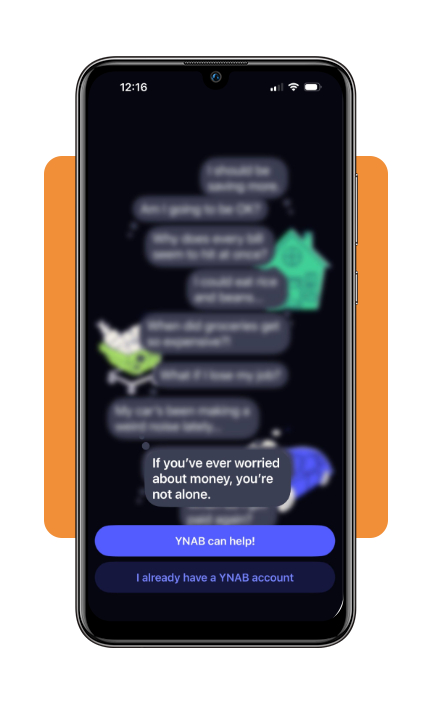
Start by downloading YNAB (iOS/Android). After installing the app, read the messages popping up. They explain how YNAB can help you manage your money.
Step 2: create your spending categories
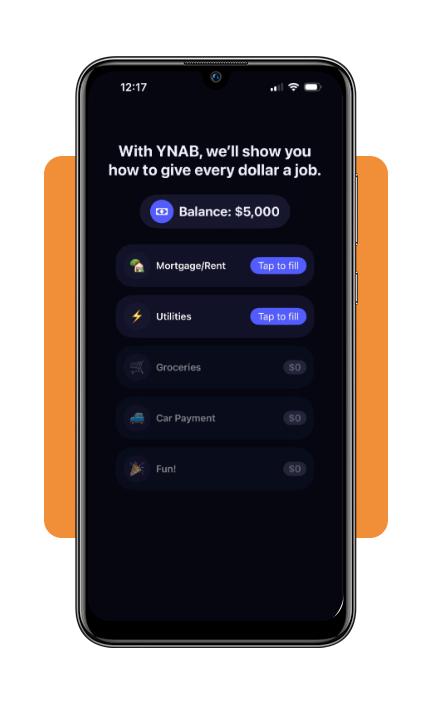
Set up categories for regular expenses such as housing, groceries, transportation, utilities, debt payments, and savings.
Step 3: create your account
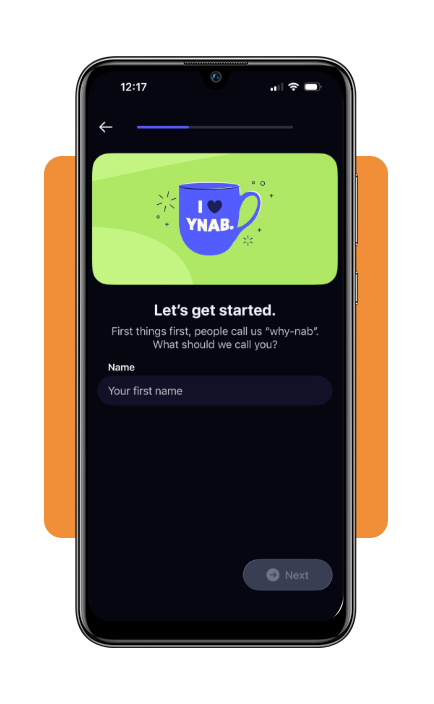
YNAB will ask for your name and your best email address. After confirming that, you can create your account.
Step 4: choose your plan
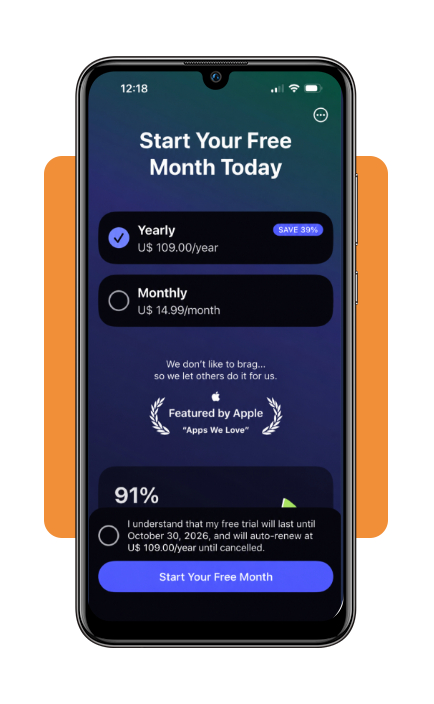
After giving the necessary information, YNAB will prepare a plan for you that fits your goals and expenses.
To access that, you need to choose a plan. The yearly plan costs U$109, while the monthly plan costs U$14.99.
Top high-yield savings accounts
A high-yield savings account keeps your money accessible while paying more interest than a typical savings account.
We listed two accounts that stand out for different reasons: Happen Bank for its current rate and EverBank for its lack of minimum opening requirements.
Happen Bank
Happen Bank offers a 4.20% APY with no minimum deposit required to open the account. That is the highest rate listed in Bankrate’s current comparison.
The account may appeal to savers who want a competitive return without needing to deposit a large amount upfront.
EverBank
Meanwhile, EverBank offers a 3.90% APY with no minimum opening deposit and no minimum balance required to earn the advertised rate.
Bankrate also notes that EverBank offers a checking account, which may be useful for people who prefer to keep everyday banking and savings at the same institution.
With that, when you are opening any high-yield savings account, compare the APY, fees, minimum balance rules, and access to your money.
Bankrate also notes that the accounts in its editorial list come from FDIC-insured banks or NCUA-insured credit unions, while APYs may change after publication.
How to set long-term savings goals
Long-term savings get easier to manage when a distant objective is turned into a specific number and timeline.
This way, a home down payment or retirement, for example, all require different amounts and different periods of preparation.
That said, you must start by defining the goal and estimating how much money you will need.
Regions recommends working backward from the target date to determine how much should be saved each month, then building that amount into your regular budget.
The plan should also leave room for unexpected expenses.
So building an emergency fund before putting all available money toward a distant goal creates a buffer for costs that might otherwise interrupt your progress.
In case debt is making it difficult to save consistently, you can read this Insiderbits guide to debt settlement for unemployed people.
It explores another path for dealing with balances that may be blocking your financial goals.
When it’s about financial literacy and saving goals, flexibility matters over longer periods as well. Income and priorities change, so the amount you save may need adjustment.
The way you hold long-term savings may also change as the target gets closer.
Regions notes that people with more time may have greater flexibility to accept investment risk, while approaching the goal often calls for a more conservative strategy.
Make your money plan work beyond this month
Improving financial literacy is less about memorizing financial terms and more about building habits you can really use.
Following simple steps like keeping a practical budget, clear savings priorities, and regular reviews give your money a defined direction.
We highlighted above how YNAB (iOS/Android) can organize the short-term side of that process, while high-yield savings accounts and long-term goals address what comes next.
Remember: the best plans stay flexible because priorities can change, so your budget and savings targets should evolve with them instead of remaining fixed.
Enjoyed this article? Save Insiderbits to your favorites and discover the most useful tech tips.