

Taking your written driver’s license exam (often called the permit test or knowledge test) can feel nerve-wracking, but failing it usually comes down to simple under-preparation.
In most U.S. states, roughly 40% to 50% of first-time test-takers fail the written exam on their initial attempt because they relied solely on skimming the official driver’s manual once. Read on Insiderbits.

4.8/5
What is covered in the driver’s theory test?
The written driver’s license exam is designed to check whether you understand the rules that keep roads safe, from recognizing traffic signs to knowing when to yield.
The exact number of questions and passing score depend on your state, but most tests cover a familiar set of topics:
- Traffic signs and signals: learn to recognize regulatory signs (such as stop, yield, and speed limit signs), warning signs for hazards like sharp turns or roadwork, and informational signs. You’ll also need to understand traffic light signals and what each one requires you to do;
- Right-of-way rules: know who goes first at four-way stops, uncontrolled intersections, and roundabouts. Pay special attention to pedestrian crosswalks and situations involving emergency vehicles;
- Speed limits and lane usage: study the speed limits that apply in different areas, including school zones and residential streets, as well as lane markings. A solid line and a broken line may look like minor road details, but they can determine whether passing is allowed;
- Alcohol, drugs, and distracted driving: review your state’s blood alcohol concentration (BAC) limits, stricter rules for drivers under 21, and penalties for using handheld devices behind the wheel. Understanding how impairment affects reaction time and judgment is just as important as memorizing the legal limits;
- Safe driving practices: prepare for questions about following distance, skid control, and driving in challenging conditions such as heavy rain, fog, or darkness. The widely taught three-second following rule is a useful starting point for maintaining space between vehicles.
The best way to prepare is to study your state’s official driver’s handbook rather than rely on generic practice questions alone.
Traffic laws can vary by location, and the exam is ultimately testing the rules you’ll be expected to follow on your own roads.
Driver’s license exam: practice with a phone app
Preparing for your driver’s license exam doesn’t have to mean spending hours scrolling through a PDF handbook and hoping the information sticks.
Mobile study apps make the process more interactive, turning driving rules into short quizzes, practice questions, and bite-sized review sessions you can fit into your day.
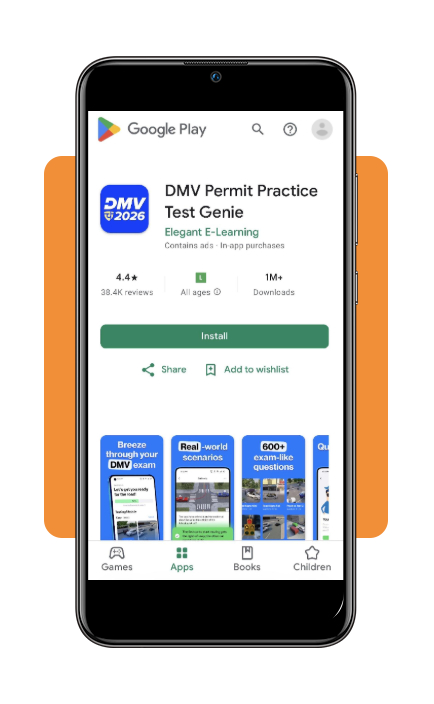
One example is DMV Genie Permit Practice Test (Android | iOS), which offers practice questions covering topics found in state driver handbooks.
Its study tools cover different license categories, including regular driver’s permits, motorcycle licenses, and commercial driver’s licenses (CDLs).
Just remember to select the correct state and check that the questions reflect its current rules. A practice app can make studying easier, but your state’s official handbook should remain the final reference.
Step-by-step: how to find your state’s handbook and practice test
Before diving into practice quizzes, get your hands on your state’s official driver’s handbook.
It’s the most reliable starting point for preparing for the driver’s license exam, since it covers the traffic laws, road signs, and driving rules you’ll actually be tested on.
Think of it as your study roadmap: much better to know the local rules before letting a quiz app put you on the spot.
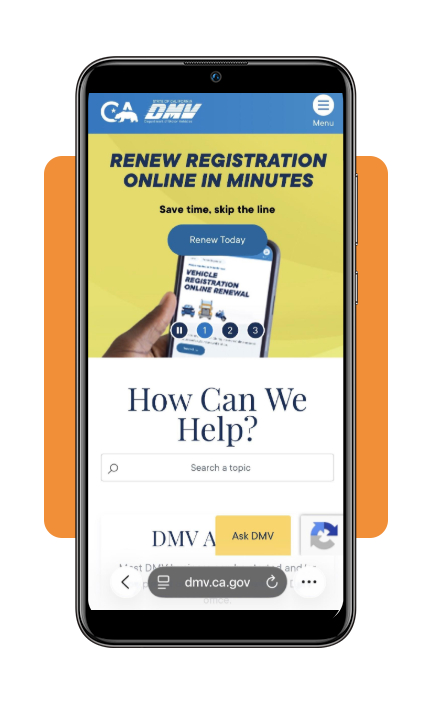
Step 1: locate your state DMV website
Visit your state government motor vehicle portal (e.g., California DMV, Texas DPS, or New York DMV) and download your state’s current Driver’s Handbook.
Pay special attention to sections covering state-specific fines, speed limits, and BAC penalties.
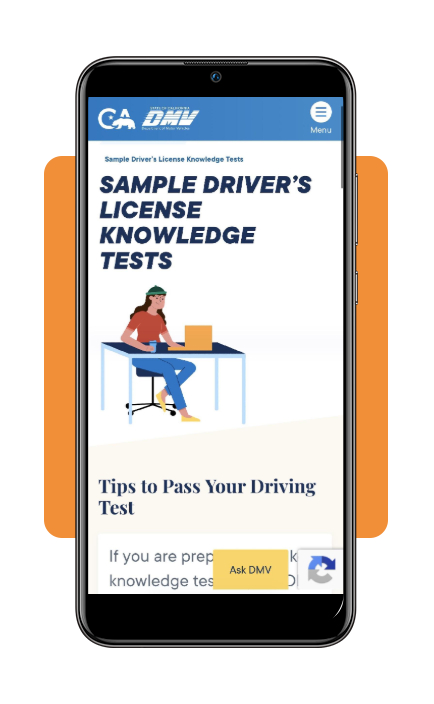
Step 2: take the state’s free sample practice tests
Complete all free sample knowledge tests published on your state agency’s official website to see how actual test questions are phrased.
Step 3: use practice apps to track weak spots
Input your state inside DMV Genie (iOS | Android) to run through practice modes and review missed questions until your passing score probability reaches 90%+.
Free vs. paid practice apps: what to expect
Understanding the differences between free study features and premium tiers helps you pick the right tool for your budget:
| Feature / Aspect | Free App Tiers | Paid / Premium Tiers |
| Question Access | Basic practice quizzes & introductory lessons | Full question bank (1,000+ state-specific items) |
| Exam Simulator | Limited or basic practice modes | Full timed simulator mirroring real DMV scoring rules |
| Missed Question Review | Manual review of incorrect answers | Automatic “Challenge Bank” storing your specific mistakes |
| Pass Guarantee | Not included | Money-back pass guarantee (on select lifetime/monthly plans) |
| Ad Experience | Periodic banner or video advertisements | 100% ad-free studying |
Test-day checklist: documents and fees
Arriving unprepared at the DMV office can result in immediate rejection before you even take the written exam. Bring the following items on test day:
- Proof of Identity: birth certificate, valid U.S. passport, or permanent resident card (original documents only);
- Proof of Social Security: Social Security card, W-2 form, or pay stub displaying your full SSN;
- Proof of State Residency: two separate documents showing your physical residential address (utility bills, bank statements, lease agreements, or school records);
- Completed application form: printed state driver’s license application (often completed online beforehand);
- Testing fee: payment for application and permit fees (usually $30 to $50, payable via cash, debit card, or check depending on the office);
- Glasses or contact lenses: if you wear corrective lenses, bring them for the mandatory vision screening conducted prior to the written test.
4.8/5
Build confidence before your exam
Passing your driver’s license exam starts with preparation, not last-minute cramming.
Study your state’s official handbook, practice with state-specific mobile quizzes, and get your documents organized before heading to the DMV.
A little consistency goes a long way toward helping you feel prepared, avoid unnecessary surprises, and take the next step toward getting behind the wheel.