

Think your paycheck is smaller than it should be? Wage theft can happen when workers don’t receive all the wages they’re legally owed.
In this Insiderbits guide, we’ll show you how to review your pay records, check your W-2, and use official IRS resources to verify your wage information.
Ways to check for ‘wage theft’ by your employer
A paycheck can contain several different amounts, including regular wages, overtime, taxes, and other deductions. Reviewing each part can help you spot discrepancies that may require further investigation.
Keep your pay stubs, employment records, schedules, and other documentation together. Comparing these records over time can make it easier to identify missing hours or unexpected changes.
Review your pay stubs
Start by comparing the hours and pay rate shown on your pay stub with your own records. Check whether your regular hours, overtime, bonuses, commissions, and other compensation appear correctly.
If you worked overtime, verify that the additional hours are reflected in your pay.
Federal overtime rules generally require covered, nonexempt employees to receive overtime pay for hours worked over 40 in a workweek, although exemptions and state rules can affect individual situations.
Also check whether the dates and pay period on the statement match the period you actually worked.
If you suspect wage theft, don’t rely on a single paycheck alone. Compare several pay periods to determine whether the discrepancy is recurring.
If you’re unsure what signs to look for, this MSD Lawyers guide to paycheck red flags explains several warning signs that may indicate an employer is withholding wages.
Check your W-2 form
Your Form W-2 reports wages, tips, and other compensation paid to you during the year.
The IRS explains that employees should receive a W-2 from their employer or former employer showing compensation for their services.
Check whether the wages reported on your W-2 generally match the compensation you received during the year.
The W-2 contains several different boxes for wages and taxes. For example, Box 1 reports wages, tips, and other compensation, while other boxes report Social Security and Medicare wages and taxes.
A difference doesn’t automatically mean your employer committed wage theft. Tax reporting and payroll records can contain legitimate differences, so investigate discrepancies carefully.
Verify tax deductions on your pay stub
Review the deductions listed on your pay stub and make sure you understand what each one represents.
Common payroll deductions can include federal income tax, Social Security, Medicare, state or local taxes, health insurance premiums, and retirement contributions.
The IRS notes that Form W-2 reports amounts such as federal income tax withheld, Social Security wages, Medicare wages, and corresponding taxes.
If a deduction looks unfamiliar, compare it with your employment agreement, benefits information, or previous pay stubs.
If the amount of wages you received doesn’t match your records, keep copies of the relevant documents before contacting your employer or seeking professional advice.

Step-by-step: how to access the official IRS website
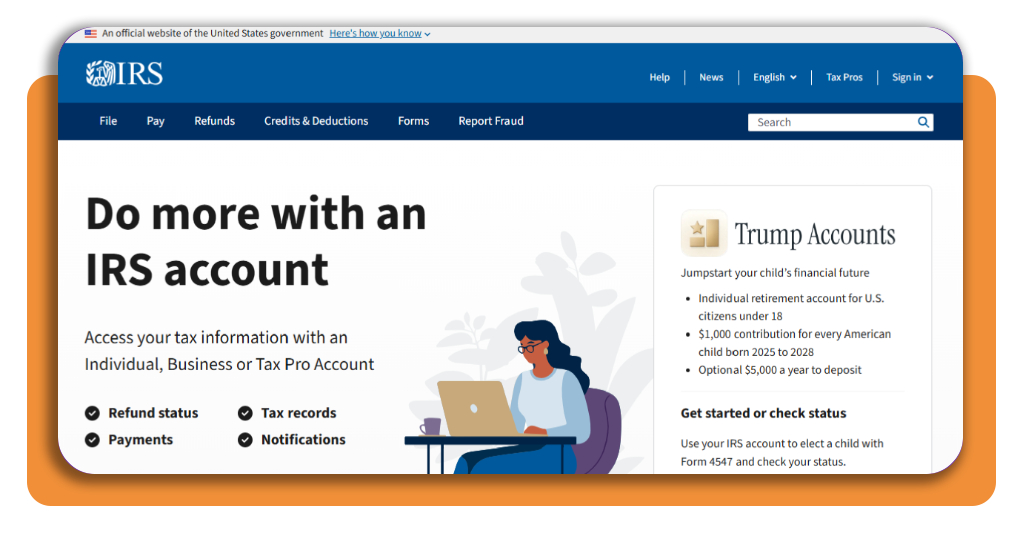
The IRS website provides official information about wages, tax forms, withholding, and employment income. We’ll use the website for this guide rather than an app.
Step 1: visit the IRS website
Go to the official IRS website and use the search function to find information about wages, employment income, or Form W-2.
Using the official website helps you access current federal tax information directly from the source.
Step 2: search for Form W-2 information
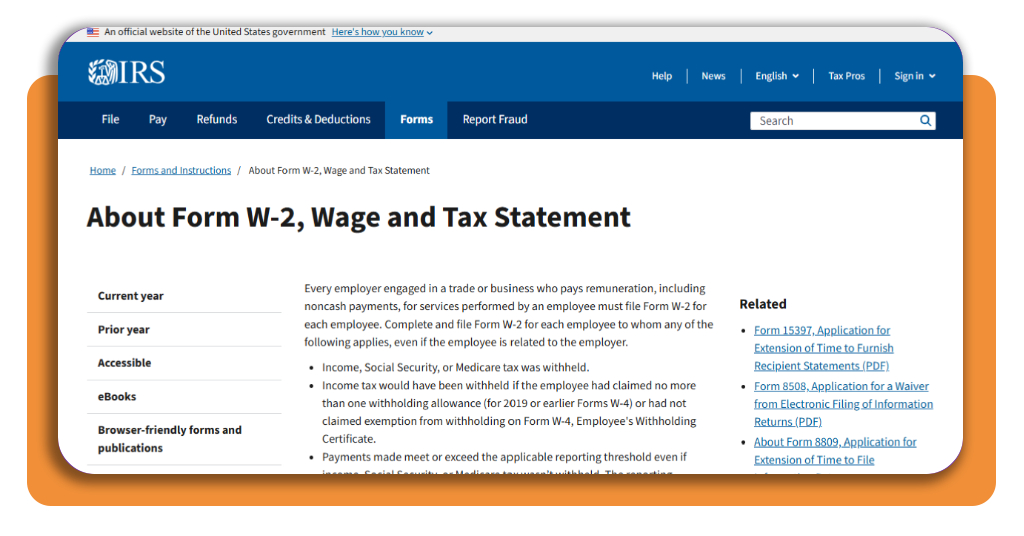
Search for Form W-2: Wage and Tax Statement on the IRS website.
The form reports wages, tips, and other compensation paid during the year, along with certain tax information.
Step 3: review your W-2
Compare your W-2 with your own payroll records.
Check the employer information, wages, tips, and tax withholding amounts shown on the form. If something appears incorrect, keep your supporting pay records available.
Step 4: compare wages with your records
Review your pay stubs and calculate the total compensation you received during the relevant year.
Remember that the amount shown on a W-2 may not match the amount of every paycheck added together in a simple way because payroll deductions and different types of compensation can affect the figures reported.
Step 5: investigate discrepancies
If you identify a significant discrepancy, gather documents that can help explain it.
Useful records may include pay stubs, timesheets, schedules, employment agreements, emails about compensation, and records of overtime or other hours worked.
Step 6: check official worker protections
The IRS is primarily responsible for federal tax administration, not for determining every wage dispute.
If your concern involves unpaid wages or overtime, review information from the U.S. Department of Labor’s Wage and Hour Division.
The agency administers and enforces federal labor standards covering areas such as minimum wage and overtime.
State labor agencies may also have additional wage protections. Your rights can depend on the type of work you perform, your classification, and the state where you work.
Step 7: keep your documentation
Save copies of your pay stubs, W-2 forms, schedules, timesheets, and communications related to your pay.
Having organized records can make it easier to explain the situation to your employer, a government agency, or a qualified employment attorney.
If you’re also looking for information about other financial benefits and assistance, you can explore this Insiderbits guide to social benefits.
Top worker rights organizations for wage recovery claims
If you believe you may have experienced wage theft, you can look for organizations that provide worker-rights information, legal assistance, or referrals.
Legal Aid at Work provides information and legal assistance for workers, particularly in California. Its resources cover employment issues, including unpaid wages and workplace rights.
The National Employment Law Project focuses on worker protections and employment policy. Its research covers issues such as wage standards, worker classification, and enforcement.
The Economic Policy Institute publishes research about wages, labor standards, and worker protections. Its resources can provide broader context about wage-related issues.
The National Employment Lawyers Association is a professional organization for attorneys who represent workers.
Its resources can help people understand the role of employment lawyers and locate attorneys in some circumstances.
You can also review this Philanthropy Together overview of nonprofits fighting for workers’ rights in America for additional organizations and worker-rights resources.
If you believe your employer owes you money, avoid assuming that every payroll discrepancy automatically constitutes wage theft.
A qualified attorney, worker-rights organization, or relevant government agency can help determine whether the circumstances may violate applicable laws.
Best emergency financial assistance tools
If you’re dealing with missing wages, the financial impact can be immediate. While you investigate a potential wage theft situation, emergency assistance resources may help with essential expenses.
211 connects people with local community resources for needs such as food, housing, utilities, and other forms of assistance. Availability depends on location.
Benefits.gov provides information about government benefit programs and eligibility resources. You can use the site to explore programs that may be relevant to your circumstances.
USA.gov provides information about federal government programs and services, including resources related to financial assistance and employment.
If you’re also looking for other government assistance and financial resources, you can explore this Insiderbits guide to social benefits for additional information.
Check your records before taking action
Suspecting wage theft can be stressful, but reviewing your records carefully can help you understand what happened.
Start by comparing your pay stubs with your work hours, compensation agreement, and W-2.
If you find a discrepancy, keep copies of the relevant documents and investigate through official government resources or qualified worker-rights organizations.
The IRS can help you understand your tax documents, while the Department of Labor and state agencies handle different aspects of wage and employment law.
If your review suggests that you may be owed unpaid wages, consider seeking qualified legal advice before deciding what action to take. Having organized documentation can make that process much easier.