

Finding out more about relatives and their past can feel exciting and emotional. MyHeritage makes it possible to connect the dots and bring stories alive.
People constantly feel curious about photos, documents, and family names. Those little details help reveal connections and explain how stories traveled through generations.
This guide by Insiderbits will show you how to use the platform and unlock meaningful details. Keep reading and see why many start searching today.
Related: Discover Your Family History with These Amazing Apps
Build your family tree in minutes
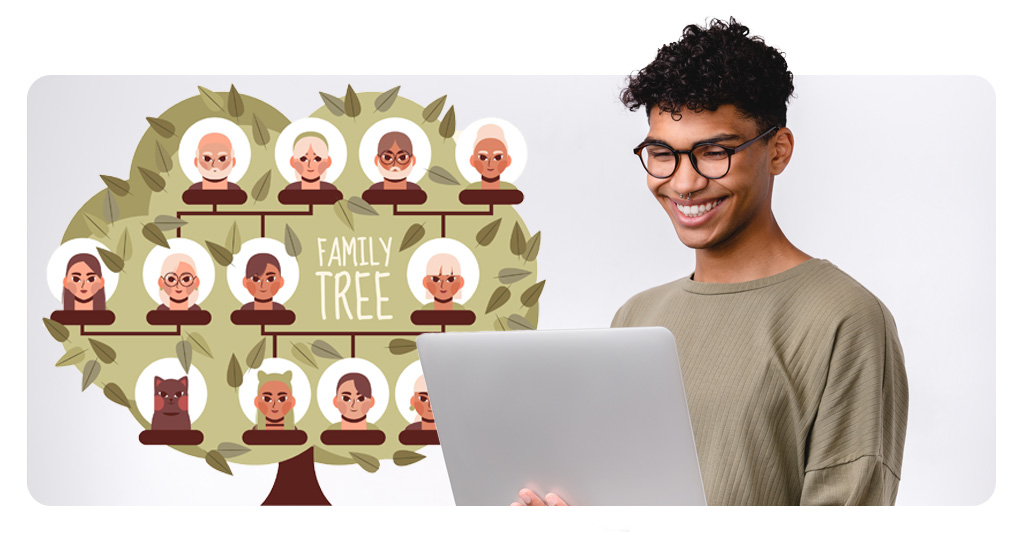
Building your family tree begins with a single name. The tools are intuitive, making it easy to connect generations and preserve important details without feeling overwhelmed.
Each detail added helps paint a clearer picture. Old dates, birthplaces, and stories form a personal timeline that turns forgotten names into meaningful chapters of your heritage.
MyHeritage lets you gather all of this in one place. Add documents, upload photos, and organize memories as your family history becomes something tangible, shareable, and uniquely yours.
Simple steps to get started
Building feels fun once you know the basics. It takes only a few minutes to organize relatives and create a structure that grows naturally.
- Choose relatives first: start with parents, grandparents, and siblings to form the base that anchors the rest of your family tree accurately;
- Add important details: enter names, birthdates, and meaningful facts so each person has a complete profile with recognizable information others can relate to;
- Upload family photos: pictures bring the stories alive, helping everyone feel connected and making it easier to identify relatives across generations in MyHeritage;
- Save documents carefully: certificates, letters, and other records add credibility while providing fascinating insights into family events across time;
- Review and adjust: check the tree regularly, correcting errors and adding information to keep everything reliable, useful, and up to date.
Invite relatives to contribute
Sharing the process makes it more exciting. Relatives can add missing pieces, suggest corrections, and upload treasures like letters or faded pictures you never knew existed.
Collaboration builds stronger connections between generations. Older relatives might remember valuable stories while younger ones enjoy adding digital touches, creating a collective effort.
Keep your family history organized
Organization prevents confusion and makes your tree enjoyable to read. Keeping files structured helps ensure family members and future generations will understand everything.
Digital platforms like MyHeritage provide clear charts, automatic suggestions, and ways to manage information. Having these tools ensures everything stays accessible.
What you can discover with MyHeritage
Old family stories sometimes leave unanswered questions. With the right tools, curious minds can connect names, dates, and places to bring forgotten memories back into focus.
Uncovering hidden documents and photographs feels meaningful. Each record adds emotion and clarity, helping you build a richer, more personal understanding of your ancestral past.
Through detailed records and visual archives, MyHeritage makes each discovery easier to explore. A single name or handwritten note can unlock generations of insight and connections.
Access to real photos and documents
Photographs show faces once only described in words, while official documents confirm facts. Together they bring more truth and emotion to your family story.
Old marriage certificates, travel papers, or birth records highlight moments that may have been forgotten. Adding them creates authenticity, turning your family tree into something vivid.
Stories hidden in historical archives
Archives keep pieces of history that families sometimes lose. Accessing them lets you learn about migration, professions, or events that shaped relatives’ everyday lives.
Every document offers a small story. Reading an ancestor’s occupation or place of residence can spark curiosity and reveal connections to larger moments in world history.
Unexpected family connections
Sometimes the biggest surprise is realizing how many relatives exist. A simple search on MyHeritage may reveal distant cousins or branches never spoken about before.
These discoveries bring people closer together. Meeting new relatives, learning about traditions, or finding common stories helps create meaningful bonds that enrich today’s family life.
Related: How to get a citizenship from another country
DNA tools and ancestry reports
DNA reveals insights that records may overlook. Testing tools uncover ethnic roots, connect relatives, and highlight unique traits passed through generations you might not know about.
Ancestry reports turn raw data into personal stories. By analyzing genetic patterns and population links, these tools help explain where your family began and how they moved.
With clear visuals and global matching, MyHeritage makes DNA results meaningful. Every breakdown shows how your background shaped identities and brings personal history closer.
Learn about your ethnic background
Ethnicity reports highlight how different cultures shaped your family. Percentages give hints about migrations, traditions, and even reasons behind old family recipes or customs.
Seeing the mixture of backgrounds helps explain family traits and shared experiences. These details enrich family conversations and bring a stronger sense of cultural belonging.
Explore genetic matches
Finding relatives through DNA feels unexpected but rewarding. Matches highlight shared markers, connecting you with distant family members you may never have met before.
These matches can start meaningful conversations. People exchange photos, compare family memories, and sometimes create lasting friendships born from simple genetic connections.
Gain insights into inherited traits
DNA reports can also highlight health tendencies. Small clues about inherited traits help families make choices and better understand characteristics across generations with MyHeritage.
Learning about inherited strengths or predispositions can inspire lifestyle decisions. Families feel grateful for the knowledge, using it to improve well-being and future planning together.

MyHeritage vs other genealogy platforms
Many genealogy platforms offer historical access, but some limit your search with shallow records or outdated tools, making meaningful family research harder than it needs to be.
Looking closely at accuracy, record depth, and user experience reveals how platforms differ. Only a few truly help users build emotional, connected stories from the data they find.
Among those few, MyHeritage stands out by combining detailed records with intuitive design. It turns names into stories and transforms research into a genuinely personal experience.
Larger historical record collections
Some platforms restrict research with small archives. Having limited sources makes it harder to confirm facts or trace relatives beyond a few generations reliably.
By contrast, wider collections let users confirm details more easily. With stronger access to documents, families gain confidence knowing information rests on well-documented material.
User-friendly experience
Other platforms sometimes overwhelm beginners with complicated menus. Frustration quickly makes people abandon research even when they are motivated to learn about family.
Smoother navigation helps keep the focus on history rather than technology. Easy tools make adding relatives straightforward, ensuring research feels enjoyable instead of stressful.
Stronger emotional connection
Most platforms stop at presenting raw data without context. The absence of visual storytelling limits emotional involvement, leaving research feeling mechanical rather than meaningful.
Using MyHeritage highlights a different experience. Clear charts, photos, and connections spark emotional reactions, turning simple records into reminders of heritage that feel personal.
Related: Heritage Preservation Apps: Digitizing History for Future Generations
Why you should try MyHeritage today
Starting a family tree is simple. With a few names and dates, anyone can begin connecting relatives and uncovering meaningful links hidden in plain sight.
Each new discovery builds momentum. Uploading photos, recording stories, and confirming relationships turns scattered facts into something detailed, emotional, and easy to follow.
People choose MyHeritage because it brings everything together. From historical documents to matching tools, it helps create a family history that feels organized and worth sharing.
A simple start to something meaningful
Discovering a surname’s origin or an ancestor’s town creates small moments that stay with you. It is not only research. It becomes a way to feel grounded.
You start to see yourself in a historical context. Personal habits, traditions, and even names take on new meaning when connected to family experiences that happened decades earlier.
Designed for curious and connected families
Some relatives carry the stories. Others hold the photos or names. This kind of search becomes richer when it turns into a collective effort across generations.
Group discoveries can bring surprises. A small clue may lead to forgotten places, unexpected connections, or even relatives living just a few towns away from where you are now.
Discover where you truly come from
An old photo or handwritten census line creates impact. When revealed through tools provided by MyHeritage, these fragments bring history into view in a way that feels personal.
People leave traces without realizing it. Exploring these pieces helps explain decisions, traditions, and family turns that built the foundation for your present identity and values.

Connect generations together and keep memories alive
Families feel closer when the past becomes real. Through stories, names, and preserved records, relatives can connect in ways that make history feel personal and worth sharing.
This Insiderbits guide showed how MyHeritage helps turn curiosity into meaningful discovery. Exploring family history becomes easier when every detail fits into a clear experience.
The search does not stop here! Keep reading Insiderbits for thoughtful tips, practical ideas, and creative tools that make everyday learning more personal and worth your attention.