
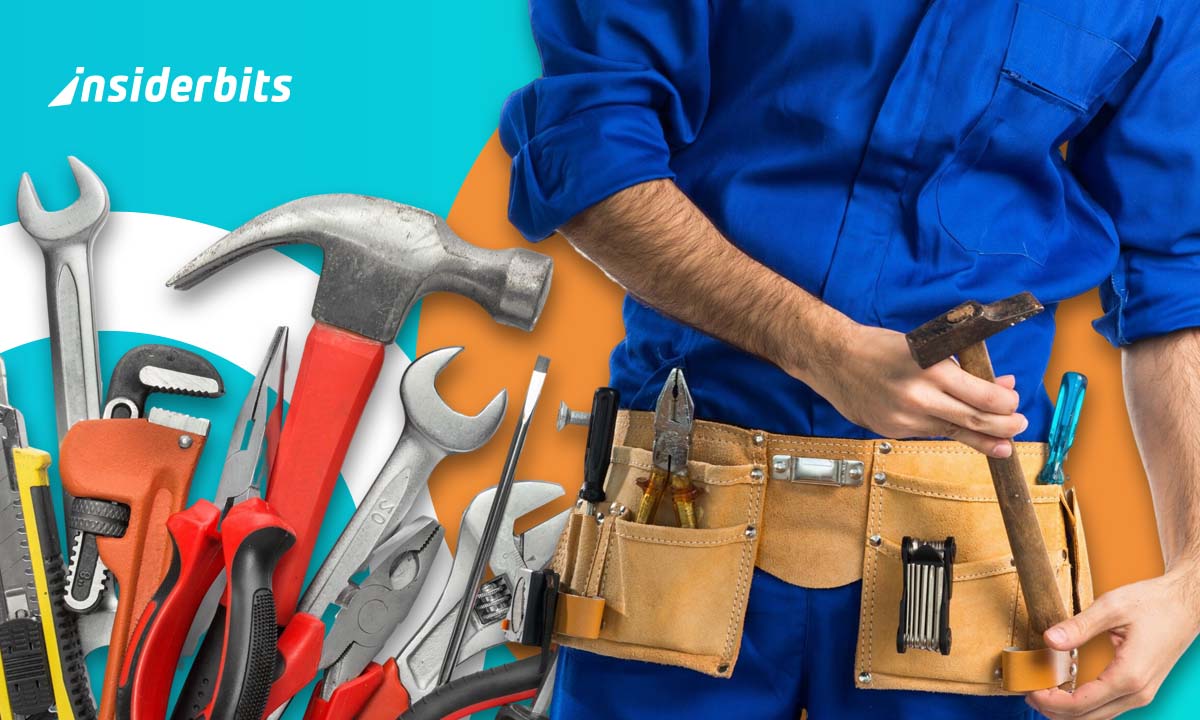
Starting your first repair or installation project means having the right plumbing tools list from day one. That’s because without a clear idea of what tools are essential, many beginners end up with cluttered tool boxes filled with items they never use while still missing what truly matters.
This guide helps you separate the must-haves from the nice-to-haves, offering insight into durability and use cases for each essential item. With the right coordinates, your toolkit will be used with intent and organization, you’ll work safer, faster, and with more confidence in every project.
Essential Plumbing Tools for Absolute Beginners
The core of any reliable plumbing tools list starts with hand tools like adjustable wrenches, pipe cutters and several items that serve multiple purposes in basic repairs and fittings.
To begin with, a plumber’s wrench, often called a pipe wrench, is critical for gripping round surfaces like galvanized pipes or removing older fittings stuck in place.
Secondly, channel locks and tongue-and-groove pliers provide extra torque without damaging connections, which is crucial in both residential and commercial settings.
Additionally, tape measures, levels, and pipe deburring tools help ensure precise installation and avoid costly mistakes caused by uneven alignment.
Once these basics are in place, your work becomes more fluid and less prone to unnecessary backtracking.
Manual vs. Power Tools: What You Really Need
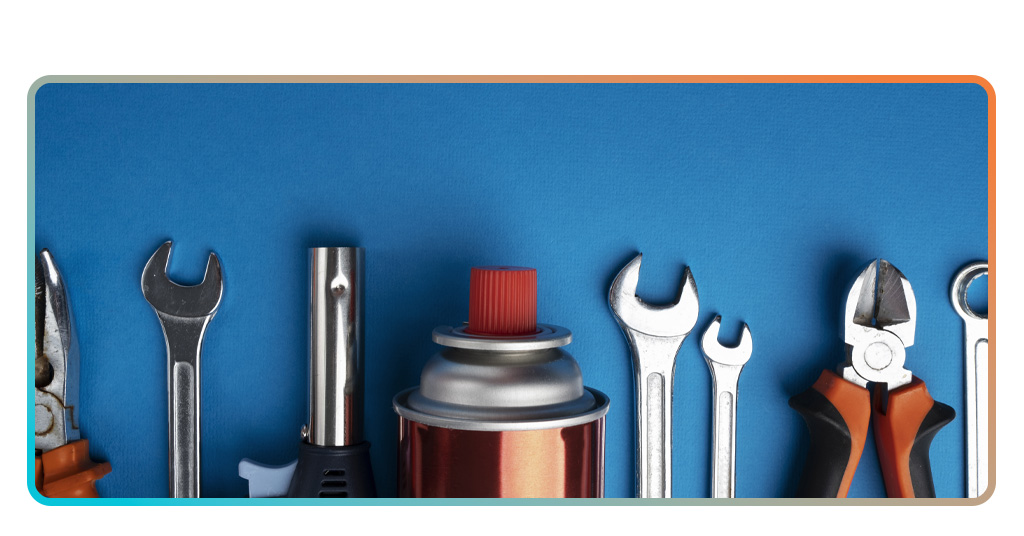
One of the biggest questions when building your plumbing tools list is deciding which jobs require power tools versus those that can be handled manually.
For small repairs or under-sink tasks, a manual basin wrench may be all you need, while larger projects like cutting through PVC or copper pipes often benefit from a cordless rotary tool or hacksaw.
Power augers, or drain snakes, also stand out when clearing clogged drains where manual plungers or small hand augers fall short.
Remember: each approach serves different needs.
In summary, manual tools tend to offer better control in tight spaces, while power tools speed up repetitive tasks or increase cutting strength when dealing with tougher materials.
A hybrid approach gives new plumbers both flexibility and efficiency from the start.
Where to Find Reliable and Affordable Tools
When you research tools for your plumbing tools list, besides the price, which is important, you must keep in mind about balancing cost with durability and ease of replacement if anything fails.
Platforms like SupplyHouse (Android | iOS) and Plumbing Tool Store are specialized in professional-grade gear, while Red Box Tools offers curated kits with lifetime guarantees and precision manufacturing.

4.9/5
Online retailers often list seasonal bundles or beginner sets that include everything from pipe tape to safety gloves, providing better value than buying tools individually.
Moreover, choosing sellers known for plumbing-specific tools helps avoid mismatched or unnecessary items that crowd your toolbox and go unused.
Reliable tools from trusted stores are a foundation for every future job you’ll take on.
How to Organize Your Plumbing Toolkit
First of all, having the right plumbing tools list is only useful if the tools are accessible and in good condition each time you reach for them.
Then, if these tools are in good condition, divide your kit by function.
Organization always makes it easier to grab what you need on-site or during home repairs without unpacking the entire box.
In addition, tool rolls or modular cases can prevent damage from clutter and reduce time spent untangling cords or searching for the right fitting.
You can also go for some digital support. Technology is also another tool.
The Jobber app, available on iOS and Android, for example, can help you to track inventory, especially useful as your toolkit grows with experience.

Organizing tools by logic, not habit, adds speed and consistency to every task you tackle.
Bonus Tools That Save Time and Prevent Mistakes
Beyond the basics, a few extra tools can turn your standard plumbing tools list into a time-saving powerhouse, particularly during troubleshooting or tight-space installation.
For instance, inspection mirrors and LED flashlights help you navigate awkward corners or locate pipe leaks without unnecessary disassembly.
A good quality thread sealant or digital water pressure gauge gives you confidence before closing up any job, catching issues before they become expensive callbacks.
These extras may seem small, but when used at the right moment, they can prevent rework and improve both speed and accuracy in every repair.
Smart additions protect both your time and your reputation.
Plumbing Tools List: What Every Beginner Must Have – Conclusion
Building a smart and effective plumbing tools list is about choosing the right tools that will effectively help to save time and prevent any mistakes.
With a foundation of essential hand tools, thoughtful upgrades to power options, and support from digital organization, beginners can move confidently into more complex repairs.
Knowing where to find reliable gear and how to use it correctly gives new plumbers a valuable edge in safety and professionalism.
Related: Best Apps to Simulate Electrical Installations: A Practical Guide
Enjoyed this article? Save the Insiderbits blog to your favorites for the latest tools, creative tech tips, and photo editing breakthroughs!