

In our fast-evolving job market, technical credentials and professional trade certifications are rapidly replacing traditional four-year degrees as the fastest pathway to high-paying careers.
Whether you work in construction technology, electrical management, IT or mechanical operations, recognized certifications signals reliability to prospective employers and clients. Read on Insiderbits.
Which is the app to earn trade certifications and boost your career?
At this point, no one doubts that trade certifications can help demonstrate that your technical skills meet industry standards, safety requirements, and specialized technology guidelines.
Depending on the credential, completing a certification program may help you qualify for new roles, pursue supervisory positions, or strengthen your earning potential without spending years in a traditional degree program.
For those looking to expand their knowledge or develop project management skills, Coursera (iOS | Android) has online courses and professional certificates from universities and companies, including Google, IBM, and AWS.
Its mobile platform, available for iOS and Android, lets you study technical subjects and prepare for selected industry credentials from your smartphone or tablet.
While hands-on trades such as plumbing, electrical work, and HVAC often require practical training or apprenticeships, online courses can complement that experience.
Topics such as computer-aided design (CAD), project management, workplace safety, and supply chain logistics can help you build skills relevant to technical and construction-related roles.

4.8/5
Key features within Coursera
The Coursera application (iOS | Android) provides several essential tools designed to help busy working professionals earn career-boosting credentials on their own schedule:
- Professional certificates from industry giants: complete specialized certificate sequences developed by leading corporations (like the Google Project Management or IBM Applied AI certificates) to add immediate weight to your resume;
- Offline mobile learning: download video lectures, reading materials, and practice quizzes directly to your device so you can study at job sites, during commutes, or off the grid;
- Interactive applied projects: practice real-world scenarios through guided cloud-based workspaces, applying practical skills like data management, safety protocol auditing, and technical reporting;
- Shareable digital credentials: earn verifiable digital badges and shareable certificates that can be instantly added to your LinkedIn profile, digital portfolio, or resume.
Step-by-step: how to enroll in trade certification courses
Earning trade certifications starts with finding a course that matches your career goals and industry requirements.
Follow these steps to explore training options, build skills, and prepare for your next professional qualification.
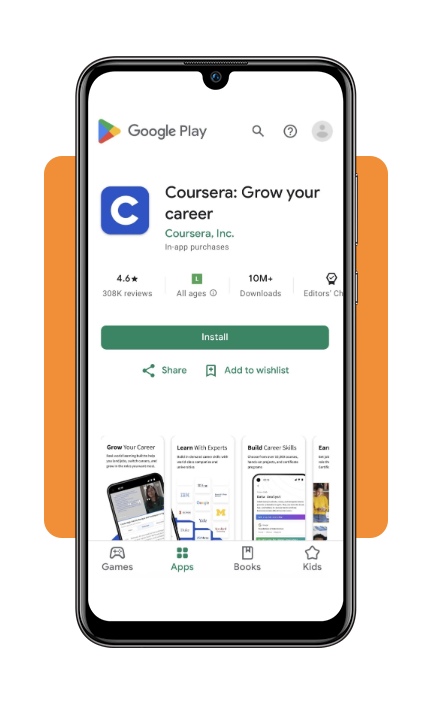
Step 1: download the learning app and register
Download the Coursera application onto your iOS or Android device. Create your free user profile, inputting your career focus to receive tailored course recommendations.
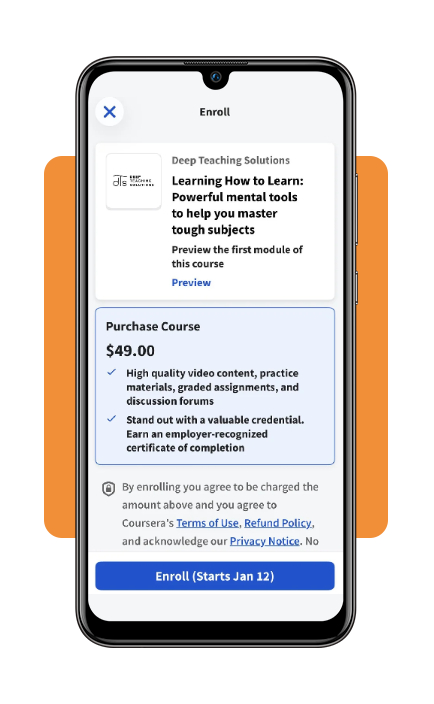
Step 2: select your enrollment option
Choose between auditing video lectures for free or subscribing to the Professional Certificate track to gain access to graded assignments, hands-on projects, and official completion credentials.
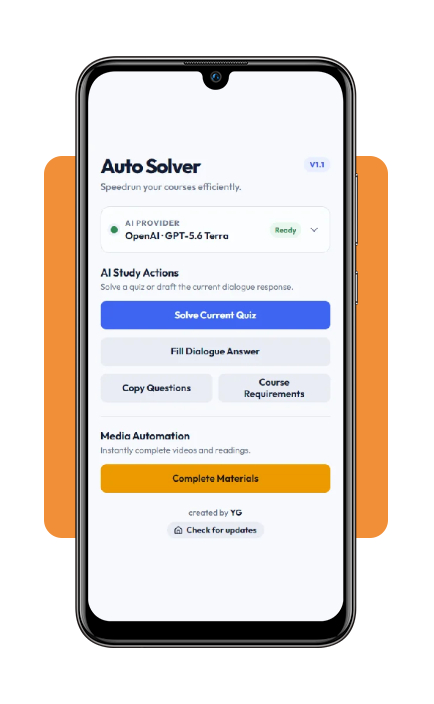
Step 3: work through course modules at your own pace
Set aside dedicated weekly study hours to watch video lectures, complete interactive quizzes, and work through practical project assignments on your mobile device or computer.
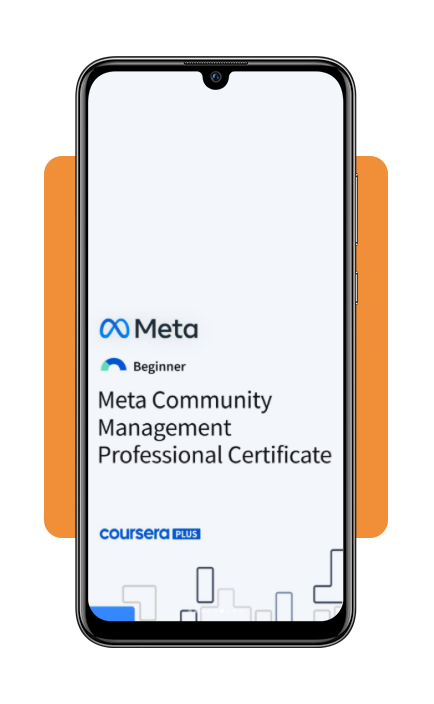
Step 4: earn and share your credential
Upon successfully completing all required modules, claim your verifiable digital certificate. Share your new accomplishment directly on LinkedIn, attach it to job applications, and update your resume.
Top national trade schools
Earning certain trade certifications requires hands-on training, experience with specialized equipment, or supervised hours to meet state licensing requirements.
In these fields, an accredited trade school or community college can provide the practical instruction and preparation needed to qualify.
- Lincoln Tech: operating campuses across multiple states, Lincoln Tech offers hands-on career training in automotive technology, HVAC, electrical systems, welding, and medical assisting, preparing students for national certification exams;
- Universal Technical Institute (UTI): UTI specializes in technical training for automotive, diesel, marine, motorcycle, and industrial maintenance technicians, partnering directly with major manufacturers to align coursework with official brand credentials;
- Joint Apprenticeship and Training Committees (JATC): Jointly sponsored by trade unions (such as the IBEW or UA) and contractor associations, JATC programs combine paid, on-the-job apprenticeship training with classroom instruction, leading directly to journey-level trade certification.
For practical advice on apprenticeships, trade school funding, and changing careers, explore our guide to trade career training.
If you’re already working in the trades, this Checkatrade guide to upskilling explains how learning new skills can help you expand your services and rely less on subcontractors.
Best options for resume building
After earning new trade certifications, update your resume to highlight your qualifications and technical skills.
A resume builder can help you organize your credentials clearly and tailor your application to industry expectations:
- Novoresume: features clean, modern layouts with dedicated sections for professional licenses, technical certifications, and hands-on skill taxonomies;
- Resume.io: offers automated phrasing suggestions and pre-designed templates engineered to pass Applicant Tracking Systems (ATS) used by major construction and engineering firms;
- Canva Resume Maker: ideal for independent contractors and sole proprietors who need visually engaging, customizable resume layouts to present credentialed portfolios to high-value clients.
4.8/5
Build your career with recognized skills
Earning trade certifications can help you demonstrate your skills, qualify for new roles, and strengthen your position in the job market.
Online learning platforms like Coursera, accredited trade programs, and hands-on training can help you develop relevant expertise.
Adding your credentials to your resume also makes it easier for employers to see how your qualifications match their needs.