Increasingly, some people are also turning to services that provide alerts about offenders and changes in custody status based on public records.
Victims, family members, advocates, and concerned citizens often want timely information about offender status changes. See how to receive alerts on your phone on Insiderbits.

4.2/5
VINELink: free app for real-time alerts about offenders
VINELink is one of the best-known victim notification systems in the United States.
Operated through partnerships with correctional facilities and public agencies, the app (iOS | Android) allows users to track offender custody status and receive updates when changes occur.
The platform has existed for years, long before smartphone apps became an everyday necessity. Today, users can receive notifications rather than manually checking records.
Unlike some safety apps that promise to predict danger with vague algorithms, VINELink focuses on providing alerts about offenders using information already available through participating correctional systems.
Features Available in the App
The VINELink app includes tools like the following:
- Custody status tracking;
- Real-time notifications;
- Search functions for participating jurisdictions;
- Secure user registration;
- Multi-state offender searches;
- Notification management tools;
- Mobile access to public records information.
One reason the platform remains widely used is that it focuses on updates—users receive information when a verified status change occurs, not when an algorithm decides something ‘might’ happen.
Step-by-step: how to register for alerts online
Ready to get started with alerts about offenders?
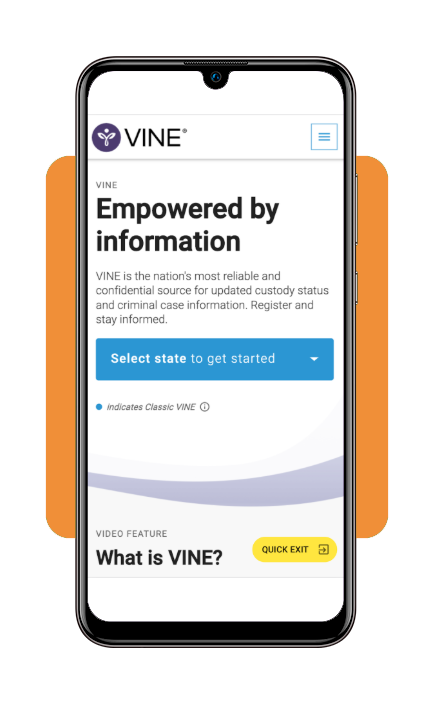
Step 1: download the VINELink app
Install the app through Google Play or the Apple App Store. Register with your contact information and establish notification preferences.
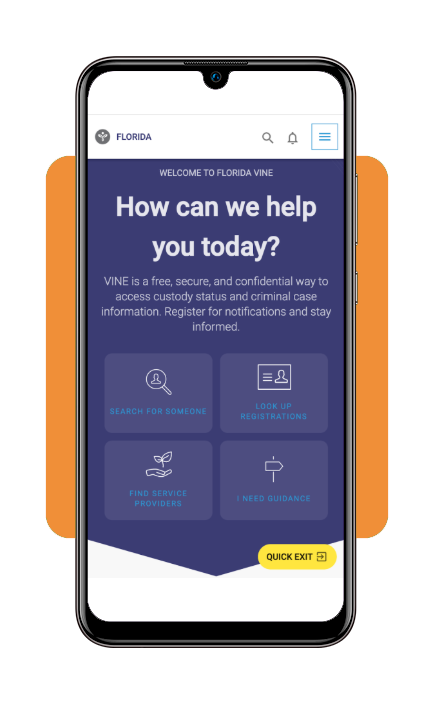
Step 2: search for an individual
Use the search tool to locate offenders within participating correctional systems. Select the types of alerts about offenders you want to receive.
Step 3: verify contact information
Confirm phone numbers, email addresses, or other notification methods. The system will send notifications whenever a qualifying custody-status change occurs.
While the process is simple, users should understand that coverage depends on participating jurisdictions. Not every facility or agency nationwide uses the same notification infrastructure.
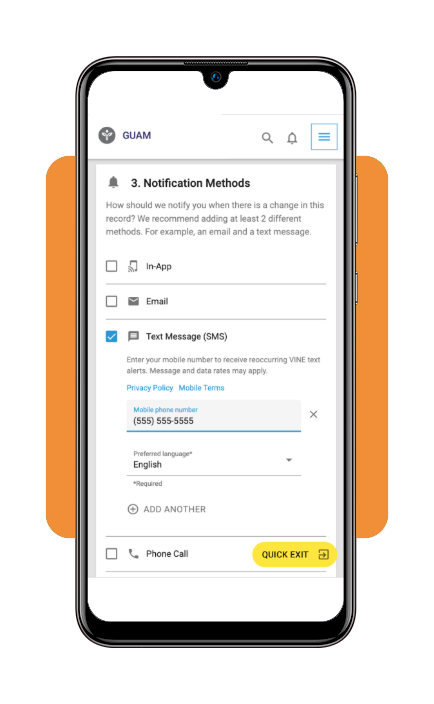
Types of alerts that can be configured in the app
The phrase ‘alerts about offenders’ covers several different types of notifications. Depending on jurisdiction and available services, users may receive updates regarding:
- Release from custody;
- Transfers between facilities;
- Escapes;
- Court-related status changes;
- Custody updates;
- Other significant offender status changes.
For victims of crime, these notifications can provide peace of mind and help avoid situations where important information arrives unexpectedly.
According to criminal justice researchers, victim notification systems have become an increasingly important component of modern victim-support services over the past two decades. The goal is communication.
Does VINELink work outside the United States?
One important limitation to understand before downloading VINELink (iOS | Android) is that the platform is primarily designed for the United States.
The app gathers information from participating correctional facilities, courts, and law enforcement agencies across U.S. states, with alerts about custody status changes, court events, and other offender-related updates.
If you live outside the U.S., VINELink’s usefulness depends on whether the jurisdiction you’re monitoring participates in the VINE system.
In practice, most of the available data comes from American agencies, and coverage varies even within the United States because participation is managed at the state and local level.
For international users, the app can still be useful when tracking information related to a case or offender in a participating U.S. jurisdiction.
However, it is not a global offender-tracking platform and should not be relied upon for real-time criminal justice information in countries outside the VINE network.
Top home security systems for family protection
While alerts about offenders can provide useful information, they are only one piece of a broader family safety strategy. Security professionals recommend a layered approach:
- Smart doorbell cameras: allow homeowners to monitor entrances remotely;
- Alarm systems: provide immediate alerts during unauthorized entry attempts;
- Outdoor lighting: one of the simplest and most overlooked deterrents available;
- Neighborhood awareness networks: community communication remains surprisingly effective despite all our technology;
- Emergency contact plans: every household benefits from knowing who to call and what to do during an emergency.
Ironically, some families spend thousands on sophisticated gadgets while never discussing a basic emergency plan with the people who live under the same roof.
Technology helps, but preparation helps more.
How to quickly contact local emergency services
Receiving alerts about offenders should never replace emergency response systems. If someone faces an immediate threat, emergency services remain the appropriate first point of contact. Experts recommend:
- Saving local emergency numbers;
- Keeping important contacts updated;
- Enabling emergency features on smartphones;
- Sharing emergency plans with family members;
- Knowing the nearest police, fire, and medical facilities.
Many smartphones now include emergency SOS functions that can automatically contact emergency responders and designated family members.
These features are often available by default, yet many users never activate them until after an emergency occurs.
Human nature is funny that way. We buy smoke detectors after a fire and backup drives after losing files and sometimes learn about emergency settings only after wishing we had known they existed sooner.
Related: Hear breaking news first with this live police scanner app
4.2/5
Safety isn’t about fear
The internet often treats public safety as a choice between two extremes: either panic about everything or ignore everything. Reality usually lives somewhere in the middle.
Services that provide alerts about offenders are not crystal balls.
They do not predict crimes, guarantee safety, or replace law enforcement. What they do offer is access to information that many people, particularly victims and their families, may find valuable.
A phone notification cannot eliminate risk any more than a weather forecast can stop a thunderstorm.
But just as knowing rain is coming helps you grab an umbrella, receiving accurate alerts about offenders can help people stay informed and make decisions with a little more confidence.
And sometimes, in a world overflowing with rumors, speculation, and endless notifications about things that don’t really matter, a notification grounded in verified public information is one of the few alerts worth receiving.