

Losing a source of income turns manageable debt into something overwhelming, as bills continue to arrive while financial flexibility disappears. This ends up pushing many people to look for alternatives that can reduce pressure without requiring immediate full repayment. That’s the main reason why some individuals are paying attention to debt settlement for unemployed as a possible path forward.
This approach creates a way to renegotiate what is owed based on current financial reality, allowing debts to be reduced and reorganized into something more manageable, giving anyone the opportunity to regain control and begin rebuilding stability even during periods without steady income.
Debt settlement for unemployed people: check eligibility
The first thing about checking eligibility for debt settlement for unemployed people starts with understanding how your current financial situation is evaluated.
Since the process looks at your ability to repay, the type of debt you carry, and how far behind those accounts may be at the moment, this becomes the first step.
First of all, credit card debt and unsecured loans tend to qualify more easily, as these are the types of balances that can be renegotiated with creditors when repayment isn’t realistic.
Another important factor involves financial hardship. This one must be demonstrated through your current situation.
You can demonstrate that by unemployment or reduced income, showing that maintaining regular payments is no longer sustainable.
Delinquency status also plays a role, since accounts that are already behind or at risk of default are often the ones considered for settlement negotiations.
Ultimately, these elements give a clearer picture of whether a debt settlement for unemployed is a viable option.
Eligibility & how it works
The eligibility criteria for debt settlement for unemployed depends on how your financial situation is positioned at the moment.
That’s even more important when income has dropped to a level that makes regular payments unrealistic and forces a different approach to dealing with existing debt.
The process begins with a financial review that looks at your total debt and current income status.
Those measures are the ones that create a profile that determines whether creditors are likely to accept a reduced payoff.
Meanwhile, unsecured debts, such as credit cards, are usually the focus, since these balances can be negotiated more flexibly compared to obligations tied to assets or collateral.
And then, once eligibility is confirmed, the process moves into negotiation, where a portion of the total debt is proposed as a settlement.
Often, the process is structured as a reduced lump sum or a revised payment plan that reflects your current financial capacity.
Step-by-step: how to apply for debt settlement
Applying for a debt settlement for unemployed is a process that moves from understanding your financial situation to entering negotiations with creditors.
Insiderbits prepared this guide showing how the process works. It begins with a simple check that will determine if moving forward makes sense.
Step 1: start with an eligibility check
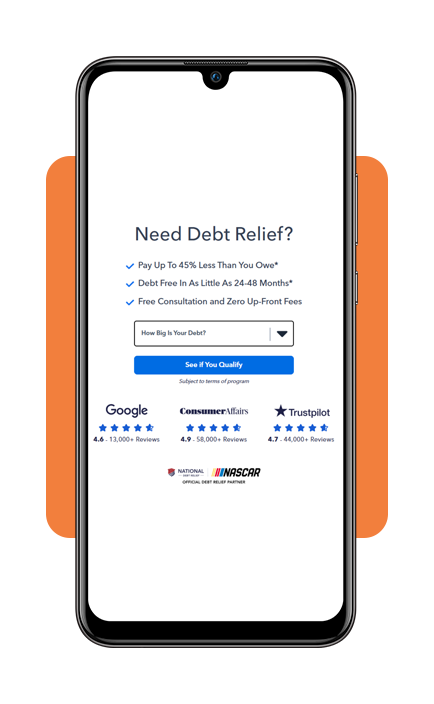
First of all, access National Debt Relief and complete the initial assessment to see if your financial profile qualifies for a settlement program.
Step 2: review your financial situation
Provide details about your debts, income status, and payment history so the program can outline possible strategies based on your current reality.
Step 3: enroll in a settlement plan
If eligible, you enter a program designed to negotiate with creditors on your behalf to reduce the total balance to a more manageable amount.
Settlement amounts, payment schedules, and timelines
Now, to talk about settlement amounts in debt programs for unemployed individuals, they are shaped by how much you owe and how clearly financial hardship can be demonstrated.
This system will create some outcomes that vary from case to case instead of following a fixed formula.
In many situations, creditors may agree to accept a reduced portion of the original balance.
That can happen especially when the alternative would be prolonged non-payment that makes settlement a practical option for both sides.
When it comes to payment schedules, they are organized around what you can afford.
This way, it allows contributions to be made over time while negotiations continue in parallel.
And finally, timelines depend on how quickly agreements are reached and how consistent payments remain.
Because of that variation, some cases move faster while others require more time to fully resolve.
As you can see, the process tends to unfold gradually, with each completed settlement bringing the total debt closer to a final resolution that reflects your current financial capacity.
Common mistakes to avoid when applying
As you read in this article, applying for debt settlement while unemployed can feel like a relief at first.
However, there are some small mistakes along the way that can slow everything down or even reduce how effective the outcome will be.
To begin with, one common issue appears when people underestimate their financial situation, entering unrealistic numbers that later create problems during negotiation.
Another frequent mistake involves ignoring communication from creditors or the settlement program.
That can interrupt progress and create unnecessary delays in reaching agreements.
It also happens that some applicants expect immediate results, while the process actually requires time and consistency to produce meaningful reductions in debt.
Remember to take a more careful approach from the start helps avoid these setbacks, letting the process move forward with fewer interruptions and more predictable results.
A clearer path to regain financial control
We all know that dealing with debt for unemployed can feel like a constant weight, yet debt settlement opens a path that brings structure to a situation that feels out of control.
Each step in the process, from checking eligibility to negotiating balances and following a payment plan, builds toward reducing what you owe in a way that fits your current reality.
Of course progress may not happen overnight, but each agreement reached represents a change toward stability, bringing a plan that brings your finances back within reach.
If debt has been dominating your decisions, this approach offers a chance to reset the direction and start rebuilding with something more realistic and sustainable.
Correlato: Debts With the IRS: Free Online Tax Consultation to Resolve Them
Ti è piaciuto questo articolo? Salvalo Insiderbits to your favorites and discover the most useful tech tips.