

With the rapid rise of AI voice scams across North America, bad actors are using generative voice cloning software to impersonate family members, corporate executives, and trusted institutions.
These sophisticated fraud operations bypass traditional caller ID by spoofing local numbers and recreating authentic vocal accents, emotional inflections, and speech patterns. Read on Insiderbits.

4.5/5
Which is the best app to detect and block AI voice scams?
Scammers only need 3 seconds of your voice to clone it and drain your bank account—when evaluating tools designed to stop modern telephone impersonation, Truecaller (iOS | Android) stands out as the industry leader.
While legacy spam blockers rely strictly on static blacklists of flagged phone numbers, combatting AI voice scams requires real-time acoustic analysis capable of differentiating human speech from synthetic audio generation.
Did you know?
- 10+ million Americans use Truecaller solutions to stop telephone fraud daily;
- 99% of AI-generated robocalls are flagged and intercepted in real-time;
- Rated #1 Mobile Security App for real-time voice cloning protection and caller verification.
Truecaller’s specialized AI Call Scanner addresses this threat directly by evaluating audio signatures on demand during live phone calls.
Features available in the Truecaller AI Call Scanner
Truecaller’s (iOS | Android) security suite offers specific features engineered to neutralize AI voice scams:
- Real-time voice sampling: with a single tap during an incoming call, the app routes a short audio sample of the caller’s voice to Truecaller’s proprietary machine learning engine;
- Neural synthesizer detection: the AI model analyzes tone, cadence, spectral frequencies, and subtle digital artifacts to identify whether the voice is human or computer-generated;
- On-screen instant verdict: within seconds, a visual notification alerts you with either ‘Human Detected’ or ‘AI Voice Detected,’ allowing you to immediately disconnect fraudulent calls;
- Community-driven threat database: fraudulent numbers utilized in AI voice scams are instantly reported to a global network, updating block lists for millions of users simultaneously.
Step-by-step: how to test and verify a suspicious voice call
Protecting yourself against AI voice scams requires both automated scanning tools and a protocol for verifying caller identities. Follow these steps to handle suspicious incoming calls:
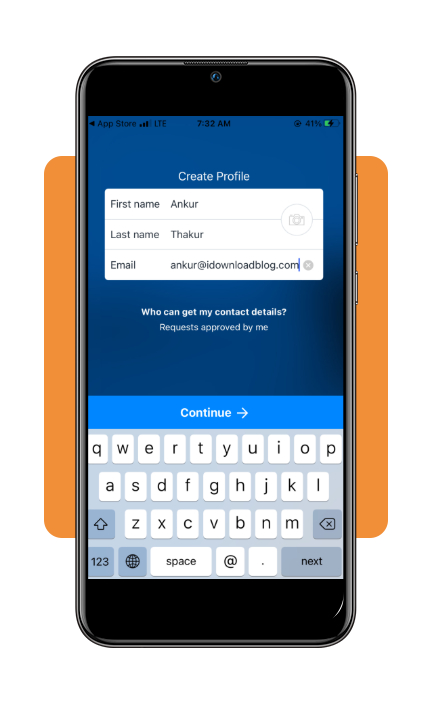
Step 1: download and activate Truecaller
Install Truecaller on your iOS o Android device. Open the app, set it as your primary caller ID handler, and complete initial permission setup to arm your phone against modern AI voice scams.
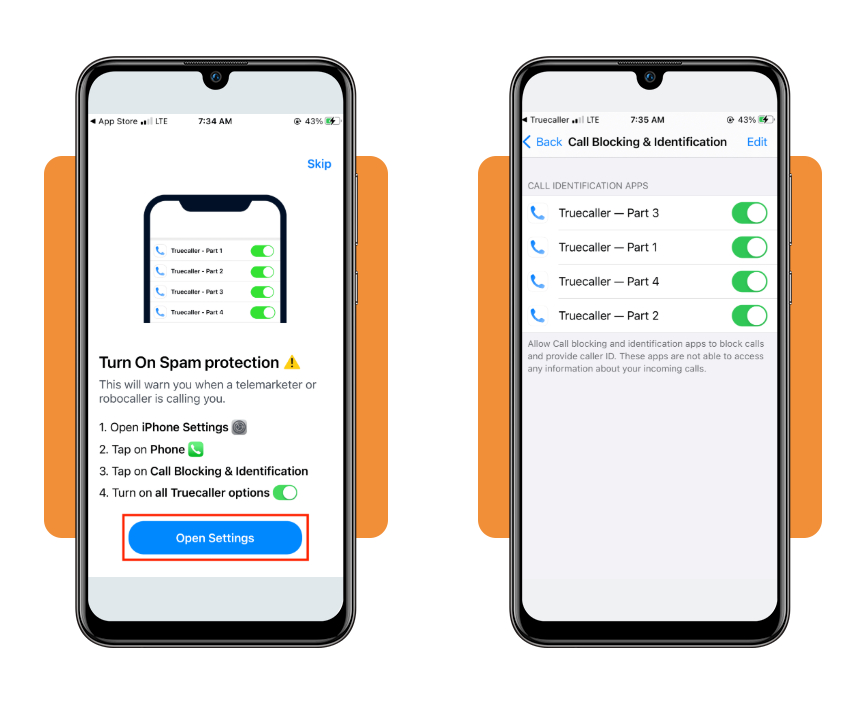
Step 2: configure caller ID and spam protection
Navigate to the settings menu inside Truecaller to enable automated spam blocking, real-time caller identification, and live call screening features.
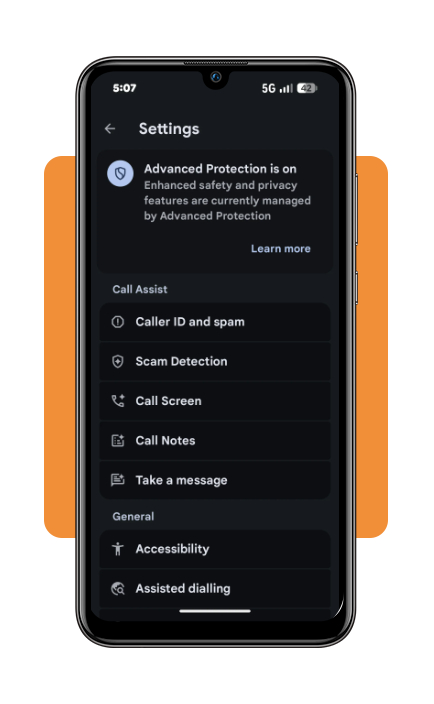
Step 3: trigger the AI Call Scanner during suspicious calls
When receiving a call from an unknown number or a familiar contact making urgent financial demands, press the ‘Start AI Detection’ button within the Truecaller call interface.
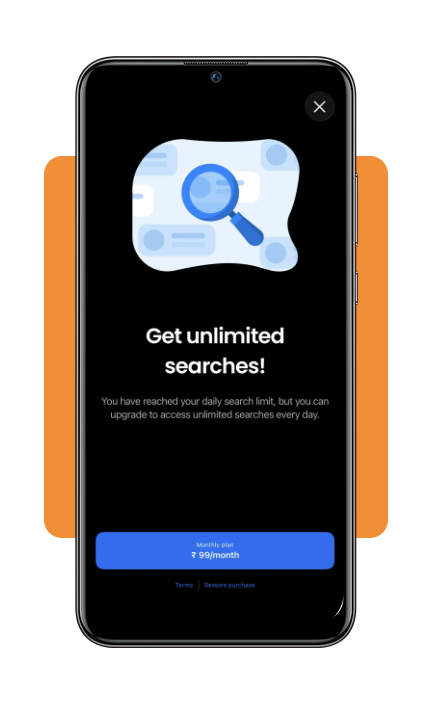
Step 4: verify results and execute safety protocols
Wait 3 seconds for the app to process the voice sample. If the app flags an ‘AI Voice Detected’ alert, hang up immediately, block the number, and contact your family member directly via a secondary channel.
Identity theft insurance to protect your assets
While call blocking apps prevent phone-based extortion, cybercriminals behind AI voice scams frequently use stolen personal details to target financial accounts.
If an attacker succeeds in gathering enough sensitive information to commit account takeover fraud, having dedicated identity recovery coverage ensures you suffer zero out-of-pocket losses.
Il Forbes guide to top identity theft protection services points out that comprehensive protection plans provide critical safeguards:
- Stolen funds reimbursement: premium coverage policies reimburse up to $1 million in lost bank account funds resulting from identity theft or unauthorized wire transfers;
- Legal and expert resolution: dedicated fraud specialists assist you in freezing credit files, filing police reports, and restoring your credit standing;
- Dark web monitoring: continuous surveillance alerts you if your social security number, passwords, or personal telephone numbers are traded in illegal cybercrime forums.
Combining real-time call filtering with identity theft insurance ensures complete coverage even if AI voice scams manage to extract sensitive personal data.
Best privacy practices counter scams
In addition to using detection software, practicing digital hygiene limits the amount of raw audio data scammers can collect to train their voice cloning algorithms.
Following some key advice from the University of Salford on spotting AI voice fraud, for example, helps you build strong behavioral defenses against voice cloning:
- Establish a family code word: create a secret, un-guessable word with your loved ones. If you receive an urgent call claiming an emergency, ask for the code word before taking action;
- Limit public voice audio online: avoid posting long video clips of your voice on public social media platforms, as scammers harvest public audio to create synthetic voice profiles;
- Never answer direct questions from unknown numbers: if an unknown caller asks ‘Can you hear me?’, do not answer ‘Yes.’ Scammers record affirmative voice responses to authorize fraudulent transactions;
- Hang up and call back directly: if a bank or relative calls demanding immediate money, hang up and dial their official, saved phone number directly to verify the request.
4.5/5
Panic is the scammer’s favorite tool
To defend against sophisticated AI voice scams, you need an active line of defense that evaluates caller audio as the conversation occurs.
Pairing call-screening apps with steps to secure your online privacy settings creates a multi-layered shield against digital extortion.
Implementing these proactive measures ensures that even as AI voice scams become more advanced, your personal communications and assets remain completely secure.