
Planning your trip to the World Cup host cities? Don’t pay full price! Today we want to recommend to you a free app that gives you an insider’s guide to every stadium location and unlocks 50% discounts on local stays. Navigating across three massive North American nations means you need to familiarize yourself with the unique cities of the FIFA World Cup to avoid extreme logistics headaches.
Over 1 million travelers used this tool for the last tournament, securing average savings of $450 per trip to host cities. Boasting official integration with local transport and stadium maps, tracking your destinations has never been easier. Whether you are chasing matches in Canada, Mexico, or the United States, unlocking the secrets of these vibrant urban hubs ensures a seamless vacation experience.
- Soccer Coach Career Path: How to Go from Volunteer to Pro
- Soccer Referee Certification: Steps to Start Your Career
- Apps to Watch the 2026 World Cup Live on Your Phone
Interesting facts about the host cities of the FIFA World Cup
The tournament features a staggering 16 different locations, making it the largest geographic footprint in soccer history.
Each of these cities of the FIFA World Cup brings a completely distinct climate, altitude, and football culture to the global stage. Let’s look at some facts across these regions:
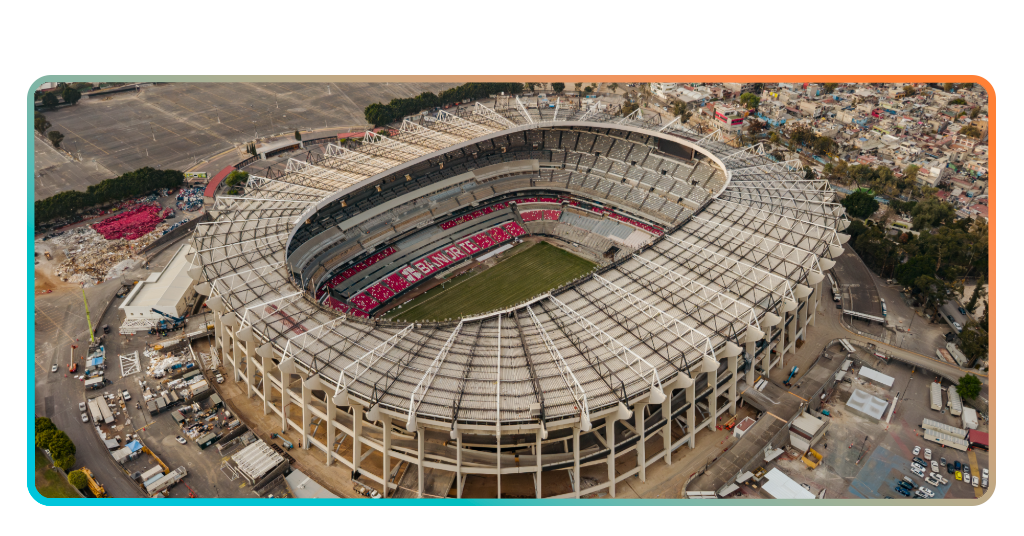
- Mexico City: Estadio Azteca sits over 7,200 feet above sea level, so its thin air makes the ball travel faster and tests the stamina of visiting players;
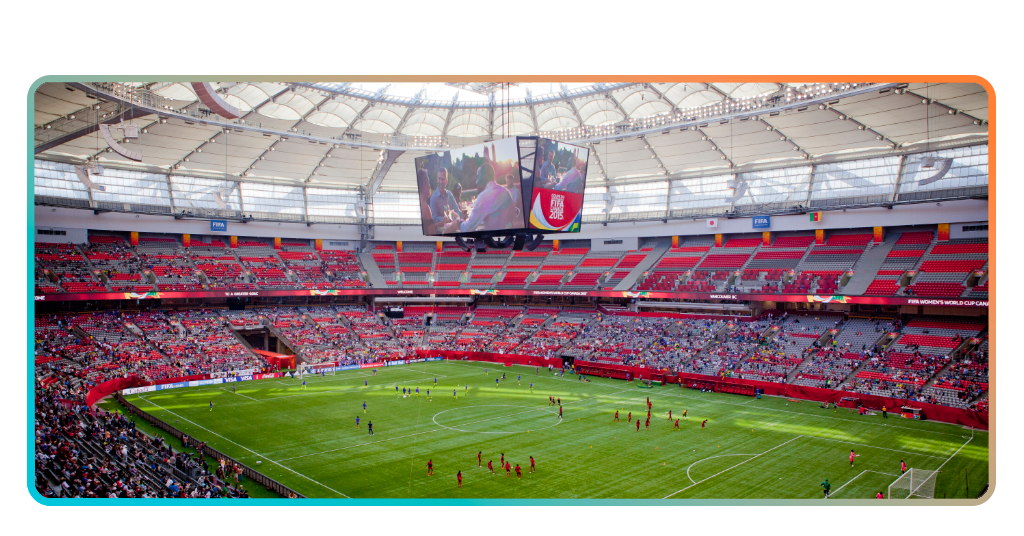
- Vancouver: BC Place features a massive retractable roof and stunning harbor views, offering a cool, temperate climate nice for mid-summer matches;
- Miami: Hard Rock Stadium boasts a specialized open-air canopy designed to shield 92% of fans from the intense tropical sun and sudden rainstorms.
To help you plan your packing and match-day expectations, here is a quick look at three different host environments:
| Host City | Stadium Name | Key Feature | Climate Vibe |
| Mexico City | Estádio Azteca | Historic 3-time tournament venue | High-altitude, vibrant energy |
| Vancouver | BC Place Stadium | State-of-the-art retractable roof | Cool, scenic coastal breeze |
| Dallas | AT&T Stadium | Massive central video display board | Air-conditioned indoor comfort |
Match distribution: which host cities scored the biggest games?
Not all host cities are created equal when it comes to the sheer volume of footballing action they receive.
Out of the historic 104 games packed into the tournament’s 39-day schedule, a few key hubs clearly walked away as the biggest logistical winners.
If you are trying to maximize your chances of catching a live match without constantly packing a suitcase, setting up your base camp in the right metropolitan area is a major travel shortcut.
For instance, Dallas Stadium (AT&T Stadium) secured the highest volume of tournament real estate with a staggering 9 matches, including a coveted semi-final showdown.
Close behind are Atlanta and the New York-New Jersey area, each locking in 8 matches on their home turf. Of course, New York New Jersey Stadium (MetLife) walked away with the ultimate crown: hosting the grand Final on July 19.
If your ears can handle the pressure, you might also want to venture toward Kansas City Stadium; it holds the Guinness World Record for the loudest crowd roar in sports history, guaranteeing a rowdy match-day environment.
How to explore stadiums and maps on the official web
To visualize your stadium journey, you should leverage official digital interactive maps. The sprawling layouts of the cities of the FIFA World Cup require verified data so you don’t end up on the wrong side of a security perimeter.
You can access live arena data via the official FIFA Host Cities Guide. This platform updates continuously with local transit routes, stadium gate entry requirements, and fan festival locations.
For broader information regarding ticketing and match-day operations, keeping an eye on the centralized FIFA Home Platform is an excellent way to protect your overall schedule.
Best tips to plan your itinerary between different host venues
Trying to jump randomly between the cities of the FIFA World Cup without a concrete timeline is your absolute recipe for transit disaster.
The distances between stadiums span thousands of miles, requiring multi-hour flights across multiple time zones:
- Cluster your matches regionalized: try to book games within specific geographic zones (like the West Coast or East Coast) to keep your local flight times to an absolute minimum;
- Download offline transit guides: mobile networks around giant stadium districts get congested on match days. Download your local train maps ahead of time to keep navigating at ease;
- Have a backup stream ready: if your flight between venues gets delayed, don’t panic. Keeping a reliable application to watch soccer live on your phone ensures you don’t miss a single minute of action from other groups while sitting at the airport terminal.
Guidelines for traveling to the tournament destinations
International travel between the United States, Canada, and Mexico introduces border rules that fans must follow.
Moving through the various cities of the FIFA World Cup means you will cross international boundaries if you are following your favorite national team. To navigate these borders, see ahead:
- Verify your passport and VISA requirements: check the specific entry rules for all three nations. Ensure your passport has at least six months of validity remaining from your planned departure date;
- Secure your automated transit passes: pre-purchase regional train or stadium shuttle tickets using official host apps to bypass the massive lines at local station kiosk terminals;
- Synchronize your digital customs forms: fill out any mandatory customs declarations or tourist cards on your mobile device before boarding your flight to save time at immigration counters.
Turning a tournament map into an easier journey
Exploring the diverse cities of the FIFA World Cup is a once-in-a-lifetime travel experience that goes way beyond the action on the pitch.
So map out your stadium gates, and get ready to experience the world’s greatest sporting event with absolute confidence. And keep tuned at Idées reçues for more tips.