

For many Americans, rent takes up a large share of income. The Section 8 housing benefit helps eligible households afford stable housing, but many avoid applying because the process seems complicated.
Understanding the Section 8 housing benefit can help families access affordable rental options and reduce the risk of housing instability. Need to clarify some questions? Read ahead on Idées reçues.
What is the Section 8 housing benefit and what does it cover?
The Section 8 housing benefit refers to the federal Housing Choice Voucher Program administered by the U.S. Department of Housing and Urban Development (HUD).
Rather than placing participants in government-owned housing, the program provides rental assistance that can be used with approved private landlords.
Once approved, participants receive a housing voucher that helps cover a portion of their rent.
In most cases, households contribute approximately 30% of their adjusted monthly income toward housing expenses, while the voucher covers the remaining amount up to established program limits.
One reason the Section 8 housing benefit is so widely used is flexibility. Participants are generally allowed to choose where they live, provided the property meets HUD standards and the landlord agrees to participate in the program.
This gives families more options than traditional public housing programs. The assistance is applied toward rent payments rather than being distributed as cash.
Housing authorities send payments to participating landlords, helping ensure housing stability while reducing administrative burdens for tenants.
Eligibility requirements & how the program works
Eligibility for the Section 8 housing benefit is primarily based on household income, family size, citizenship or eligible immigration status, and local housing authority requirements.
Income limits vary depending on location because housing costs differ significantly across the country. A family that qualifies in one city may not qualify in another due to differences in median income and rental markets.
After submitting an application, eligible households are often placed on a waiting list.
Unfortunately, demand for housing assistance frequently exceeds available funding, which means wait times can range from several months to multiple years depending on the area.
When a voucher becomes available, the housing authority contacts the applicant and begins the approval process. Participants are then given time to locate qualifying housing before the voucher expires.
Step-by-step: how to apply for Section 8 housing online
Applying for the Section 8 housing benefit can feel confusing because there is no single national application form.
The program is funded by the U.S. Department of Housing and Urban Development (HUD), but applications are handled by local Public Housing Agencies (PHAs).
This means the process depends on where you live, whether your local waiting list is open, and how your housing authority manages applications.
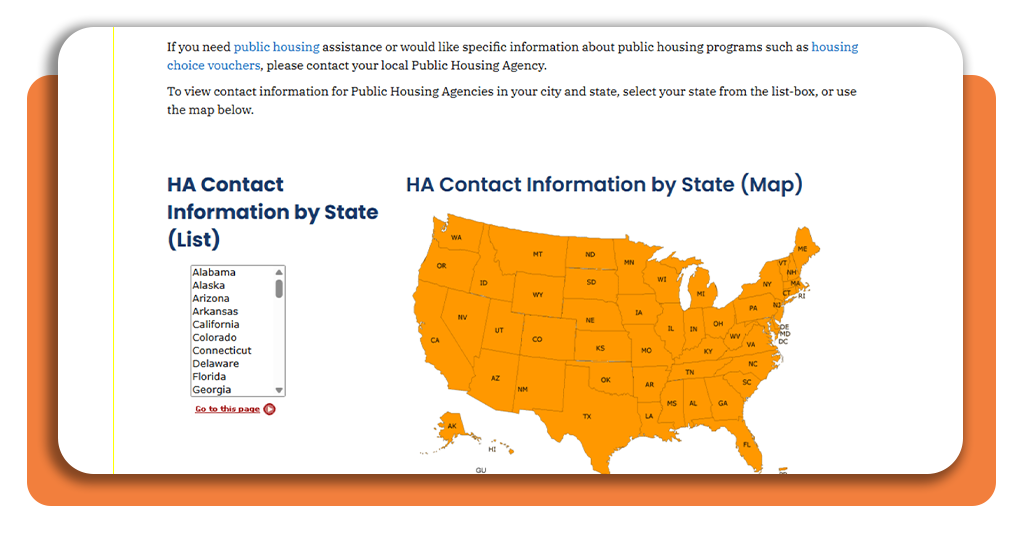
Step 1: find your local Public Housing Agency (PHA)
The first step is identifying the housing authority responsible for your area.
Local PHAs determine eligibility, manage waiting lists, and process applications for Housing Choice Vouchers.
Visit your local PHA website or contact its office to learn whether applications are currently being accepted and what requirements apply in your location.
Step 2: check if you meet the eligibility requirements
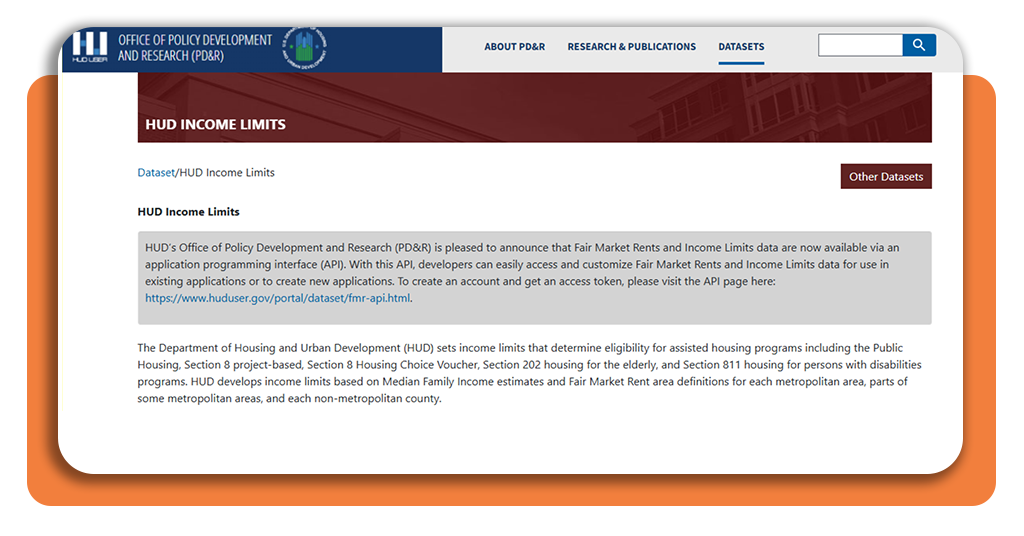
Before applying, review the main factors used to determine eligibility.
Housing authorities generally consider your household’s annual gross income, family size, and whether you or your household members meet citizenship or eligible immigration status requirements.
Income limits vary depending on the county or metropolitan area where you apply.
Step 3: submit your application when the waiting list is open
If your local PHA is accepting applications, complete the Section 8 housing benefit application online or through the method provided by the agency.
Some waiting lists close when there are more applicants than available resources, so checking the PHA website regularly is important.
Being placed on a waiting list does not mean you will receive immediate assistance, but it is the required step to be considered for a future voucher.
Step 4: respond to requests and wait for voucher approval
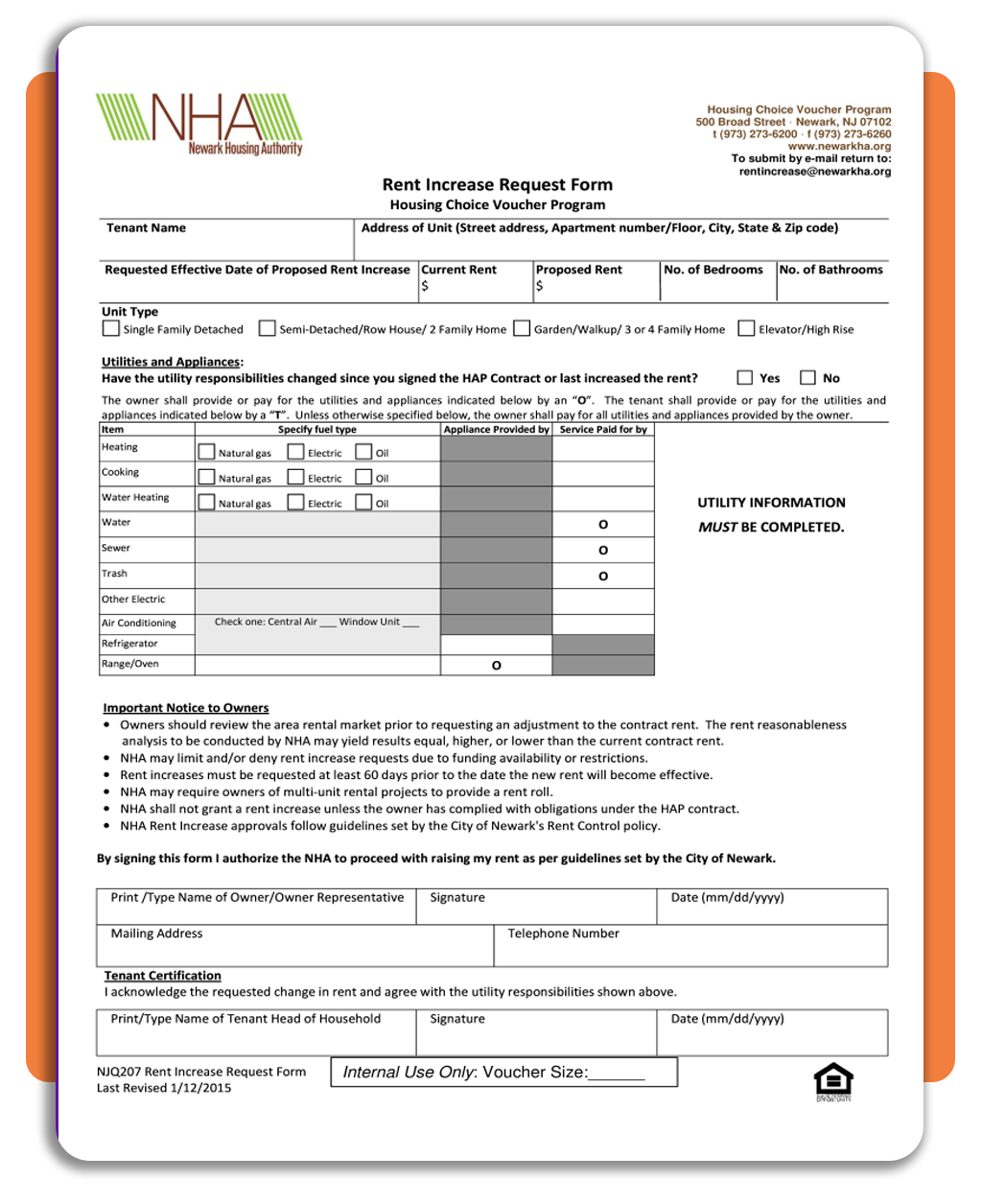
After applying, keep your contact information updated and respond quickly if the housing authority requests additional documents.
If your name reaches the top of the waiting list and you qualify, the PHA will contact you about receiving a housing voucher.
After approval, you can search for eligible private housing that meets program requirements, while the PHA pays its portion of the rent directly to the landlord.
Housing voucher amounts, payment schedules, and waitlist timelines
The value of the Section 8 housing benefit is not the same for every household. Voucher amounts depend on factors such as household income, family size, local fair market rents, and housing authority guidelines.
In high-cost areas, vouchers may cover a larger dollar amount because rental prices are significantly higher.
Conversely, smaller subsidies may apply in areas with lower housing costs. Regardless of location, participants are generally expected to contribute a portion of their income toward rent.
Payment schedules are usually handled directly between the housing authority and the landlord. The tenant pays their required share while the housing authority sends its portion to the property owner.
Waitlist timelines remain one of the most challenging aspects of the program. In some communities, applicants may wait only a few months.
In others, waiting periods can extend for several years due to limited funding and overwhelming demand.
Common mistakes to avoid when applying for Section 8 assistance
One of the most common mistakes applicants make? Assuming they are automatically ineligible without checking local income limits.
Because eligibility varies by region and household size, some families may qualify even if they do not consider themselves extremely low-income.
Another frequent problem involves incomplete applications.
Missing information, inaccurate income reporting, or forgotten documentation can delay processing or result in denial. Applicants also sometimes fail to update their contact information after joining a waiting list.
Since housing authorities often communicate by mail, email, or phone, outdated information can cause applicants to miss important notifications when their names are selected.
Finally, many people underestimate how long the process can take. Applying early and remaining patient are often necessary parts of securing housing assistance.
Top banking platforms with low-income checking accounts
Managing finances effectively becomes especially important for households receiving housing assistance.
Fortunately, several financial institutions offer checking accounts designed for customers seeking low fees and simple banking services.
Online banks such as Chime have become popular because they generally avoid monthly maintenance fees and offer early direct deposit features.
Traditional institutions like Capital One and Discover also provide checking accounts with low minimum balance requirements and user-friendly mobile banking tools.
When comparing banking options, look beyond promotional offers and focus on factors such as monthly fees, overdraft policies, ATM access, and account accessibility.
A low-cost checking account can make it easier to manage rent payments, benefit deposits, and everyday expenses.
Related: for more guidance on housing assistance, visit our Section 8 Housing Guide.
Understanding the opportunity behind the program
The Section 8 housing benefit is not a quick fix for America’s housing affordability challenges, but it remains an important rental assistance program.
For households facing financial pressure, the program can provide meaningful support and greater housing stability.
The application process requires patience, preparation, and realistic expectations, especially in areas with long waiting lists.
Still, understanding the rules, gathering documents early, and monitoring local housing authority updates can help applicants navigate the system more effectively.