
The modern challenge is not a lack of productivity but a lack of presence. In 2026, the term “brain rot” has shifted from internet slang to a topic discussed by mental health professionals. Constant exposure to hyper-stimulating, short-form content accelerates cognitive fatigue, trapping many people in cycles of compulsive scrolling.
The antidote is not simply deleting an app, but perhaps embracing more analog aesthetics. Beyond vintage filters or retro trends, this movement reflects a conscious decision to prioritize tactile, real-world experiences over endless feeds—reintroducing physical rituals and slower rhythms into daily life. See how many are reclaiming the focus and satisfaction that nonstop notifications have eroded.
4.7/5
The burnout is real: how screens hijack your time
Digital exhaustion is no longer an anomaly, now it feels more like the default state.
The average person spends hours daily scrolling through curated lives, a habit that triggers a constant cycle of dopamine spikes followed by “comparison crashes”.
This hijacks our “deep work” capabilities and leaves us feeling socially isolated despite being “connected”. When your primary window to the world is a 6-inch glass screen, your perception of time warps.
Moments that should be savored—a meal, a sunset, a conversation—are often interrupted by the urge to document them for an audience. Analog aesthetics seeks to break this cycle by valuing the experience over the evidence.
- Aesthetic Room Transformation: Budget-Friendly Apps and Ideas
- Créer des photos esthétiques avec Tezza
Analog aesthetics: simple habits to enjoy IRL moments again
Reclaiming your reality doesn’t require moving to a cabin in the woods. It starts with replacing a few digital “frictionless” interactions with intentional, tactile ones.
- Paper over pixels: use a physical planner or a Moleskine notebook. The act of writing by hand activates different neural pathways than typing and prevents the “notification trap” of opening your phone;
- Physical photography: instead of taking 50 photos on your phone that you’ll never look at again, use a film camera or an instant printer. The “cost” of the film forces you to wait for the right moment and creates a tangible memory you can hold;
- Audio immersion: swap a skip-heavy Spotify playlist for a vinyl record or a complete CD. Listening to an album from start to finish encourages a longer attention span and a deeper connection to the music.
Vintage tech that makes life slower (and better)
Gen Z and Millennials are increasingly ditching the latest tech for “dumb phones” and “vintage” hardware. This is a survival tactic against digital overload, not just nostalgia:
- Dumb phones: devices that only call and text remove the temptation of social media while keeping you reachable;
- Analog watches: checking the time on your wrist prevents the “accidental scroll” that happens every time you pick up your phone to see what time it is;
- Physical clocks: using a traditional alarm clock allows you to keep your phone out of the bedroom, ensuring your first and last thoughts of the day aren’t dictated by an algorithm.
JOMO: choosing presence over notifications
While the last decade was defined by FOMO (Fear Of Missing Out), 2026 is the year of JOMO: the Joy Of Missing Out.
JOMO is the psychological reframe of analog aesthetics. Instead of feeling anxious about what is happening on the feed, you feel a sense of relief and power in choosing not to know.
Choosing presence means setting boundaries. It means a “phones-in-the-middle” rule during dinner or a “no-headphone” walk where you actually hear the sounds of your neighborhood.
Individuals who regularly practice these analog-focused breaks report a 30% improvement in attention span and a significant reduction in the “phantom vibration syndrome” (the false sensation that your phone is buzzing).
A shift that reduces social anxiety and rebuilds the “muscle” of being alone with your own thoughts.
How to build an offline routine that actually feels good
To transition into a more analog aesthetics’ life, you can actually use “digital crutches” to help you build better habits.
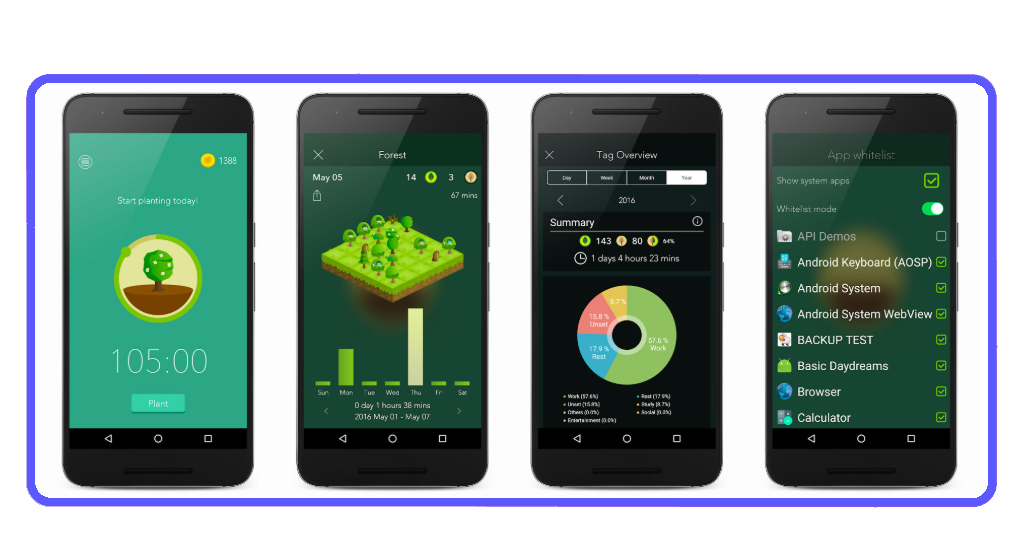
Forest: gamify your focus
Le Forest App is a powerful tool for those struggling with doomscrolling, available for both Android et iOS. The premise is simple but effective: when you need to focus, you “plant” a virtual seed.
As long as you stay off your phone, your tree grows. If you succumb to the temptation of checking social media or notifications, your tree withers and dies.
Over time, your focused sessions aggregate into a lush digital forest, providing a visual representation of your reclaimed real-world presence.
Through a partnership with the organization Trees for the Future, users can spend the virtual coins earned during focus sessions to request the planting of real trees.
To date, more than 1,000,000 real trees have been planted across the globe due to the collective focus of Forest users.
Key benefit: visualizes the beauty of focused, offline time.
BeReal: authentic connection
If you aren’t ready to quit social media, BeReal offers a middle ground.
By asking users to post one unfiltered photo at a random time each day, it removes the pressure of the “perfect aesthetic” and encourages seeing friends as they truly are in their everyday lives.
Research indicates that users spend an average of only 10 to 15 minutes per day on BeReal, compared to the 90+ minutes seen on hyper-algorithmic platforms.
This “short-burst” engagement is a key component of maintaining a healthy analog aesthetics while staying digitally connected.
Avec plus de 50 million monthly active users, the app has proven that there is a massive global market for “boring” reality over “glamorous” fiction.

4.7/5
Reclaim your reality
Embracing analog aesthetics is an act of rebellion against the attention economy.
When you choose the physical over the digital, the slow over the instant, and the real over the curated, you are reclaiming the most valuable asset you have: your attention.
And if you’re interested in more ways to blend the old with the new, explore our guide on2000s tech trends making a comeback today.