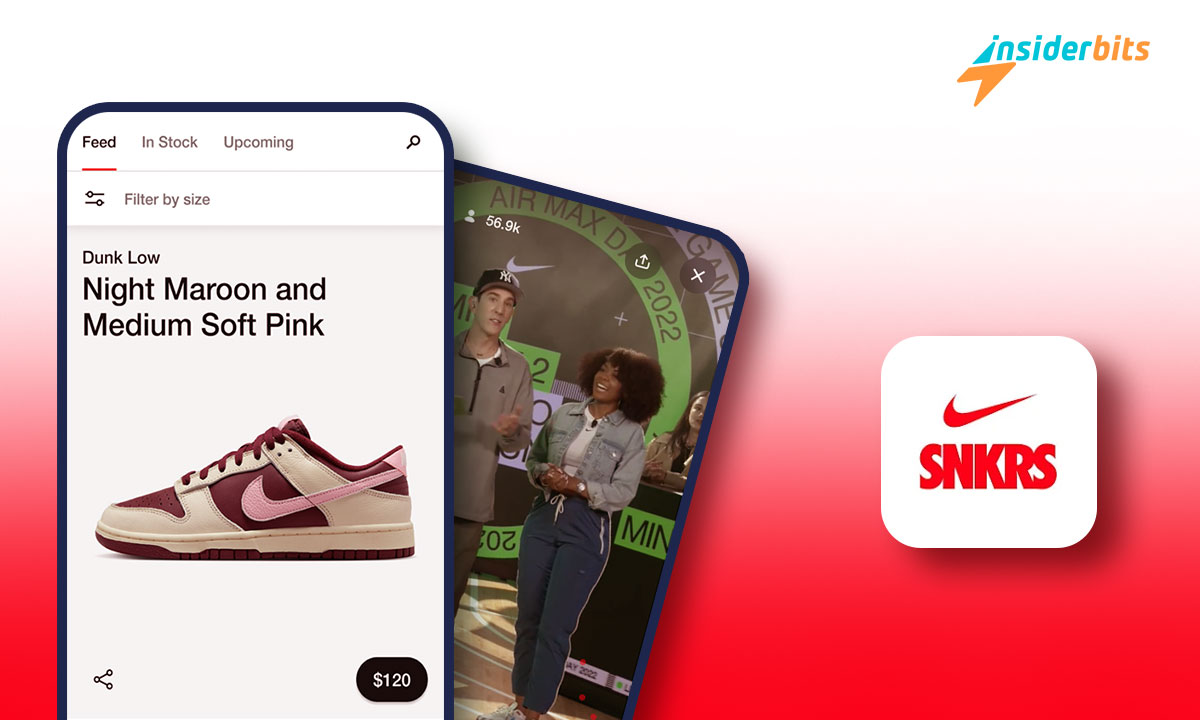
Dive into the world of the SNKRS app for Android, Nike’s gateway to the latest sneaker releases. This app brings the world of exclusive shoe drops right to your fingertips.
This review by Insiderbits takes a close look at the Nike Sneaker app, examining how it stands out in the digital world of sneaker retail and its unique offerings.
Curious about what makes the SNKRS app tick? Stay tuned as we uncover the SNKRS features that redefine sneaker shopping and why it’s a must-have for enthusiasts.
Related: Find Your Fragrance with the Sommelier du Parfum App
SNKRS app for Android: an overview
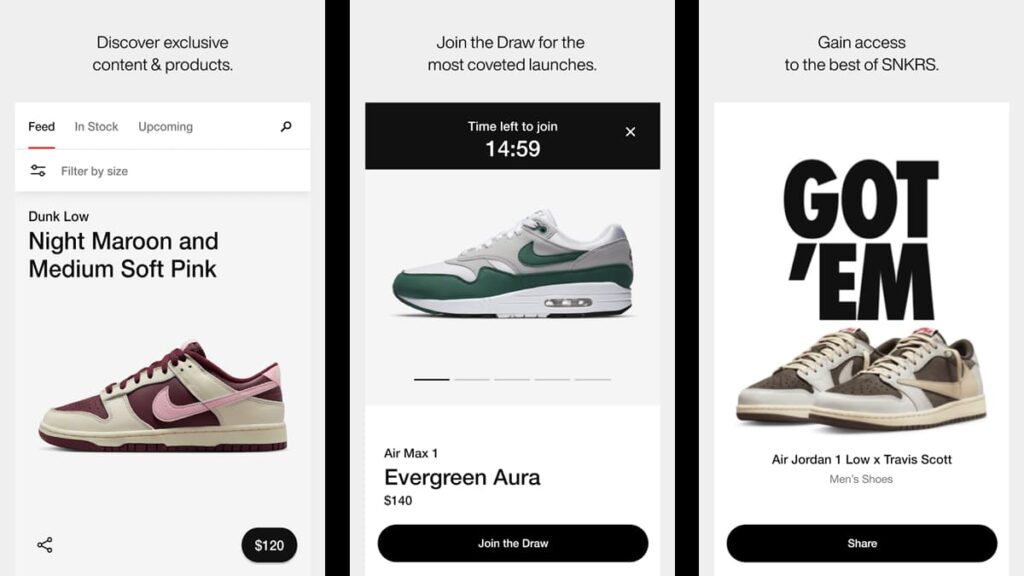
The SNKRS app for Android is your portal to the latest Nike, Jordan, and Converse releases. It’s Nike’s way of providing an outlet right into the heart of street style and sneaker culture.
With the Nike Sneaker app, you can access exclusive apparel collections and collaborations. It’s a hub for fashion-forward individuals looking for the latest trends and unique drops.
Some key SNKRS features include notifications for upcoming releases to make sure you never miss out. It’s where the excitement of the chase meets the thrill of the catch, literally.
You can also explore a world where streetwear meets storytelling. The SNKRS app offers a community space to share fashion tips and the backstories behind popular sneakers.
Another interesting feature is the integration between fashion and culture within the app. Engage with stories from athletes and explore exclusive collections for a dose of inspiration.
SNKRS Live takes the experience to a new level, offering live streams and interactive content. It’s not just about buying sneakers; it’s about being part of a dynamic community.
| Pricing: | Free. |
| Available For: | Android. |
| Size: | 138 MB. |

3.5/5
SNKRS app features
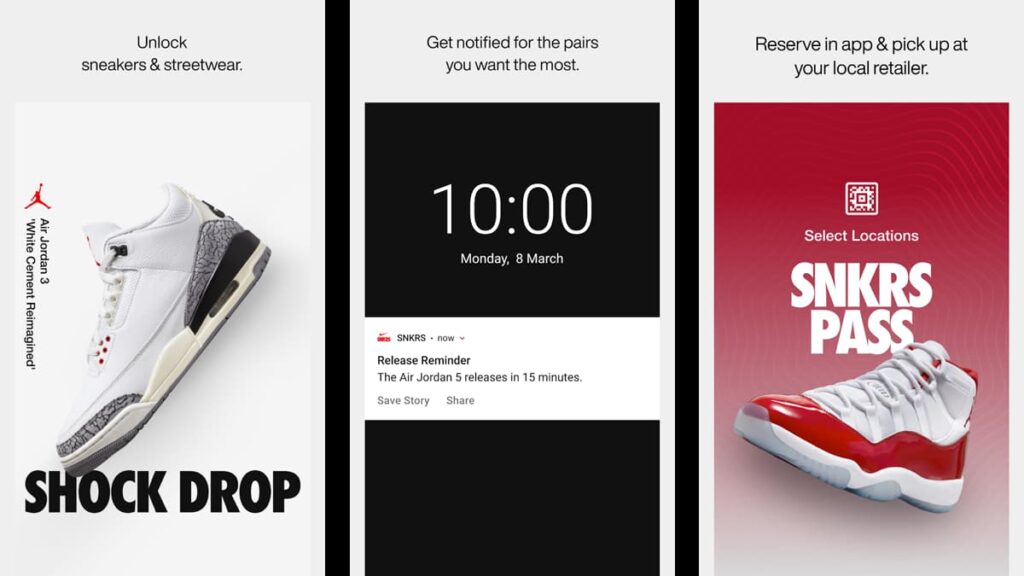
The SNKRS app for Android is your lock and key to the world of Nike, offering exclusive benefits that cater to your personal style and sneaker passion.
Whether you’re a sneakerhead or new to the scene, the Nike Sneaker app is designed to elevate your style with its unique SNKRS features. Let’s check them in depth next.
- Release Dates: Know when to buy with the SNKRS app for Android. Get timely updates on the hottest sneaker drops, ensuring you’re always ahead in the sneaker game.
- Exclusive Access: Get unique entry to high-demand Nike and Jordan releases. SNKRS features special access, letting dedicated members snag exclusive shoes.
- SNKRS Pass: Reserve sneakers and apparel in-app, then pick them up at a nearby store. A seamless way to secure your favorite items.
- Apparel & Footwear Launches: Discover and shop upcoming Nike, Jordan, and Converse releases. Stay updated with the latest trends in sneakers and apparel.
- Shop Streetwear: Build your style beyond shoes. The Nike Sneaker app offers a wide range of apparel and accessories to complete your look.
- Fashion Collections: Explore the latest clothing releases. SNKRS provides access to fresh apparel launches, keeping your wardrobe up-to-date.
- Fashion Collabs: Delve into collaborations with top brands. The SNKRS app brings together culture and fashion, featuring exclusive partnership releases.
- Fashion & Street Culture: Learn about the stories behind your favorite Nike, Jordan, and Converse products, shared by icons and athletes on SNKRS.
- Community Collections: See what sneakers mean to fellow enthusiasts. SNKRS features deep dives into personal collections of sneakerheads.
- SNKRS Live: Join live streams, get the inside scoop, and join conversations with live polling and unheard stories on SNKRS.
The SNKRS app is an essential tool for anyone keen on staying ahead in the sneaker game. It’s a comprehensive platform that offers a rich blend of fashion, culture, and community.
Whether you’re looking to cop the latest drops or dive into the stories behind iconic designs, SNKRS has everything you need to stay always in style.
Related: Sustainable Fashion: Eco-friendly Clothing Apps
SNKRS app limitations
While the SNKRS app for Android offers a simple experience, it sometimes struggles with server issues during high-demand releases, leading to frustrating delays and app crashes.
Another limitation is the app’s inventory. Despite its large collection, popular sizes and models often sell out quickly, leaving many users unable to purchase what they want.
Also, the Nike Sneaker app’s exclusive access system, although beneficial, can be a disadvantage for new users who may find it challenging to purchase highly coveted releases.
Lastly, geographic restrictions within the SNKRS app may also be a problem. Some releases are limited to specific regions, limiting global access to all sneaker enthusiasts.
How to download the SNKRS app for Android
Downloading the SNKRS app for Android is a straightforward process, ensuring you have quick access to the world of Nike sneakers.
Begin by opening the Google Play Store on your Android device. In the search bar, type “SNKRS” and press search. Look for the official Nike SNKRS app, usually listed at the top.
Once you find the SNKRS app, tap on it to view more details. Here, you’ll find information about the app’s features, user reviews, and screenshots.
To download, simply tap the “Install” button. The app will automatically download and install on your device. Make sure you have a stable internet connection to avoid any interruptions.
After the installation is complete, open the app. You’ll be prompted to sign in or create a new Nike account. This account is essential to access all features, including exclusive releases.
3.5/5
Related: Glance App – Exploring Features and Benefits – Detailed Review
How to navigate the SNKRS app for Android
Navigating the SNKRS app for Android can be an exciting journey into the world of Nike sneakers, and this detailed guide will help you make the most of it.
Home
The home screen of the SNKRS app for Android displays a personalized feed based on your preferences and browsing history. Here, you’ll see a selection that aligns with your style.
This section highlights future sneaker drops. It’s a great way to stay informed about what’s coming next so you never miss a release you’re interested in.
Browse currently available items in the “In Stock” section. This area showcases products that are readily available for purchase, from the latest designs to classic staples.
Discover
Use the “Discover” tab to search for specific Nike products. Whether you’re looking for a particular style or color, the search function in the SNKRS app for Android makes it easy.
Alongside the search, the Discover section also offers recommendations. These are based on your previous interactions and searches.
You can refine your search using filters like size, color, and price. This feature helps you quickly find what you’re looking for, ensuring a more efficient shopping experience.
Inbox
The “Inbox” tab is where you’ll receive all your notifications. These include alerts about new releases, restocks, and exclusive offers available on the SNKRS app for Android.
Set up alerts for products you’re interested in. This ensures you get notified as soon as they become available or when there’s any update regarding those products.
Here’s where you’ll stay informed about special Nike events, such as live streams or exclusive drops. The Inbox keeps you updated, so you never miss out on opportunities.
Profile
Personalize your experience by customizing your profile in the Nike Sneaker app. Add your shoe size, favorite styles, and other preferences to tailor the app to your tastes.
Your profile also gives you access to your order history. You can track your purchases, view past orders, and check the status of your current orders easily.
You can also manage your account settings from the Profile tab. Update personal information, change preferences, and adjust notification settings to improve your experience.
SNKRS app for Android: the verdict is in
Our SNKRS app for Android walkthrough reveals how this app stands out in the sneaker retail space, blending fashion, culture, and technology seamlessly.
This analysis is brought to you by Insiderbits, your trusted source for in-depth app reviews and digital trends. We’re always ready to offer insights into the latest apps and technology.
Hungry for more? Browse through our other articles, where we unravel the complexities of apps and platforms. Join Insiderbits to discover the ever-evolving digital world around us.