
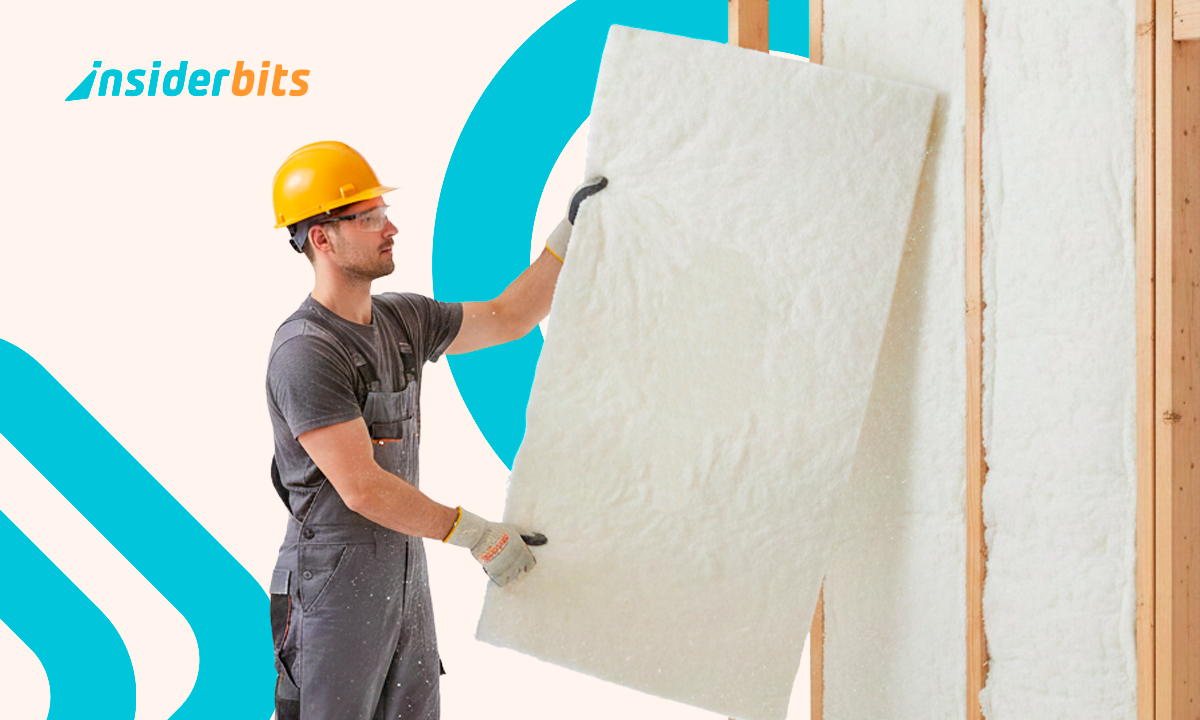
Older homes and poorly insulated spaces can hide problems that inflate energy bills without you noticing, because they cause heating and cooling systems to work harder than necessary. Heat loss and inefficient airflow, for example, tend to accumulate gradually, and small structural issues can become persistent expenses that strain household budgets.
That’s why weatherization assistance exists. This program addresses these inefficiencies at their source, offering targeted improvements that strengthen home performance without placing an additional financial burden on residents. Below, you will read about how to request it locally, and how to get upgrades that will improve comfort, reduce energy waste, and stabilize monthly costs.
- Best DIY Home Repair Apps
- Phone repair course online: learn the essentials from anywhere
- Car repair cost estimator: Check fair prices and avoid being fooled
What is Weatherization Assistance?
Many homes lose energy through small structural weaknesses that go unnoticed, and these inefficiencies force heating and cooling systems to work harder
Some issues, like poor insulation and air leaks, can increase utility costs without improving comfort.
Nevertheless, weatherization assistance addresses this problem through home upgrades aimed at reducing energy loss rather than subsidizing bills temporarily.
The goal is to improve how a residence performs as a system, strengthening insulation and sealing problem areas so energy use can be way more efficient.
Access to this support is managed locally so residents are usually directed through trusted referral services like 211 that connect households to active programs in their area.
Consequently, the program invests in long-lasting efficiency gains, helping households lower energy consumption steadily.
At the same time, if you apply for the program, you can improve comfort while easing pressure on monthly expenses.
See who is eligible to apply for this benefit
In summary, eligibility for the weatherization assistance program is generally tied to household income, housing conditions, and energy burden.
That happens because programs prioritize residences where efficiency improvements can meaningfully reduce energy loss and stabilize long-term utility use.
Also, income thresholds are usually set relative to household size and local standards, which means qualification varies from county to county.
With that, families already facing high heating or cooling costs often receive closer consideration when inefficiencies are evident.
Housing characteristics matter as well, since older buildings or properties with visible insulation issues tend to qualify more easily.
Another factor that is worth knowing is that both renters and homeowners may be eligible, depending on program rules and landlord participation requirements.
To get a clear alignment between household conditions and the weatherization assistance program goals, you need to access the 211 Housing Expenses official page.
Conditions and required documents
To begin with, applications tend to require confirmation that the household meets local income guidelines and that the property qualifies for efficiency improvements.
Therefore, agencies assess current living conditions and energy use to ensure proposed upgrades align with program objectives.
In order to check eligibility, documents are required, and these include identification, proof of residence, and recent utility bills that show energy usage patterns.
Also, income verification for household members helps establish eligibility according to county thresholds and funding rules.
Pay attention, because some programs request landlord consent for rental properties or additional records following a home assessment.
To summarize, make sure you have all documents prepared in advance to streamline review and reduce delays during periods of high demand.
Step-by-step guide to applying for home thermal insulation assistance
- Step 1: to begin with, check availability in your county, since weatherization assistance depends on local funding cycles and climate priorities;
- Step 2: after checking, use 211 to identify active programs tied to weatherization and energy efficiency near your ZIP code;
- Step 3: it is extremely important to read eligibility rules carefully, so you can confirm income limits and property type requirements;
- Step 4: gather documentation such as proof of residence, identification, recent utility bills, and income verification for all household members;
- Step 5: after that, submit the application through the county agency or partner organization responsible for insulation services;
- Step 6: now, all you have to do is wait for approval and installation scheduling, which may vary according to demand and contractor availability.
Learn what the program covers
Before applying, it is important to check what the program covers. Now, Insiderbits will explore that so you’ll know if the weatherization assistance program is useful.
That said, coverage centers on improvements that reduce energy loss and improve how a home retains heat or cooling across seasons.
It’s important to notice that the program doesn’t focus on cosmetic changes, as the program targets practical upgrades that directly affect efficiency and comfort.
Common measures include improving attic insulation and addressing air leaks that allow temperature transfer. These adjustments help stabilize indoor conditions.
Many programs also include basic safety checks connected to energy performance, ensuring upgrades improve efficiency without creating safety concerns inside home.
In some cases, minor repairs that support insulation effectiveness are included when deficiencies undermine performance.
Lastly, you need to know that coverage varies by county and property condition, making local guidelines essential for understanding which improvements apply to each household.
Weatherization Assistance: Request Free Minor Repairs for Your Home – Conclusion
Energy inefficiency can hide in small structural details, but weatherization assistance addresses these hidden issues at their source.
The program offers practical improvements that strengthen how a home performs by combining insulation upgrades with targeted minor repairs.
That long-term impact helps households maintain stable utility costs while improving living conditions without added financial strain.
Related: Find Reliable Emergency Financial Assistance Programs Fast
Enjoyed this article? Save Insiderbits to your favorites and discover the most useful tech tips!