

The process of buying a home often begins with excitement. In that environment, buyers tend to stretch their numbers just enough to “make it work,” convincing themselves that the monthly payment looks manageable on paper. The tension usually appears later, when property taxes adjust, insurance premiums rise, HOA fees surface, and maintenance costs enter the picture.
What once felt affordable in a mortgage estimate can quickly feel restrictive in daily life. Then, you notice home affordability is not simply about qualifying for a loan, it is about sustaining a payment without sacrificing stability. With these calculators, you can reframe the process by defining a more realistic ceiling before speaking to a lender, ensuring long-term control.
The “Dream Home Trap”: Why Buyers Overestimate Their Budget
We all know the search for a home usually starts with aspiration, which makes it easy to anchor expectations to the maximum price shown in a pre-approval letter.
In competitive markets, urgency amplifies this tendency, pushing buyers to stretch their numbers beyond comfort in order to secure a property before someone else does.
This is the moment when pre-approval limits are frequently mistaken for safe limits, even though lenders evaluate qualification differently from long-term lifestyle sustainability.
With that, a payment that technically fits debt-to-income ratios may still compress savings and heighten monthly stress once maintenance and property taxes are added.
There’s also an emotional component that influences budgeting decisions, with buyers justifying higher payments with projected raises or future refinancing assumptions.
One of the most important steps is recognizing this dynamic early, so home affordability numbers keep the ceiling grounded in stability.
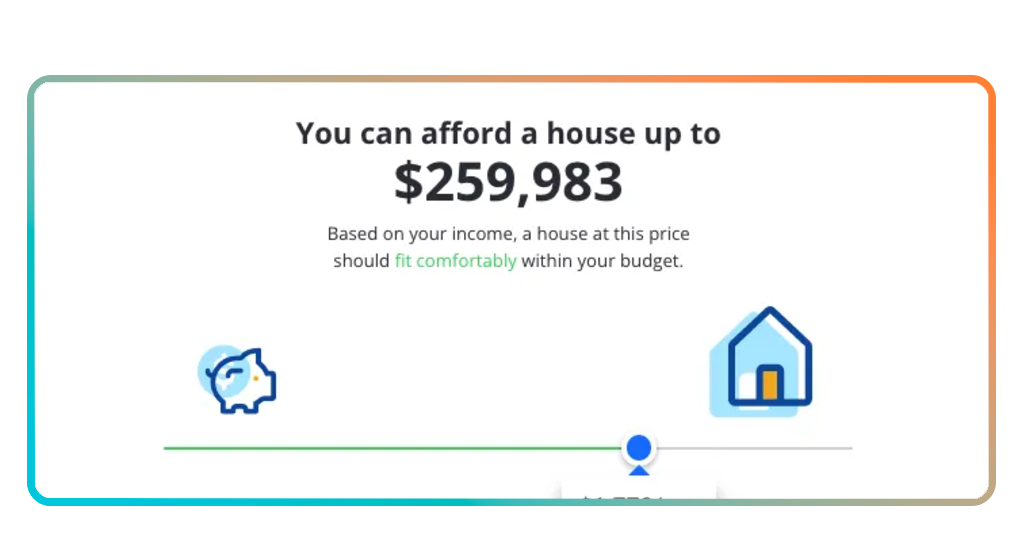
This Home Affordability Calculator Estimates Your True Limit
If you still don’t know, a home affordability calculator shifts the focus from the maximum loan amount a lender might approve to the payment that realistically fits everyday life.
Consequently, you don’t need to anchor decisions to pre-approval letters, as the calculator incorporates income, recurring debts, projected taxes, and insurance into one integrated projection.
Today, Insiderbits is highlighting Zillow (iOS/Android) and Rocket Mortgage (iOS/Android), two apps that allow users to test affordability scenarios before entering formal applications.
These apps work by adjusting variables like down payment size or loan term, so buyers can see how small changes reshape monthly obligations and long-term cost.
What distinguishes this approach is the emphasis on sustainability rather than qualification.
The calculator does not aim to push buyers toward the highest possible number, but to reveal a ceiling that preserves flexibility for daily expenses.
In short, having clarity at this stage protects you from committing to payments that look feasible on paper yet strain real-world budgets.
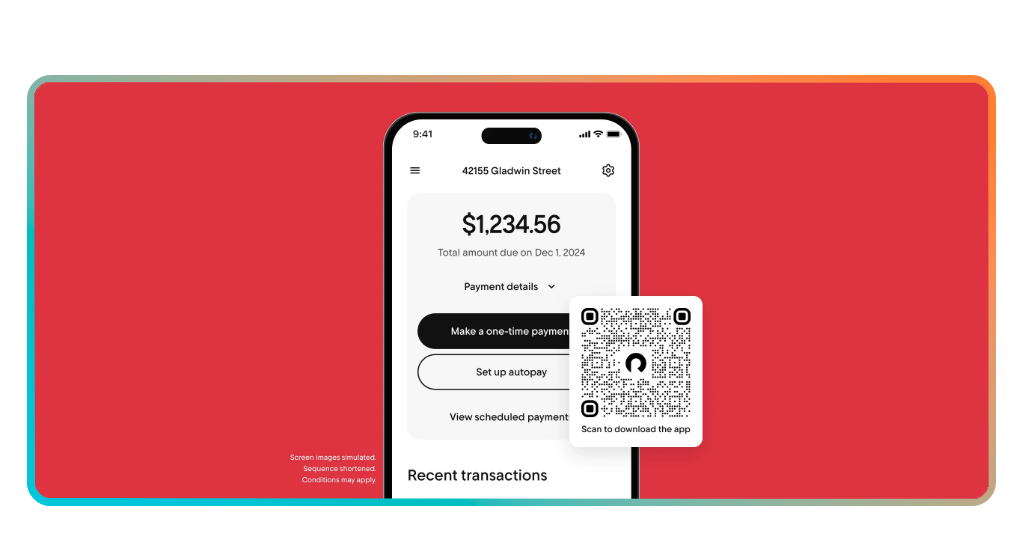
Zillow
When affordability is simulated within Zillow (iOS/Android), the analysis operates as a forward-looking scenario tool anchored to active property listings.
It integrates estimated income, projected mortgage payments, taxes, and homeowner’s insurance assumptions into a single projected monthly figure that updates as users browse homes.
Zillow’s modeling environment allows buyers to adjust price ranges while immediately visualizing how those changes alter monthly obligations.
Although the figures remain estimates, Zillow strengthens early budgeting discipline and highlights the financial implications of incremental price differences across neighborhoods.

Rocket Mortgage
In contrast, Rocket Mortgage (iOS/Android) approaches affordability from a lender verification standpoint that mirrors institutional underwriting workflows.
The app guides users through financial disclosures, involving income documentation, debt obligations, credit profile indicators, and asset verification.
So, instead of projecting theoretical affordability, the system refines borrowing capacity according to lender criteria and real credit parameters.
This transition from exploratory modeling to qualification analysis transforms assumptions into lender-aligned eligibility metrics that approximate actual approval conditions.
For buyers who have already tested affordability ranges elsewhere, this stage explains how income stability and documentation quality translate into a concrete financing threshold.

4.9/5
A Quick Checklist: Income, Debt, Down Payment, Interest Rates
At its core, home affordability calculations rely on a few key variables that interact in ways many buyers underestimate.
Therefore, reviewing them deliberately before entering the market prevents surprises later during underwriting or after closing.
Firstly, income sets the outer boundary, yet lenders and budgeting tools examine gross monthly earnings alongside stability and consistency.
Meanwhile, bonuses or commissions may be treated differently than fixed salary, which influences how much of that income counts toward qualification.
Existing debt shapes the equation just as strongly, since credit cards and loans reduce the margin available for housing.
The widely referenced 28–36 framework, cited in industry guidance such as Bankrate, illustrates how debt-to-income ratios limit sustainable borrowing.
Then, down payment size and interest rates determine how much principal must be financed and at what cost.
Run 3 Scenarios Before You Talk to Any Lender
It is rare for a single home affordability estimate to capture the range of outcomes available in a changing rate environment.
That’s why testing multiple configurations before contacting a lender reveals how flexible or constrained your budget truly is.
The first scenario might reflect your current situation, using existing income and an estimated interest rate close to market averages.
This baseline creates a realistic reference point against which other adjustments can be measured.
A second scenario could increase the down payment or reduce the target purchase price, showing how monthly obligations respond when principal shrinks.
Seeing this shift in real time highlights how modest changes alter long-term financial pressure.
A third scenario might test a different interest rate or term length, illustrating how rate volatility or repayment horizon affects total cost.
Comparing these projections clarifies trade-offs before formal credit checks or negotiations begin.
That’s it! With clear numbers in hand, buyers approach discussions grounded in defined limits and not on aspirational ceilings.
Common Mistakes That Make You “House Poor” After Closing
That “house poor” thing never happens overnight, however, it begins with approving a payment that fits lender guidelines but stretches daily cash flow too tightly.
The pressure surfaces once recurring costs beyond the mortgage enter the picture, narrowing the margin for savings and unexpected expenses.
One common mistake is calculating home affordability based solely on principal and interest while underestimating escrow components such as property taxes.
Another misstep involves overlooking maintenance, repairs, and association fees that accompany ownership.
Unlike rent, home expenses fluctuate unpredictably, which can strain budgets that were built around fixed assumptions.
In addition, some buyers rely on optimistic projections tied to future raises or refinancing opportunities that depend on market conditions beyond personal control.
Keep in mind that avoiding these pitfalls in order to protect you from living in a property that looks ideal on closing day but limits financial flexibility afterward.
Home Affordability Calculator: Find Your Real Buying Power (Free) – Conclusion
In summary, when buyers rely on maximum qualification limits instead of realistic affordability ceilings, financial strain can replace the initial excitement of closing.
With Zillow (iOS/Android) and Rocket Mortgage (iOS/Android), you get a home affordability calculator that aligns income interest rates, and down payment assumptions within a single projection.
And running those projections early provides clarity that protects both lifestyle and savings capacity.
Related: Understanding Utility Bills: Water, Power, and Internet Made Easy
Enjoyed this article? Save Insiderbits to your favorites and discover the most useful tech tips!