In a critical situation, confusion stems not from lack of care, but from lack of organization and readiness about whom to contact, what information to share, and where essential details are stored. Usually, families assume that someone else will know what to do, but when seconds matter, uncertainty about medical history can delay response and amplify stress.
Today, we’ll explore what typically goes wrong in emergencies and how to build a setup that delivers the best level of reassurance when it matters most. Discover below an organized emergency contact system that functions as a safeguard, bringing preparation into order to reduce hesitation and improve coordination during unexpected events.
- Emergency Financial Assistance Programs: Get the Help You Need
- Emergency Housing Support: How to Find Help Fast
- Emergency Preparedness Apps: Staying Safe in Uncertain Times
What happens in an emergency when no one has the right info
During medical or household emergencies, the absence of accessible contact information often leads to fragmented communication and avoidable delays.
For example, a locked phone without emergency contacts, and even if contact is provided, uncertainty about who holds decision-making authority can complicate immediate response.
That’s because paramedics and first responders frequently rely on quick access to contact names and medical notes stored within mobile devices.
When that information is unavailable or incomplete, valuable time may be spent searching for family members or verifying critical details.
Of course, the emotional impact on relatives can be equally significant, as uncertainty intensifies stress in already urgent circumstances.
Consequently, clear and accessible contact information reassures everyone that roles and responsibilities are predefined.
Why most emergency lists fail when they’re needed
Most emergency contact lists fail because the information is difficult to access at the exact moment it is required.
For instance, a phone number written on paper inside a drawer may be helpful at home, but it is completely unavailable during a medical emergency that occurs outside the house.
Likewise, contact details saved inside a notes app or cloud document may remain inaccessible if the device is locked.
This fragmentation is what creates uncertainty under pressure. While one person may rely on memory, another one may rely on a phone contact labeled informally.
In a critical situation, this lack of uniformity slows decision-making and forces responders or relatives to search for answers instead of acting immediately.
Also, outdated information presents an additional risk. Without updates, even a thoughtfully created list can become unreliable, giving a false sense of preparedness.
Transparency is equally essential, since incomplete descriptions may not communicate who has medical authority or family responsibility.
So, using full names and clearly identified roles transforms a simple contact list into an organized response that supports faster communication.
Emergency contact setup that actually works
An emergency contact system works effectively when it combines accessibility and accuracy within the device most likely to be present during a crisis.
Maybe you don’t know but smartphones already contain built-in features designed specifically for this purpose.
Medical ID – iOS
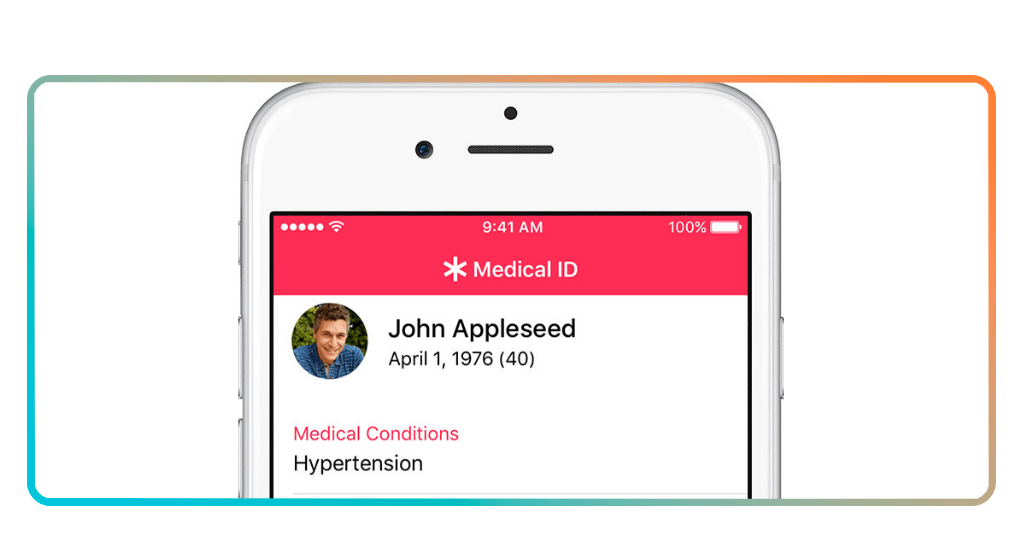
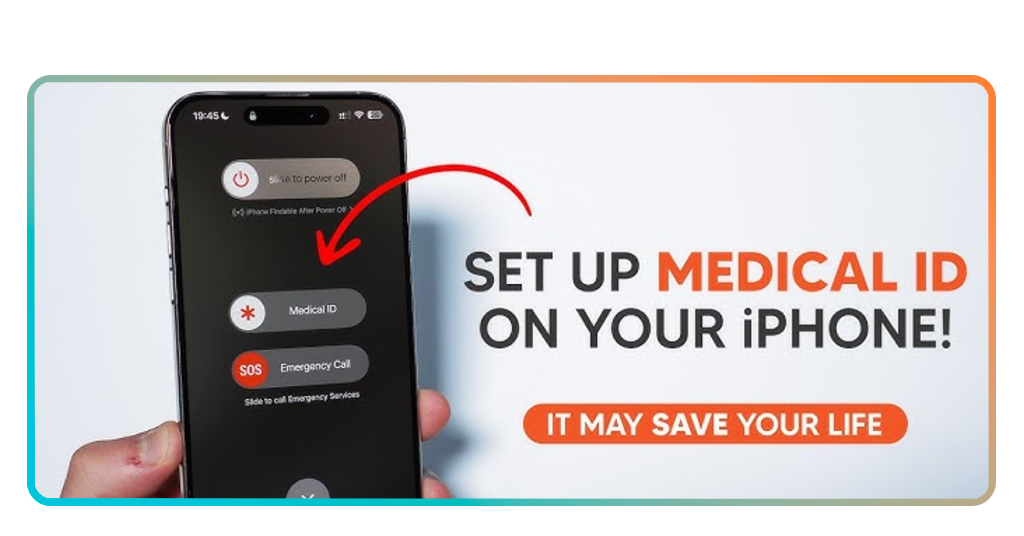
On iPhone devices, the Medical ID feature lets users enter their emergency contact, medical conditions, allergies, blood type, and other relevant notes accessible from the lock screen.
All of this is available through the Health app, and it can become accessible from the lock screen through the Emergency option.
Once configured, selected contacts can receive automatic notifications when the Emergency SOS feature is activated.
Emergency Information – Android
On Android devices, the Emergency Information section is located within system settings.
Once enabled, users can input medical details and designate an emergency contact that is viewable from the lock screen through the Emergency call interface.
This setup ensures that even if the phone remains locked, responders can identify key contacts and health information without navigating through apps or private folders.
Ready.gov
Beyond device configuration, broader planning tools such as Ready.gov provide templates for building family communication plans that extend past mobile settings.
These resources guide households in defining meeting locations, backup contacts, and coordination strategies in case primary communication channels fail.
When phone-based emergency contacts are combined with a household communication plan, preparation moves from fragmented lists to an integrated response framework.
Ultimately, centralizing this information within built-in system features ensures that essential contacts remain visible, current, and immediately actionable when seconds matter most.
Test access, clarity, and response time
When it comes to preparation, it should include testing whether emergency information is truly accessible under realistic conditions.
That said, lock your phone and verify that emergency contacts appear correctly on the screen without requiring authentication.
Also, review contact names for clarity, including full names and relationship descriptors, so responders can identify appropriate next of kin quickly.
And remember to confirm that phone numbers are current and that listed contacts understand their role if called as well.
Another good test is simulating a quick review exercise with family members to ensure that everyone knows where to find and how to use the emergency information feature.
Protect your family from confusion when seconds matter
In the end, organizing your emergency contact requires only a few minutes, but it significantly reduces uncertainty during critical moments.
When contact information is accurate, families gain confidence that they can respond efficiently if an unexpected event occurs.
This preparation does not eliminate emergencies, but it transforms response from reactive guesswork into informed action.
Emergency Contact: Would Your Family Know Who to Call? – Conclusion
Emergencies test preparation, and the difference between hesitation and coordinated action often depends on how clearly contact information has been organized in advance.
A properly configured emergency contact setup requires only a few minutes, and that includes accurate data and predefined roles to get a controlled sequence of actions.
Take time today to review your emergency contact. Preparation does not eliminate emergencies, but it ensures that when they occur, your family will know what to do.
Related: Best Apps to Identify and Block Spam Calls
Enjoyed this article? Save Insiderbits to your favorites and discover the most useful tech tips!