

Last-minute mailing turns a basic task into unnecessary hassle. To pay bills through the US Postal Service, you only need preparation, postage, and a few minutes to spare.
Utilities, rent, credit cards, and more still accept mailed checks without complications. Following simple habits keeps things on track without rushing or wondering if it was sent correctly.
This is a guide by Insiderbits made for practical routines. Keep reading and learn how to send bill payments by mail with ease, order, and total peace of mind.
Related: Virtual Mailboxes: Save on Business and Personal Mail
What types of bills can be paid by mail?
Paying bills by mail remains part of daily life for many households. Before mailing anything, it helps to understand which expenses commonly accept checks and paper payments.
Utilities, housing costs, financial statements, and public services still provide mailing options. Knowing what qualifies for mail payment helps avoid returns, delays, or misdirected envelopes.
To pay bills through the US Postal Service effectively, start by identifying which companies and services still allow mailed payments and clearly list a valid billing address.
Utility and energy payments
Gas, electric, water, and trash services accept mailed checks without issue. Most bills arrive monthly and include return envelopes, payment stubs, and mailing addresses printed clearly.
Always verify the account number on your check. Including the stub helps ensure your payment is correctly applied, even if the envelope is delayed or rerouted in transit.
Rent and housing expenses
Many landlords and property managers still request rent by mail, especially in private leases. It gives both parties documentation, physical receipts, and month-to-month consistency.
Most tenants who pay bills through the US Postal Service include a written memo with the check. This prevents confusion and avoids missed or misapplied payments later on.
Credit card statement payments
Credit card issuers usually include a pre-addressed envelope with your monthly statement. If you prefer mailing in your payment, it’s still widely accepted and trackable.
Always include the payment coupon and full account number. Use a check or money order with the issuer’s name, and mail it early to avoid late fees.
Medical and insurance bills
Health providers, clinics, and hospitals regularly send out statements with payment instructions. Mailing a check provides an additional layer of control while covering essential healthcare costs.
It’s helpful for patients who prefer to pay bills through the US Postal Service and keep copies of receipts and explanations of benefits in physical folders at home.
Government and tax payments
State and federal tax agencies accept mailed payments, especially when paired with printed forms. Local offices also process fees for parking, registration, and other civic services.
Use certified mail for deadlines or large payments. Always write identifying information clearly and avoid mailing cash to any government agency under any circumstance.
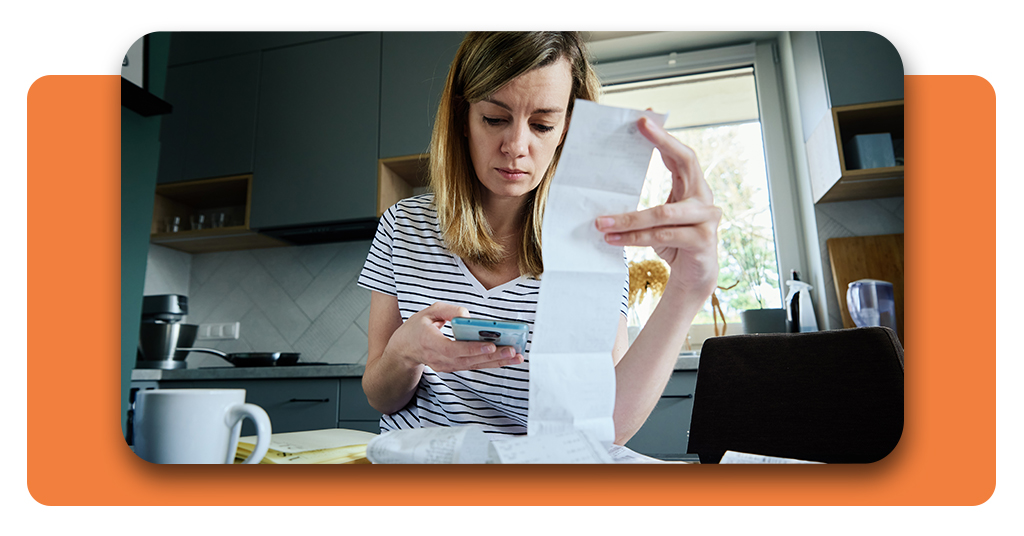
5 steps to pay bills through the US Postal Service
Bill payments sent by mail depend on small details. If any part is incomplete, there’s a risk of delays, returns, or missed due dates you didn’t anticipate.
Understanding the process makes it easier to plan ahead. Once you get used to mailing checks, the steps begin to feel familiar and create a steady billing rhythm.
When you pay bills through the US Postal Service correctly, it helps to follow a method that avoids common errors and keeps your payments moving safely from start to finish.
Step 1: fill out the check for the bill amount
Use a pen with dark ink and write clearly. Include the full amount, the company name, and your signature to complete the check properly.
Don’t forget the memo line. That small space should include your account number or billing reference to help the recipient apply your payment without any issues.
Step 2: place the check in the official envelope
Most billing statements come with an envelope, but if not, use a plain white one. Always match the mailing address exactly as printed on the bill.
When you pay bills through the US Postal Service, placing the check and payment stub together prevents processing issues and keeps everything aligned with the company’s instructions.
Step 3: identify the sender
Write your full name and return address clearly in the top-left corner. If the payment gets returned for any reason, it’ll come back to you safely.
Some envelopes already have a return window. If not, use a pre-printed label or write your details by hand in legible letters using a permanent pen.
Step 4: place the appropriate stamp on the envelope
Weigh your envelope if it includes extra pages. Most letters need a Forever Stamp, but heavier mail may require an additional ounce stamp to avoid rejection.
Including correct postage helps ensure you pay bills through the US Postal Service without delays. Insufficient stamps risk being returned, which may lead to late fees or missed deadlines.
Step 5: mail the mail to the post office
You can drop it in a USPS mailbox or hand it directly to a clerk. Choose whatever gives you more peace about its final destination.
For added security or tracking, consider using Certified Mail. Otherwise, sending early and keeping your own records provides a dependable rhythm for mailing monthly payments.
Related: Get Help Paying Utility Bills: Apply Today
Examples of stamps for each type of letter
Choosing the correct stamp depends on weight, delivery speed, and tracking needs. Using the wrong postage could delay your payment or send it back to you.
Each type of stamp serves a distinct function. A Forever stamp won’t cover everything, so it’s helpful to know when extra postage or special services are required.
When you pay bills through the US Postal Service, selecting the right stamp protects your envelope, ensures processing, and helps meet deadlines without last-minute surprises.
Standard letter Forever stamp
This stamp covers one ounce of First-Class Mail. It never expires, even when rates change, and works well for basic payments with one check and stub.
Use it for most utility bills, medical invoices, or rent when the envelope holds only standard paper. No weighing needed if your contents stay light and flat.
Additional ounce stamp usage
If your envelope includes multiple pages, a second stub, or notes, use an extra ounce stamp to avoid underpaying postage and risking a return.
To pay bills through the US Postal Service accurately, weigh your envelope or ask a postal clerk. Every additional ounce requires its own stamp to qualify for delivery.
Certified mail stamp option
Certified Mail adds tracking and delivery proof. You’ll get a mailing receipt and can confirm arrival, which is useful for legal payments or time-sensitive rent.
This option requires a special sticker from USPS plus your standard postage. It’s not a separate stamp, but it must be purchased at the post office counter.
Priority mail flat rate postage
Flat Rate stamps are ideal for larger or urgent bill payments that won’t fit into standard envelopes. They include tracking and arrive faster than First-Class Mail.
You may choose this when you pay bills through the US Postal Service and need delivery within a few days. Flat Rate includes postage and protective packaging together.
Return receipt service stamp
Adding a Return Receipt lets you receive a physical or digital signature confirmation. It’s an extra charge used with Certified Mail for peace of mind.
This service helps with disputes or proof of delivery. You’ll receive a signed postcard or email showing who received the envelope and when it was delivered.
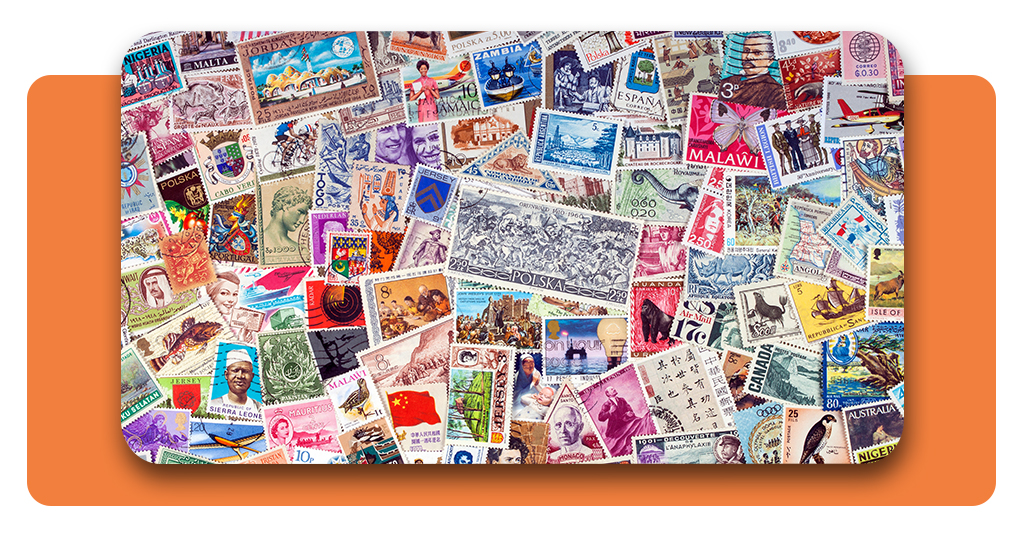
Turn mailing payments into a simple habit
Paying bills by mail still holds its place. With preparation and care, sending payments this way adds structure and helps keep everything moving in a calm, dependable rhythm.
This guide was crafted by Insiderbits as a walkthrough to help you pay bills through the US Postal Service without second-guessing stamps, envelopes, or steps that could go unnoticed.
Explore more for more from Insiderbits. You’ll find practical tips, reliable alternatives, and tools that help simplify tasks so your days feel a little more organized and manageable.