

Having a comprehensive landscaping manual allows you to approach your property strategically, balancing aesthetic beauty with long-term maintenance needs.
This landscaping manual breaks down every phase of the process—from digital layout tools and design steps to essential equipment and financial planning.

4.6/5
Which is the best landscape design and planning app for beginners?
Transforming an ordinary outdoor space into a lush, functional sanctuary is one of the most rewarding home improvement projects you can undertake.
However, stepping into your yard with big ideas and a shovel without a clear plan often leads to a wasted budget, misplaced plants, and frustration.
Before buying plants or digging trenches, visualizing your vision digitally saves hours of labor and hundreds of dollars. Gone are the days when you needed expensive CAD software or drafting tables to outline a garden layout.
Today, augmented reality and mobile apps give homeowners professional-grade design tools right on their smartphones.
Among all available platforms, iScape: Landscape Design (iOS | Android) is suitable for both beginners and DIY enthusiasts.
Designed to bridge the gap between creative inspiration and real-world execution, iScape allows users to build virtual representations of their yards using actual site photos or 3D environments.
Features available in the iScape: Landscape Design platform
iScape functions essentially as an interactive, digital landscaping manual that lets you experiment risk-free. Its primary features include the following:
- 2D and 3D AR Visualizations: take a photograph of your house or yard and layer digital plants, trees, hardscape pavers, and outdoor furniture on top of it. On iOS, the augmented reality (AR) feature lets you walk through your virtual yard design in real time;
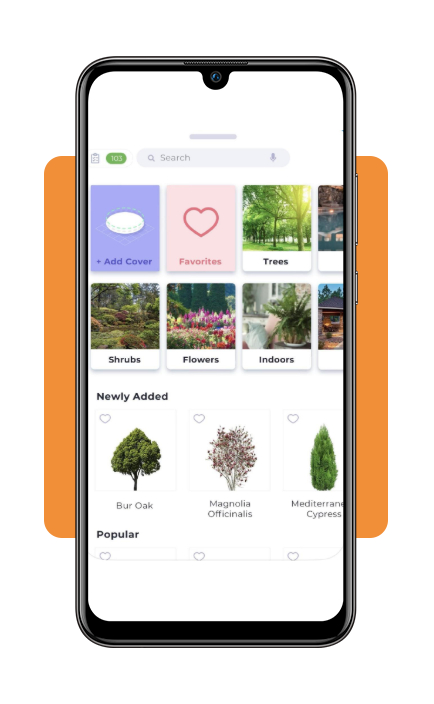
- Extensive product library: access thousands of plant species, flowers, trees, mulches, fences, water features, and patio materials;
- Automated material inventory: as you add plants and hardscape elements to your virtual layout, iScape compiles an itemized inventory list. This makes shopping at your local nursery or home center effortless;
- Collaboration: easily share your finished renders or ongoing drafts with family members, local contractors, or landscapers to ensure everyone agrees on the vision.
Step-by-step: how to visualize your dream backyard
Visualizing a cohesive outdoor space requires an orderly sequence.
Jumping straight into planting without surveying your yard’s conditions often results in poor plant growth or improper drainage. Following the landscaping manual’s process ensures your layout is both practical and durable.
For expert design guidance and creative inspiration, explore Casey Joy Lister’s garden landscaping tips before finalizing your layout.
Step 1: set up your project base
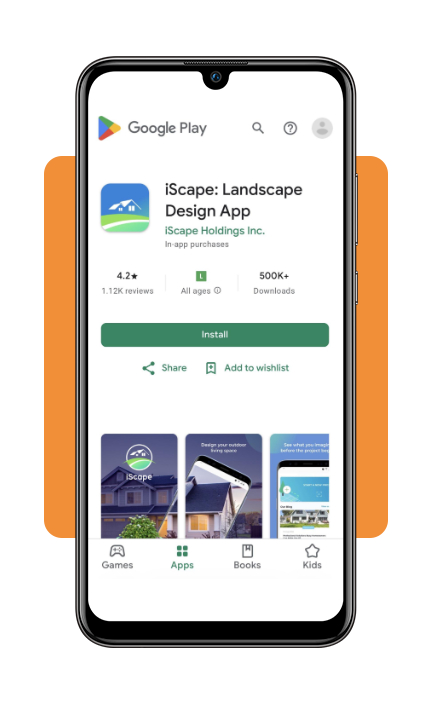
Launch iScape (iOS | Android) and start a new project. Choose ‘Start with an Image’ to upload a photo of your yard from your camera roll, or select ‘AR Mode’ (iOS) to scan your space live using your device’s camera.
- Construction worker manual: Download and always have it on hand
- Car Scanner: Free Manual to Download on Your Phone
- Furniture assembly manual: step-by-step guide app
Step 2: lay out hardscapes and boundaries
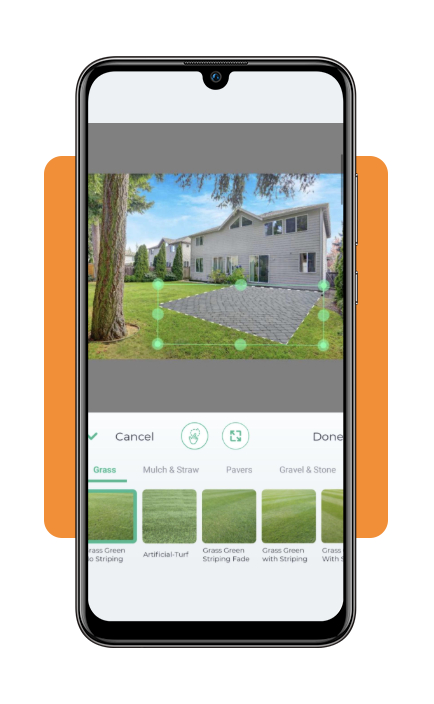
Open the app library and select hardscape materials such as stone pavers, gravel, decks, or retaining walls. Drag, scale, and rotate the surfaces onto your photo or AR plane to establish your functional patio and walkway zones.
Step 3: layer plants and softscape elements
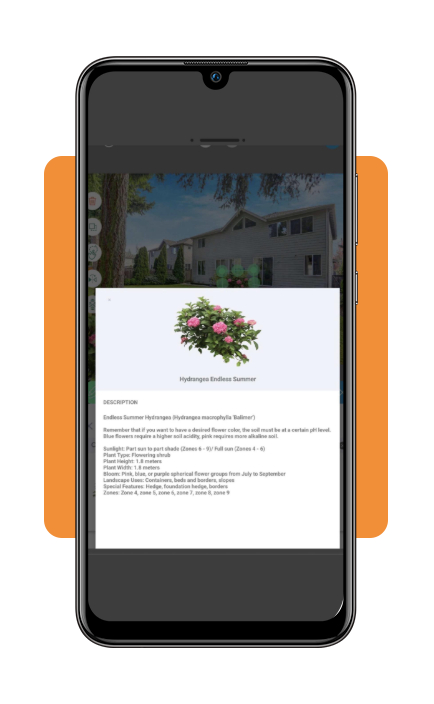
Browse the plant catalog to place trees, hedges, perennials, and ground cover.
Use pinch gestures to adjust each plant’s size to match its mature growth scale, and adjust object layers so plants sit naturally around hardscapes.
Step 4: add outdoor furniture and accessories
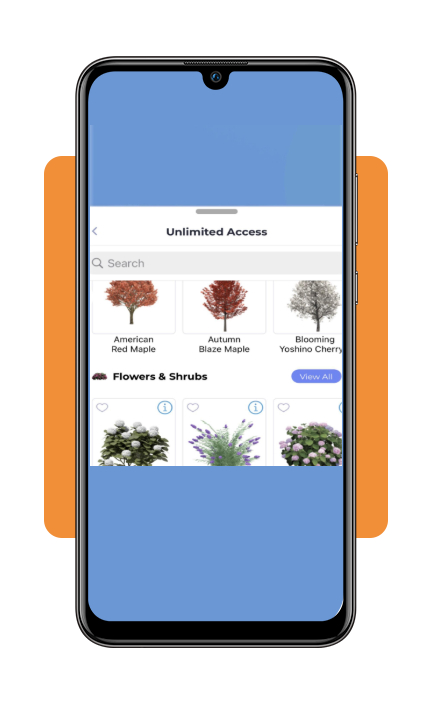
Furnish your space with outdoor seating, dining tables, fire pits, pergolas, or water features. Use the ‘Duplicate’ and ‘Flip’ tools to quickly copy matching seating arrangements or border plantings.
Step 5: test outdoor lighting and review inventory
Adjust the ‘Sun Slider’ to preview how sunlight and shadows shift across your yard throughout the day. Open the ‘Inventory List’ menu to generate a complete breakdown of all plants and materials used in your plan.
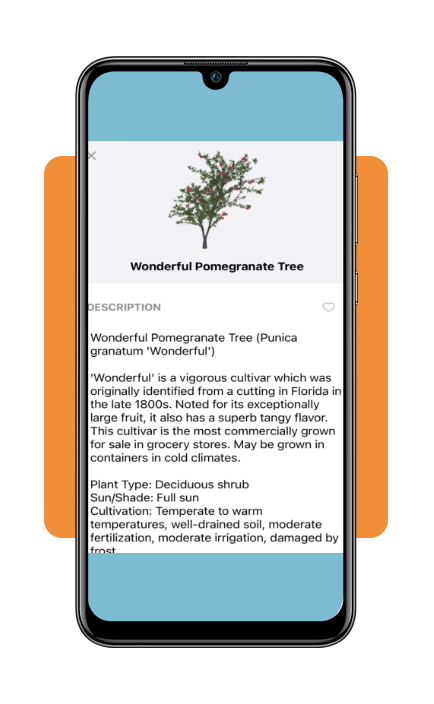
Step 6: save, export, and collaborate
Tap the green checkmark to lock in your design’s starting anchor point, add custom project notes, and save.
Export high-resolution snapshots or use the ‘Collaborate’ feature to share the interactive model with contractors or family members.
Essential landscaping and gardening tools
No landscaping manual is complete without addressing the physical tools needed to bring your blueprint to reality.
Investing in durable tools minimizes physical strain and improves efficiency across all stages of installation and ongoing care.
To discover a broader selection of recommended field gear, check out Joe Gardener’s top gardening tools for practical advice from industry experts.
If you want to deepen your horticultural knowledge alongside tool usage, consider enrolling in a master gardening free online course to hone your skills.
Digging and excavation
Essential equipment in this category includes round-point shovels, hand trowels, and mattocks.
These tools are primarily used for digging planting holes, breaking up compact soil, and creating clean, defined edges around garden beds and lawn borders.
Pruning and trimming
Key tools for pruning and trimming include bypass hand pruners, loppers, and hedge shears.
They serve the vital function of cutting plant stems, shaping shrubs, and cleanly removing dead or diseased wood to promote healthy plant growth.
Soil care and clean-up
Equipment such as garden rakes, heavy-duty wheelbarrows, and leaf rakes play a major role in routine soil preparation and property maintenance.
Their primary functions involve leveling soil beds, transporting heavy materials like mulch or stone, and clearing seasonal organic debris.
Watering systems
Watering systems rely on essential gear like soaker hoses, adjustable spray nozzles, and rain gauges.
These tools work together to monitor and manage overall water consumption effectively while delivering direct, deep-root hydration to your landscape.
How to plan your landscaping budget
Creating a realistic budget keeps your landscape project enjoyable and prevents mid-project halts due to unexpected costs.
A well-constructed financial plan functions as the economic guide in your landscaping manual, keeping materials and labor within comfortable boundaries.
For a deep dive into estimating residential yard costs, read Mountain Works Landscape’s guide to landscape budget planning.
Smart budget allocation strategy
- Hardscaping (35% – 40%): pavers, retaining walls, gravel walkways, and timber decks absorb the largest chunk of funds due to material and transport costs;
- Softscaping and plants (25% – 30%): trees, shrubs, sod, mulch, topsoil, and soil amendments;
- Tools and equipment rental (15% – 20%): purchasing quality hand tools or renting specialized machinery like sod cutters, tillers, or plate compactors;
- Contingency fund (10% – 15%): reserved for unforeseen issues such as hidden underground roots, poor drainage corrections, or unexpected irrigation repairs.
4.6/5
Turning ideas into an outdoor space you’ll love
Whether you’re working with a bare patch of soil or giving an established yard a fresh look, creating a beautiful outdoor space is more achievable than ever.
Today’s digital planning tools and practical landscaping methods make it easier to visualize ideas, avoid costly mistakes, and build with confidence.
Combining tools like iScape with a design plan, the right equipment, and a realistic budget, you can turn simple sketches into a functional, inviting landscape that adds value to your home and enjoyment to your everyday life.