

Some jobs come with fixed rates you never question, but others depend on rules you might not know. That’s where the concept of prevailing wage enters the picture.
This federal benchmark ties wages to location and job type, helping workers stay informed about what they’re owed. It exists to keep pay fair and practices transparent across regions.
This guide by Insiderbits walks you through the process with clarity and ease. Keep reading so you can check your state’s standard pay rate and know your worth.
Correlato: Build a Professional LinkedIn Profile Step-by-Step
How to check prevailing wage by job and state
Not all salaries are created equal, even for the same job. That’s why it’s important to understand how pay changes depending on where you work and what you do.
Government data makes it easier to look things up. You don’t need to guess or rely on random websites. Real wage info is just a few clicks away.
With the right tools and official resources, you can really learn what’s fair in your area. It’s your right to know, and it starts with checking the prevailing wage.
What “prevailing wage” really means for workers
This term may sound complicated, but it’s actually pretty simple. It refers to the average pay workers get for specific jobs in specific regions based on official labor data.
The idea is to set fair minimums so employers stick to a standard. It helps avoid lowball offers and gives workers confidence when negotiating or job hunting.
Knowing this also helps prevent confusion about pay gaps. It gives people a reference point for real wages, not guesses. It’s a number that reflects reality, not just opinion.
Why wage research protects your earning power
When you know what people in your field make, it’s harder to be misled. You stop hoping for fair pay and start asking for what’s actually appropriate.
Salary transparency is empowering. Looking at current rates builds knowledge and gives you a reason to walk away from offers that don’t match your value.
Doing this with the prevailing wage ensures your choices are based on something real. It’s a reference that puts you in control before signing anything or saying yes.
How salary varies across states and occupations
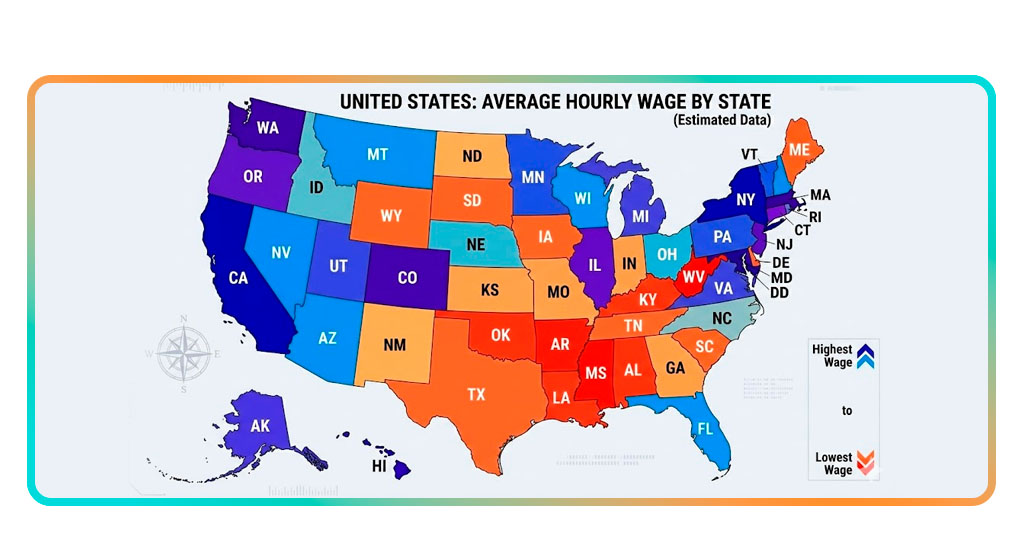
A mechanic in Florida might make less than one in Illinois. The same goes for nurses, carpenters, electricians, and dozens of other licensed or skilled professions.
This happens because labor costs, living expenses, and demand shift a lot from place to place. What’s considered low pay in one state could be competitive elsewhere.
Checking the prevailing wage helps you see those differences clearly. It prevents guesswork and shows what fair pay looks like before applying or accepting any position.

Step-by-step: find the right wage rate for your occupation
Understanding the basics makes this process much clearer. You’ll follow a simple path based on your role, your region, and the type of work being done.
Each step shows exactly where to look and what matters most. With the right focus, the system behind wage rates starts making perfect sense quickly.
Once you know how everything fits together, you’ll land on the right figures without guesswork. Find your official prevailing wage now — it’s fast and free.
Step 1: start on the Department of Labor official page
The first place to begin is the Department of Labor. It publishes trustworthy data for workers nationwide. This helps you avoid outdated numbers and gives you official information.
Once you arrive on the page, take a moment to get familiar with the layout. The menus and sections are designed to guide users to the correct tools easily.
When you feel ready, head toward the wage area. You will find links and tables that point directly to the information you need, organized neatly for quick access.
Step 2: use filters to locate your job and state
The search filters allow you to narrow everything down quickly. You choose your occupation, region, and category so the system can deliver information that actually matches your situation.
Selecting your options carefully gives you results that matter. This is also the point where you can make sure the number reflects the prevailing wage accurately and reliably.
After choosing your filters, you can compare nearby options too. It helps you understand how pay changes from state to state and why different regions list separate numbers.
Step 3: read the results and interpret wage levels
Once the table loads, you will see neatly organized amounts. Focus on the base rate first since it gives you the clearest picture of what that role typically pays.
Next, take a look at additional details like classification groups or required experience. These notes explain why some positions earn more and help you understand what each represents.
By reviewing everything carefully, you will know what the final number truly means. This helps you judge fairness and recognize the strength of the prevailing wage for your occupation.
Correlato: Need a WFH Job by Next Week? 3 Companies Are Hiring (Apply in 5 Mins)
Tips to understand federal and state differences
Some states publish their own pay scales for government projects while others follow national figures. Knowing which rules apply can shape how you interpret salary data.
State and federal systems sometimes overlap, but not always. Reading both together helps reveal how certain job types or project sizes might trigger different compensation standards.
Getting familiar with these differences lets you ask better questions when reviewing pay offers or contracts. Local rules carry weight and can shift your actual rate.
Check if your state follows federal Davis-Bacon rules
The Davis Bacon Act sets minimum pay rates for federally funded construction jobs, and these figures directly influence the prevailing wage used across many regions in the country.
Knowing your state’s approach makes a big difference. If your region follows the rule, federal wage data might be the only source you need to focus on first.
In places that don’t follow it fully, you may need both sets of numbers. Local laws can shift the requirements or add their own pay protections for workers.
Compare state wage determinations with the federal table
Each state may calculate wages differently. They might use local surveys or update less frequently. The federal table often relies on broader data and stricter methods for consistency.
By checking both sources, you can compare which figure applies to your role. This also shows where state decisions fall above or below the federal baseline in pay.
It helps you confirm which number reflects the correct prevailing wage depending on the project type or agency involved in your potential job or contract assignment.
Look for job-specific classifications in both systems
Titles can get tricky. What one list calls a technician, another might label differently. Classification names and responsibilities vary more than most people expect at first glance.
Reading the job descriptions helps more than scanning just the labels. That’s how you catch roles that are basically the same but listed under different titles or codes.
This is especially useful when you’re looking for the prevailing wage. If titles differ slightly, it’s the job details that help match the right pay to your real work.
Where to access official wage data
Finding the right numbers means starting in the right place. Instead of random blogs or forums, official government platforms keep everything clear, legal, and based on current regulations.
When you’re dealing with contracts or job offers, accuracy matters. Enter your job title and state to check your official wage rate instantly and stay aligned with verified compensation data.
Two main tools offer the best results: the Department of Labor site and SAM.gov. Both lead to updated rates tied to location, job type, and contract type.
Why the DOL database is the safest reference
Il Department of Labor publishes prevailing wage data for public use. It updates regularly and follows legal requirements tied to government-funded projects, especially in construction.
You can search by state, county, or occupation. The site breaks things down clearly so you can find what applies to your work, not someone else’s contract.
It’s the best source to avoid guessing. You’re not just looking at a number, you’re accessing the information agencies and employers are required to follow when setting pay.
How SAM.gov connects to DOL wage information
SAM.gov hosts documents related to federal contracts and grants. For many jobs, especially under government funding, this site points you toward the correct rates and classifications.
The platform often links directly to tables from the Department of Labor, showing where and how the listed amounts meet official standards, including the prevailing wage set for workers.
Using both sites together helps verify you’re seeing the full picture. One source shows the rule, and the other shows how it applies across contracts and funding levels.
Best practices for verifying updated wage data
Before relying on any number, check the date. Even small changes in yearly tables can impact your expectations, especially in regions with fast-changing labor costs or demand.
When comparing charts, focus on the location, job title, and effective date. Many errors happen when people mix counties or assume that older versions still apply today.
Reading carefully ensures the rate you’re seeing actually reflects the current prevailing wage. It’s a simple habit that keeps you ahead and avoids unexpected pay issues later on.
Correlato: Creative jobs that let you turn ideas into income
Know your value. Make every offer count!
Understanding how wages are determined puts you in control. With reliable data, you can evaluate offers with clarity and take action that supports your goals.
This guide by Insiderbits explains how the prevailing wage works and why it plays a key role in federal and state job contracts across the country.
Want more practical insights? Insiderbits has articles on government benefits, financial help, and public resources designed to support everyday decisions that impact your income.