
Skilled electricians in the US are pulling in serious money, and the demand for qualified tradespeople isn’t slowing down anytime soon. If you’ve been working in the electrical field for years and are wondering whether your skills could take you across the border and into a career that pays better, offers more stability, and opens doors you didn’t think were available to you, the electrician work visa is the piece of the puzzle that makes all of that possible.
There’s a real path to making that happen, but it takes more than just finding a job posting and sending a resume. This is an Insiderbits guide, and it covers the visa types available to foreign electricians, the licensing system you’ll need to navigate, and the application steps that actually move your case forward. Read it through, and you’ll have a solid grip on what the process demands and what a career in the US electrical trade looks like.
Correlato: Master Electrical Work and Wiring Diagrams for Free
What the electrician work visa is and what it covers
The US electrical trade is one of the most in-demand skilled sectors in the country, and foreign workers with solid field experience are very much part of that conversation.
To work legally as an electrician in the US, you need an employer to sponsor your electrician work visa, and the type of visa determines everything about your situation.
That includes how long you can stay, what kind of work you can do, and what your options look like down the road once you’ve established yourself.
Visa H-2B
Il H-2B visa is built for temporary, non-agricultural work, which makes it a natural fit for electricians brought in during construction booms, commercial builds, or high-demand projects.
Your employer handles the heavy lifting here, filing a labor certification with the Department of Labor before your petition even reaches USCIS, proving no qualified US workers are available.
Visa EB-3
Il EB-3 visa is the route for foreign electricians who aren’t looking for a short-term placement but want to build a permanent career in the US with a clear path to a green card.
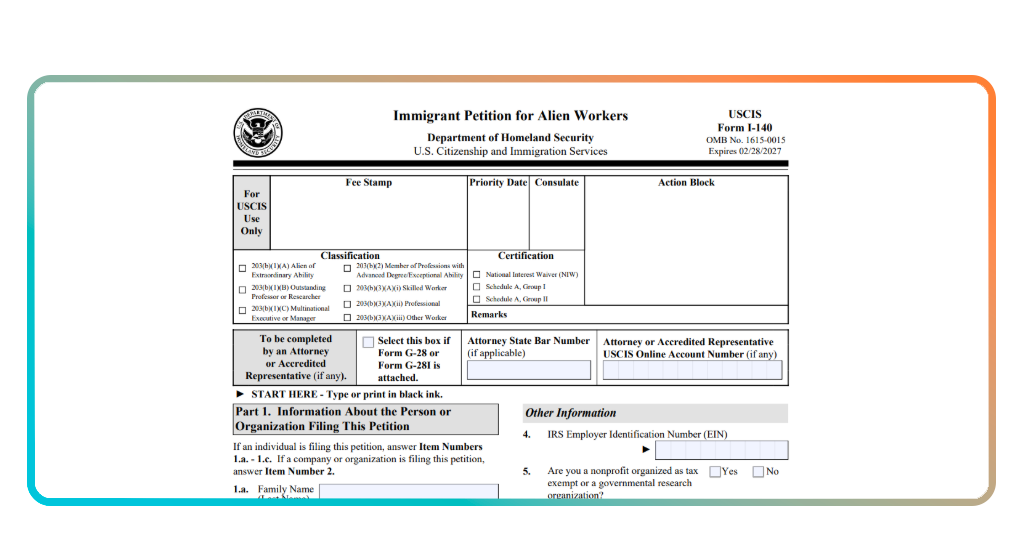
Your employer goes through the PERM labor certification process, then files Form I-140 with USCIS. Once that’s approved, you wait for a visa number to open up based on your country.
H-1B and L-1 for specialized electricians
These two visas don’t apply to most trade electricians. Still, if your background sits closer to electrical engineering, the electrician work visa conversation starts looking a little different.
Il H-1B requires a degree and a specialty occupation, while the L-1 is for workers transferring within a multinational company, so both come with a much narrower eligibility window.
Visa eligibility & how it works
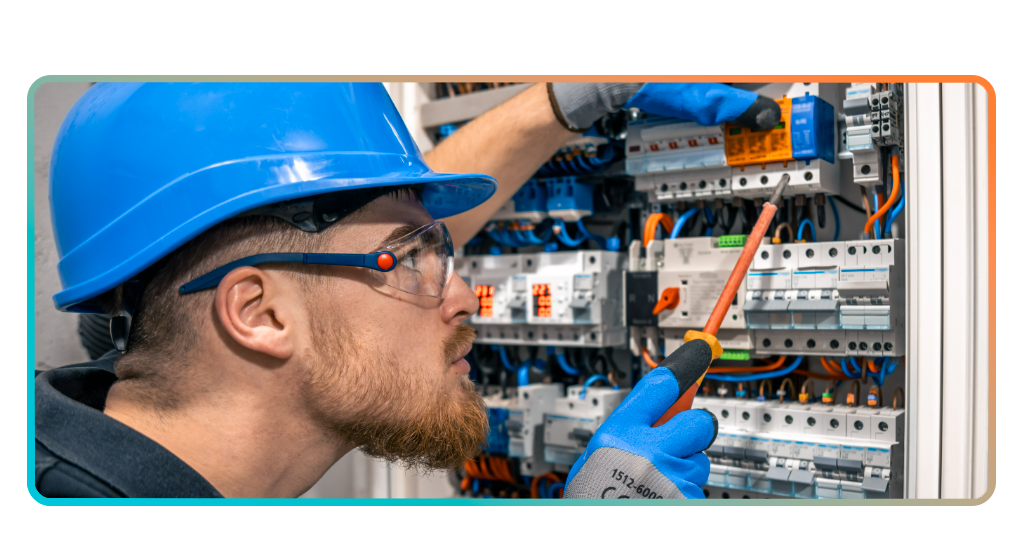
Eligibility for a US work visa as an electrician depends on your professional background, your employer’s willingness to sponsor you, and the specific visa category you’re applying under.
The requirements aren’t identical across visa types, so what qualifies you for an H-2B won’t necessarily tick the same boxes as an EB-3 application, and that distinction is important.
Foreign electricians who go into this process without knowing where they stand end up losing time, and the electrician work visa process rewards preparation far more than it rewards speed.
Qualifications US employers look for
US electrical contractors hiring foreign workers want to see documented proof of your experience, and that means years of field work backed up by records, not just a resume.
Most employers are looking for candidates who’ve worked on commercial or industrial projects, since residential experience alone rarely meets the threshold for sponsored positions.
State licensing and credential evaluation
There’s no single national electrician license in the US, so the state you’ll be working in sets the rules, and those rules vary more than most foreign applicants expect when they first look into it.
The standard path runs from apprentice to master electrician, with most states requiring around 8,000 hours of documented on-the-job training before you’re eligible to sit for a licensing exam.
The employer sponsorship requirement
Employer sponsorship goes well beyond a job offer, and the company taking you on is committing to a legal and financial process with real obligations.
The electrician work visa process puts the burden on the employer, which means the quality of the company sponsoring you has a direct impact on how fast your application moves.
Correlato: Get Paid to Learn: Electrician & Plumber Apprenticeships Hiring Now
Step-by-step: how to apply for the electrician work visa online
The application process for a US work visa involves multiple parties, and your employer plays a central role in getting the paperwork moving before you do anything.
Knowing where you fit in the process helps you stay on top of what’s happening, ask the right questions, and avoid sitting around waiting without a clear sense of progress.
Foreign electricians who treat this as a passive process tend to run into delays, and your electrician work visa application moves faster when you stay involved from the beginning.
Step 1: secure a sponsoring US employer
Large electrical contractors working on data centers, commercial builds, or infrastructure projects are your best shot at finding an employer willing to sponsor foreign workers.
Put together a portfolio documenting your field hours, certifications, and project history, because employers assessing foreign candidates want hard evidence of hands-on experience.
Step 2: have your employer file with the DOL
Your employer’s first move is to request a prevailing wage determination from the Department of Labor’s National Prevailing Wage Center at least 60 days ahead.
After that, they file for a temporary labor certification through the DOL’s Foreign Labor Application Gateway, proving no qualified US workers were available.
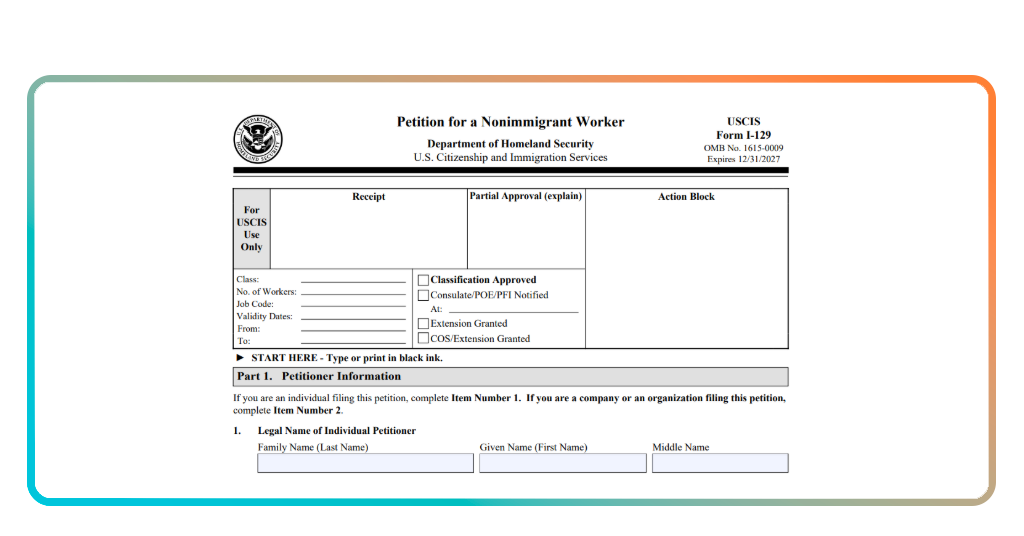
Step 3: submit Form I-129 or I-140
The form your employer submits to USCIS depends entirely on your visa category, and getting that distinction right saves everyone significant time and back-and-forth.
For the electrician work visa under H-2B, your employer files Form I-129, while EB-3 applicants go through Form I-140 as part of the permanent residency process.
Visa processing times and application costs
The time and money involved in a US work visa application vary considerably depending on the route you’re taking, and both factors deserve serious attention before you commit.
Your electrician work visa timeline is tied directly to how quickly your employer moves on their end, and delays in the DOL certification stage alone can push everything back by months.
Building a realistic budget and timeline from the start keeps you from making decisions based on assumptions that don’t hold up once the process is actually underway.
H-2B timeline and filing fees
The full H-2B process runs anywhere from 2 to 4 months total, covering the prevailing wage request, the temporary labor certification, and the USCIS petition review that follows.
On the cost side, your employer pays Form I-129 fees ranging from $460.00 to $1,010, depending on company size, plus a $500.00 anti-fraud fee and a $205.00 processing fee.
EB-3 timeline and filing fees
The EB-3 route runs longer, with the full process taking anywhere from 12 to 36 months, depending on your country of origin and where your priority date lands in the visa bulletin.
The PERM labor certification takes 6 to 12 months, followed by the Form I-140 petition at $715.00 and the Form I-485 adjustment of status at $1,440 once a visa number becomes available.
Premium processing as an option
USCIS offers premium processing on certain petitions, which cuts the adjudication time down to 15 calendar days in exchange for an additional fee paid on top of the base filing costs.
For H-2B, that upgrade runs $ 1,780 through Form I-907, while EB-3 applicants pay $2,965 to expedite the I-140 petition, and that’s the only part of your electrician work visa that it speeds up.
Correlato: Free electrician handbook: start your hands-on learning today!
Common mistakes to avoid when applying
Foreign electricians lose time and money on avoidable errors, and most come down to moving too quickly without checking what a specific state or visa category demands.
The electrician work visa process has enough moving parts that one overlooked requirement can stall your entire application, and most of those oversights are completely preventable.
Going in with a clear checklist, a realistic timeline, and a sponsoring employer who knows the process well puts you in a much stronger position.
Targeting states without checking licensing rules
Every state runs its own licensing system, and the hours, exams, and documentation required to get your journeyman or master license vary dramatically depending on where you’re headed.
Some states won’t recognize foreign apprenticeship hours at all, meaning you could arrive legally and still be unable to work until completing additional local training requirements.
Skipping credential evaluation too early
A NACES-approved credential evaluation converts your foreign certifications into something a US employer or state licensing board can actually assess and act on during your application.
Leaving that evaluation until late in the process is a costly delay, because some licensing boards won’t review your application until that document is submitted and verified.
Missing cap deadlines on the H-2B
The H-2B program runs on a hard annual cap of 66,000 visas split across two halves of the fiscal year, and filled slots mean waiting until the next cycle.
Your electrician work visa petition goes nowhere once the cap closes, so your employer needs everything ready well before the filing window opens each year.

Wire your future into the US job market
Working as an electrician in the US is a real and achievable goal, and the visa process, while demanding, is something thousands of foreigners have successfully navigated before you.
In this Insiderbits guide, we showed what the electrician work visa process looks like from the ground up, covering visa types, eligibility, application steps, costs, and the mistakes to avoid.
Continua a esplorare Insiderbits for more articles on working legally in the US, and you’ll find the kind of practical information that turns a complicated process into a manageable one.