

Some days feel ordinary until a storm alert or sudden blackout changes everything, making your preparedness score more important than expected for protecting loved ones at home. That is where Ready.gov offers practical guidance, helping you understand risks, build emergency kits, and create communication plans based on real scenarios across the country.
In this Insiderbits guide, you will assess readiness realistically while reflecting on a difficult truth: most families aren’t ready for emergencies — are you? Keep reading and find out!
Correlato: Start your ‘escape fund’ today: the app that secretly automates your savings

3.7/5
Why emergencies rarely go as planned
Emergencies rarely unfold the way you picture them. You imagine having time to react, gather essentials, and contact loved ones, then circumstances shift before preparation feels complete.
Weather systems change direction, roads close without notice, and essential services become unavailable. You expect options to remain open, then discover how quickly they disappear.
That difference between what you expect and what actually happens becomes clear when reviewing your preparedness score, revealing small gaps hidden during calm, comfortable days.
Disasters move faster than warnings
Official alerts provide valuable information, but events can escalate before everyone in your home reads the message. Conditions outside may change while phones remain untouched.
Power outages and sudden evacuation notices compress your reaction time. Preparation completed in advance determines how effectively your family responds in those critical hours.
Communication breaks down under pressure
During an emergency, networks overload and calls fail to connect. You may assume relatives know the plan, then realize no one confirmed meeting points.
Without a written communication strategy, your preparedness score reveals how easily missing contact details and backup plans weaken coordination when systems become unreliable.
Everyday routines collapse instantly
Daily routines create stability, giving structure to work, school, and family life. An unexpected event interrupts that rhythm and forces quick decisions.
When normal systems stop working, you depend entirely on what was organized beforehand, including supplies, printed contacts, and clearly defined safe locations.

- Score your first job: top 5 entry-level companies
- Check Your Credit Score for Free on Your Phone
- Score: Where Healthy Finances Meets Romance
Where most households are least prepared
You might feel ready because you bought bottled water and saved emergency numbers in your phone. Real preparation goes beyond supplies and quick reminders.
In many homes, important details stay unspoken. Meeting points are assumed, responsibilities remain unclear, and no one confirms who grabs documents or medications first.
When you look at your preparedness score honestly, hidden weak spots appear, showing where everyday habits replaced clear plans and reliable backup options.
Gaps in family communication plans
You may have talked about emergencies once at dinner, but conversations fade. Without something written down, everyone remembers a slightly different version of the plan.
A strong communication plan includes printed contacts, clear meeting locations, and an out of town person everyone can call if local networks stop working.
Missing supplies during critical hours
Opening your pantry during an outage can feel unsettling. Items you assumed would last suddenly seem limited when stores close and deliveries stop.
As you review your storage realistically, your preparedness score may highlight missing water quantities, expired medications, empty batteries, or basic hygiene items needed immediately.
Overreliance on last minute decisions
It is easy to tell yourself you will handle everything when the time comes. That belief depends on roads staying open and services remaining available.
When you rely on last minute choices, you hand control to outside circumstances. Preparation ahead of time gives your family steadier footing during uncertain situations.
Correlato: Emergency bag essentials: be ready for anything
How your emergency preparedness score is calculated
| Prezzi: | Gratuito. |
| Disponibile per: | Web. |
When you hear the word score, it might sound technical, but this evaluation simply reflects how prepared your household truly is for unexpected situations.
You answer practical questions about water, food, medications, contact lists, and meeting points, focusing on what is actually in place inside your home today.
As patterns emerge from your answers, your preparedness score forms a clear picture and gently challenges you to get ready. Think you’re prepared for emergencies? Check your score.
Questions about real life readiness
The questions focus on situations you might face at home. Do you have a written contact list, backup lighting, and enough water for several days?
You are asked about meeting locations, evacuation routes, and how children or older relatives would reach you if schools close or networks fail.
Scoring based on essential safety factors
The score is built around core safety elements such as communication plans, medical supplies, food storage, and access to reliable information during emergencies.
By connecting each answer to weighted criteria, your preparedness score highlights which essential safety factors are covered and which areas require attention.
Simple evaluation without fear tactics
The evaluation avoids dramatic language and focuses on practical gaps. This test shows how prepared your home actually is without exaggerating risks.
Instead of alarming scenarios, you receive a clear snapshot of readiness that encourages thoughtful adjustments and steady improvement inside your household.

What supplies, contacts and plans matter most
Preparation becomes practical when you focus on essentials that support your household during the first hours of disruption and the days that follow.
You do not need complicated systems. You need reliable supplies, updated contact information, and a plan every family member understands without hesitation.
When these three areas align inside your home, your preparedness score reflects real stability rather than assumptions about being ready.
Building a reliable emergency kit
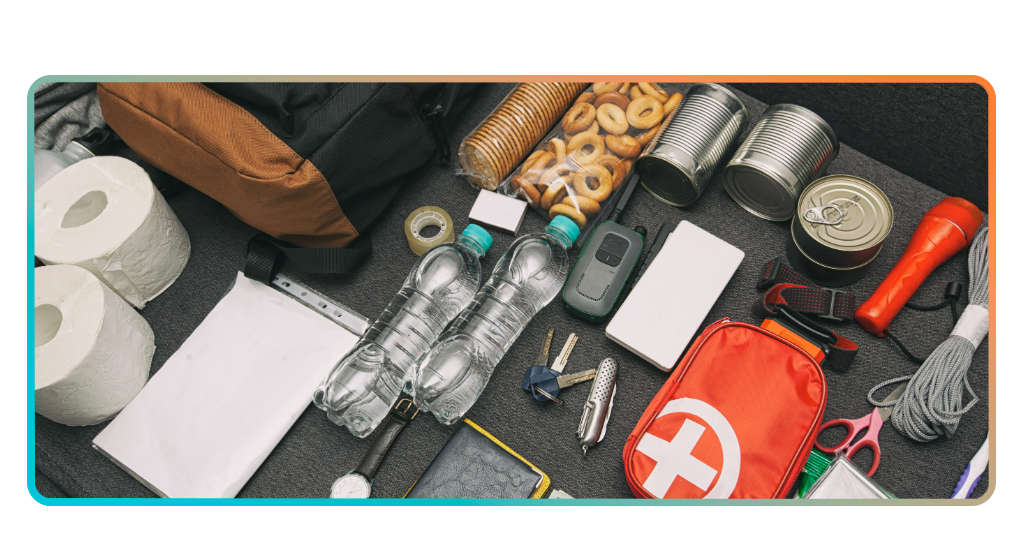
A dependable emergency kit starts with water, nonperishable food, medications, flashlights, batteries, and basic hygiene items stored in one accessible location.
You should also include copies of important documents, a battery powered radio, phone chargers, and supplies tailored to children, pets, or medical needs.
Creating a clear family contact plan
A contact plan defines who calls whom, where everyone meets, and which out of town person serves as a central communication link.
When you write these details down and review them together, your preparedness score strengthens because communication no longer depends on memory alone.
Using trusted alerts and safety apps
Accurate information shapes safer decisions during disruptions. Official alerts and verified sources help you understand risks without relying on rumors or social media posts.
Choosing reliable notification tools ensures you receive timely updates, evacuation instructions, and local guidance that supports steady action inside your household.
Correlato: Best portable solar generator for any emergency
Small changes that can make a big difference
You do not need a complete overhaul to feel more prepared. Small, practical updates inside your home can quietly strengthen your safety plan.
Think about the tasks you can finish this week. Updating a document, buying extra water, or confirming a meeting spot already moves you forward.
As you make these simple adjustments, your preparedness score begins to reflect real improvement built from steady actions you control.
Updating contacts and meeting points
Start by checking the phone numbers saved in your contacts and writing them down somewhere visible at home in case devices stop working.
Talk through meeting locations with your family and make sure everyone can describe them clearly, so no one hesitates if separation happens.
Adding one week of essentials
Check how much water, food, and medication your household currently stores, then calculate what seven full days would realistically require.
By gradually extending supplies to cover one week, your preparedness score reveals stronger coverage that supports your family through extended disruptions.
Downloading the FEMA app
Reliable information shapes safer decisions when events unfold. The FEMA app (Android | iOS) delivers real time alerts and guidance tailored to locations you choose.
Installing it gives you direct access to official updates, evacuation information, and recovery resources without depending on secondhand reports.
3.7/5
Preparedness starts with one honest check
Preparation becomes real when you turn ideas into action at home. The small decisions you make today shape how steady your family stands tomorrow.
This was a guide by Insiderbits created to help you understand your preparedness score clearly, so you can take practical steps that truly strengthen your household.
Keep learning with Insiderbits by reading more articles about being ready for emergencies, so you can continue building habits and plans that protect your family.