
Living in 2025 sometimes feels like nature’s turning off the “safe environment” switch — wildfires, smog, dust storms, urban rush hour and climate extremes all contribute to uncertain air. You check the weather before deciding what to wear. Shouldn’t you also check the air before breathing it in? Here’s where an air quality alert app becomes more than a daily tool for health.
With shifting weather patterns, seasonal allergies, and frequent pollution surges, just assuming the air is “fine enough” is no longer enough. In case you jog before sunrise, send the kids to school, or simply want a clean evening indoors, real-time updates from a trusted air monitor can prevent coughing fits, avoid triggering asthma attacks, or reduce long-term respiratory risks.

4.9/5
Why air quality matters more than ever
Air pollution has direct and immediate health consequences.
According to air-quality advocacy and health research, poor air — with elevated fine particulate matter (PM2.5), nitrogen dioxide, ozone or smoke — can trigger asthma, worsen cardiovascular conditions, and reduce lung function even for healthy individuals.
Experts recommend minimizing exposure during high pollution episodes, especially for children, older adults and people with respiratory sensitivities.
Events over recent years, from wildfire smoke drifting across states, to urban smog spikes and industrial emissions, have illustrated how rapidly air can turn dangerous.
For example, during major wildfire seasons, certain cities have recorded Air Quality Index (AQI) values in “hazardous” ranges for days, forcing school closures and outdoor activity bans.
When air becomes hostile, knowing the unseen hazard is the first step to protecting yourself. That’s why an air quality alert system isn’t about paranoia; but informed decisions.
Best air quality alert app that sends real-time alerts for you
If you’re looking for a reliable tool to monitor pollution, IQAir stands out. The app, available for both Android e iOS, aggregates real-time and forecasted air-quality data from thousands of monitoring stations worldwide.
It shows detailed breakdowns of pollutants, including PM2.5, PM10, ozone, NO₂, and provides concise health advice based on current conditions.
Users receive customizable alerts when AQI crosses thresholds that matter to them: moderate, unhealthy for sensitive groups, or hazardous.
Because IQAir draws data from validated stations and government networks rather than relying solely on user reports, its readings tend to be accurate and trustworthy.
For urban residents, commuters and outdoor enthusiasts, this means fewer surprises and more control.
When sudden events like wildfire smoke or industrial emissions push air quality off the rails, having a real-time alert system can mean the difference between a planned run and a rushed indoor retreat.
For households with children, pets, or older adults, the stakes are even higher. Continuous monitoring protects.
Track AQI levels in your city or neighborhood
The app’s map and tracking features let you zoom in from global air data down to neighborhood-level granularity.
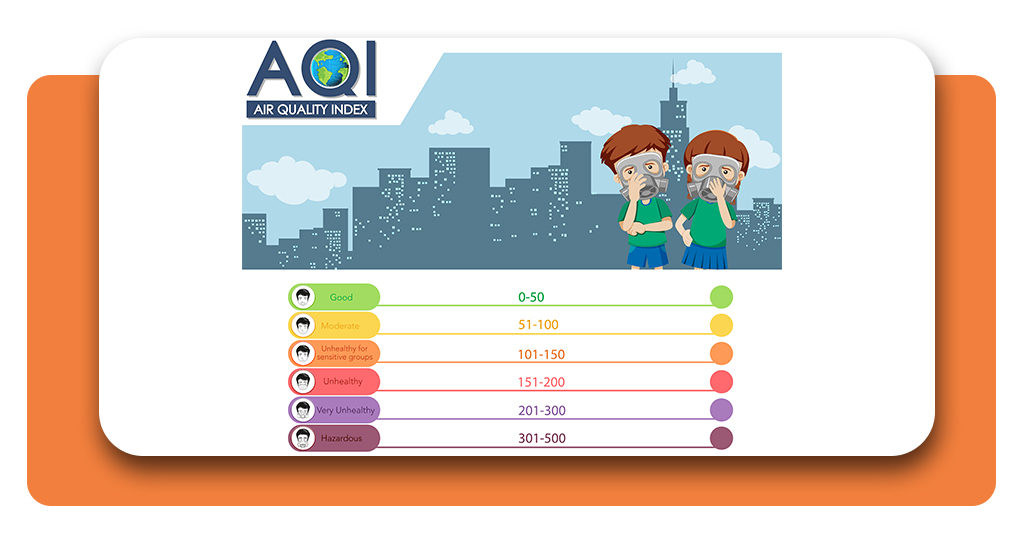
When you open IQAir, you see a color-coded map: green for good air, yellow for moderate, orange for unhealthy for sensitive groups, red for unhealthy, purple for very unhealthy, and maroon for hazardous. That gradient gives instant clarity.
Beyond instant status, you can view hourly and daily trends. Planning a run at sunrise? You can check whether the air will be safe. Expecting a smoke plume from distant wildfires? Forecast data warns you ahead of time.
And because the app also explains what each pollutant does (why PM2.5 matters, why ozone is tricky, why dust affects some more than others) it educates as it alerts. You stop guessing and start understanding.
Understanding health recommendations for each AQI range
Good air quality alert apps translate data into useful recommendations rather than just showing numbers.
Here’s roughly how typical AQI ranges translate into recommended actions (as per health advisories and public agency guidelines):
- Good (Green): safe for everyone; outdoor activities fine;
- Moderate (Yellow): acceptable for most, but persons with respiratory issues should limit strenuous activity;
- Unhealthy for sensitive groups (Orange): children, older people, asthma/allergy sufferers should reduce prolonged outdoor exertion;
- Unhealthy (Red): everyone should reduce outdoor exposure; sensitive individuals should stay indoors;
- Very unhealthy / Hazardous (Purple / Maroon): avoid all outdoor exertion; use masks or air purifiers if necessary.
With IQAir’s alert customization, you can set thresholds based on your own vulnerability; for example, always get a notification if AQI climbs above “unhealthy for sensitive groups”, or only when it reaches “hazardous”.
Customizing alerts for kids, seniors and sensitive groups
Air is not one-size-fits-all. A healthy adult jogging through smog may get away unscathed. A child with asthma? Not so much. A senior with mild breathing difficulties? Risk skyrockets.
That’s why any tool claiming to monitor or alert must allow personalization.
IQAir delivers customization upfront: you enter age, location, known conditions (asthma, allergies, cardiovascular issues) and the app tailors alert thresholds accordingly.
If you care about your children’s playground safety, or you’re responsible for elderly relatives, this functionality transforms the app from “nice to have” to “must have”.
For example: when AQI hits “unhealthy for sensitive groups”, the app can push notifications, recommend limiting outdoor time, or suggest using air purification indoors.
If conditions worsen, you get second-tier alerts with stronger warnings. Instantly, decisions that once required guesswork become clear; all driven by data, not fear.
Why monitoring air quality with an alert app matters even on “normal” days
You might think you only need such app when wildfires blaze or smog clouds rise. But air quality fluctuates daily: pollen, dust, traffic, temperature inversions, local pollution spikes.
These events often go unnoticed because we don’t see or smell them. But lungs don’t need permission, no, they react anyway. Continuous monitoring builds awareness.
- AirBrush App: Best Way to Change Hair Color in Your Photos
- AirVisual – App to monitor air quality in real-time
- Corsi di meccanica auto online: Studiare la riparazione dell'auto a casa
Over time, you start seeing patterns: maybe your street has higher particulate spikes after rush hour; maybe your child’s asthma flares right after trash collection day; maybe your workout route crosses a pollution hotspot.
With data, you can adapt, choose better routes, adjust schedule, filter air indoors, or even advocate for change. Rather than a reactive “should I go outside?”, you develop informed habits like “only run this morning if AQI is below X”.
That subtle shift can improve long-term health, reduce risk of chronic conditions, and give you control over something invisible but vital.
4.9/5
Final thoughts: set real-time pollution alerts and protect what matters
Air is the invisible threat we all share. Pollution doesn’t make a big show of itself like viruses, humidity, or weather do. It infiltrates silently, has a gradual impact, and causes damage over time.
For parents, urban dwellers, cyclists, runners, people with allergies or seniors, having a tool like IQAir is not paranoia. It’s good sense.
An air quality alert app transforms that invisible danger into visible data, actionable decisions, and preventive habits.
Check your local air quality now. Set real-time pollution alerts. Protect your family from poor AQI.