
There are few things as infuriating as staring at your own phone like it’s a stranger’s. One wrong passcode too many and suddenly your device decides you no longer deserve access. Whether it’s an iPhone that locked you out after a long week or an Android that refuses to cooperate, losing entry to your own data feels like a personal betrayal.
Fortunately, you don’t need to panic, factory-reset anything or run to a repair kiosk. With the right tool, you can unlock cell phone models safely, quickly and without sacrificing your photos, messages or digital sanity. Apps simplify the entire process through an interface anyone can navigate, even if the most advanced tech skill you possess is remembering your Wi-Fi password.
- Lock And Unlock Your Phone With A Simple Screen Gesture
- How To Unlock The Phone Without A Password And Formatting
- How to Unlock a Phone Without a Password (Legally!)
When you can’t access your phone — stay calm
Being locked out is not a doomsday scenario. In fact, millions of users forget their passcode every year, especially iPhone owners dealing with Face ID failures or inherited devices.
Modern unlocking tools follow strict safety protocols to ensure the procedure doesn’t harm your operating system or delete your files.
Instead of testing random passwords until your phone triggers permanent security locks, a structured approach is much more effective.
Reliable unlocking software uses approved methods that match the standards defined for iOS e Android devices, reducing the risk of irreversible errors.
If your situation involves a lost passcode on an iPhone, reading about device recovery and protection on Insiderbits may also help you prepare for future incidents.

4.6/5
Best unlock cell phone app for Android and iOS
Not all unlocking apps are created equal. Some promise miracles and deliver little more than tutorials you could find on forums from 2011.
Dr.Fone takes a different route: it’s an established toolkit designed by a long-standing software company and trusted by users who prefer a clean, guided experience.
It handles forgotten passcodes, broken screens, disabled iPhones and even devices tied to old Apple IDs.
For Android users, the app also removes various lock types — PINs, patterns, fingerprints and face unlock — without requiring root access.
The process is direct, transparent and doesn’t push unnecessary steps. You simply connect your phone, choose the unlock mode and let the software run its course.
The availability of the app for both major mobile systems means users don’t need separate tools or questionable online services. Everything stays local, secure and traceable, reducing risks while increasing success rates.
4.6/5
How unlocking apps work without data loss
The biggest concern users have is losing data, and with good reason. Our phones carry years of photos, work files, messages and personal memories.
Traditional unlocking methods often involve factory resets, but advanced software follows the steps outlined in Android Lock screen Removal Guide to bypass the screen lock without deleting the contents of the device.
The mechanism varies depending on the model, but the core principle is the same: the app communicates with your phone’s underlying system to remove or reset the lock screen credentials.
It does not rewrite storage unless necessary and respects encrypted partitions. On iOS devices, the software uses approved recovery pathways compatible with Apple’s protocols, ensuring compliance with the operating system’s security structure.
Understanding the distinction between bypassing a lock and breaking into a device is crucial. Tools like Dr.Fone unlock cell phone by working with certified repair and recovery procedures, not hacking techniques.
This keeps your information protected and your device functioning normally after the process is complete.
Supported devices and security tips
Compatibility is broad, covering thousands of phone models released over the last decade. Android coverage includes brands like Samsung, LG, Motorola, Xiaomi and Huawei.
For iPhone users, the app works with models ranging from older iOS devices to the latest releases. The official guide confirms the growing list of supported systems and updated procedures.
Before starting, it’s smart to follow a few precautions:
- Confirm your phone has at least 20% battery before initiating the unlock;
- Use the original USB cable to avoid connection interruptions;
- Keep the device still during the unlocking process;
- Review if you’ve enabled features like Find My iPhone, which may require additional steps.
Once completed, you’re encouraged to update your security habits. Use strong passcodes, activate cloud backups and keep your recovery options current.
These steps ensure that if you ever need to unlock cell phone again, you’ll be better prepared.
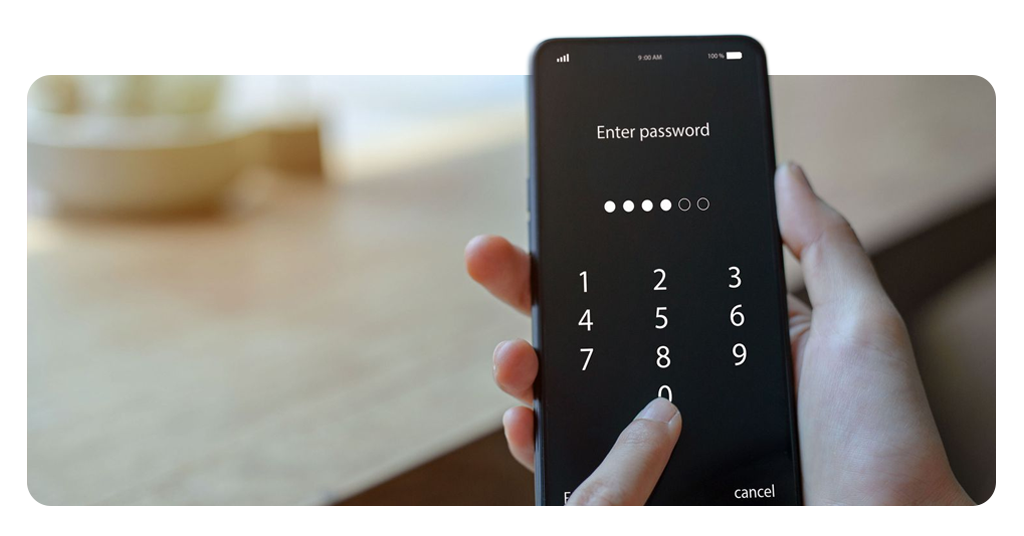
Restore access and protect your data
Unlocking your device is only half the battle. Maintaining access is the long-term strategy. After recovering your phone, consider adjusting the way you secure your digital life. Download Dr.Fone and unlock your phone safely today.
Cloud backups, biometric options and device tracking systems can prevent future lockouts. If your current phone is giving signs of hardware damage, screen failure or battery instability, taking early action prevents additional issues.
The ultimate advantage of using a tool like Dr.Fone is the balance it offers: convenience without compromising safety. You regain control of your phone, preserve your data, and avoid unreliable methods circulating online.
For users who often handle sensitive work information or store important documents, this peace of mind is invaluable. Recover access to your device easily — no tech skills required.
Forgot your passcode? Unlock your phone in minutes with Dr.Fone.