
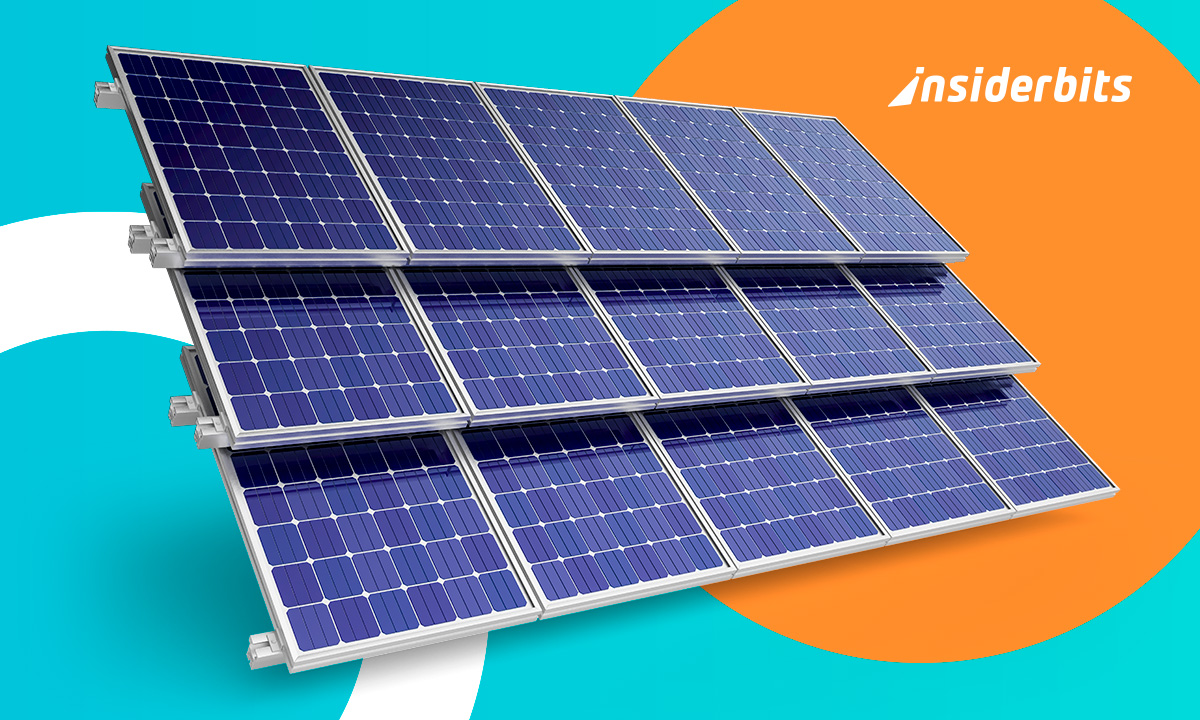
A solar savings test has turned into one of the starting points for homeowners who are tired of watching electric bills rise while monthly usage stays close to the same range. Now, an early check matters even more since residential solar sits in the middle of a much broader conversation about utility inflation, energy independence, and the long-term value of producing part of your own electricity at home.
That explains why a solar estimate tool has become something useful. So, even before a contractor visits the property, the calculators translate sunlight exposure, system size, local electricity rates, and usage habits into a rough savings picture that feels easier to evaluate.
- 5 migliori app per l'energia solare per le energie rinnovabili
- Apply for LIHEAP energy assistance online
- Efficienza energetica della casa: Applicazioni per ridurre i costi delle bollette
Can you lower costs with a solar savings test?
The value of a solar savings test lies in its ability to answer a basic question: does this home have the right conditions for solar to make a noticeable dent in the power bill?
Well, of course a calculator cannot replace a formal site inspection, but it can quickly show if this conversation is worth pursuing.
When it comes to the calculator itself, most estimators work with the same core logic.
This way, even when their interfaces look different, they still use location data to approximate solar radiation and then compare that potential with household electricity demand.
Also, the Department of Energy explains that projected savings change with consumption levels, available sunlight, roof angle, financing method, and local rates. That makes the test useful even when the result is less than expected.
Therefore, a weak result is still valuable information, as it reduces the chance of entering a sales process with unrealistic expectations about near-zero bills or unusually fast payback.
The broader lesson is that solar works best when the numbers line up with the physical reality of the home.
In the end, it turns a marketing promise into an early financial screen, which is exactly what you may need before requesting quotes or comparing installation proposals.
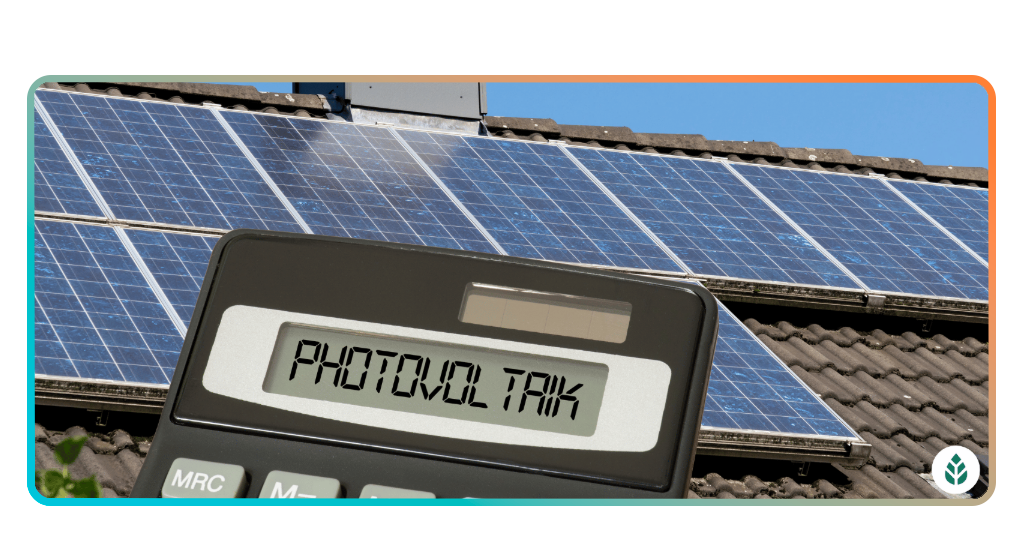
Step-by-step: how to take a solar savings test using the Free Solar Quiz
The solar savings test gets easier once you separate the process into these few actions:
- Fase 1: firstly, open the solar savings test at PVfitcalculator and review the first screen so you understand what kind of estimate it is offering;
- Fase 2: after that, enter your location or ZIP code so the tool can match the home with local sunlight conditions and regional assumptions;
- Fase 3: also add your household electricity use, which may come from monthly bills, annual usage, or a rough estimate if exact numbers are not available;
- Passo 4: reply to any questions related to roof direction, shading, property type, or available installation area, then answer as accurately as possible;
- Passo 5: finally, check the projected results carefully and compare the estimated production or savings with your current electricity costs before deciding if a professional quote makes sense.
Main benefits of solar energy
Il solar savings test attracts attention mainly through the promise of lower bills.
Alongside that, the Department of Energy (DOE) notes that solar can reduce monthly utility costs and strengthen household energy independence.
Another major advantage lies in how solar shifts part of electricity production onto the property itself, changing the relationship between the household and the grid.
So, instead of relying entirely on utility power for every kilowatt-hour used during the day, the home starts generating a portion of that demand on-site.
In addition, because solar energy reduces dependency on electricity, it carries a broader environmental advantage.
And the DOE describes residential solar as a way to cut greenhouse gas emissions while supporting cleaner household energy use.
Still, there’s one point that needs extra care in 2026: federal incentive language has changed.
IRS guidance now states that the Residential Clean Energy Credit is not available for expenditures made after December 31, 2025.
So any homeowner researching solar today should verify current incentive eligibility with the IRS and local programs.
How to install solar energy panels in your home
Once you do a solar savings test that suggests strong potential, the installation path begins with a property review that goes far beyond the assumptions used in an online estimator.
The Department of Energy’s homeowner guidance explains that roof condition, shading, panel placement, financing choices, and local regulations all shape the final design.
That assessment is where an installer determines how much system capacity the roof can realistically support and how that capacity matches annual energy use.
For example, a household with a large daytime load and a clean roof may support a much more efficient project than a home with fragmented roof sections or heavy afternoon shade.
After that stage, the project moves into equipment selection and permits.
So panels, inverters, mounting hardware, utility interconnection requirements, and local code compliance all enter the picture.
This is the moment when you start comparing proposals in a more serious way.
For example, pay attention to production estimates, warranty terms, financing details, and the installer’s assumptions about annual output.
Installation itself works on the roof, the electrical system, and the utility relationship at the same time.
The practical part involves mounting panels, connecting wires, and integrating with the electrical service, and approval depends on inspections before the system can operate normally.
From Utility Frustration to Smarter Energy Decisions
The real strength of a solar savings test is that it gives homeowners a grounded way to think about solar before sales calls or installation timelines start shaping the conversation.
In short, it helps separate strong candidates from weak ones, while also showing that solar is not a universal answer applied the same way to every roof.
For homes with favorable sunlight, solid roof conditions, and meaningful electricity use, the estimate can open the door to long-term savings and stronger energy independence.
On the other hand, for homes that score less impressively, the result still has value, since it points the homeowner toward a more realistic next step.
That is why the first test matters so much. It does not close the decision, yet it gives the decision a much better starting point.
Correlato: Efficienza energetica della casa: Applicazioni per ridurre i costi delle bollette
Enjoyed this article? Save Insiderbits to your favorites and discover the most useful tech tips!