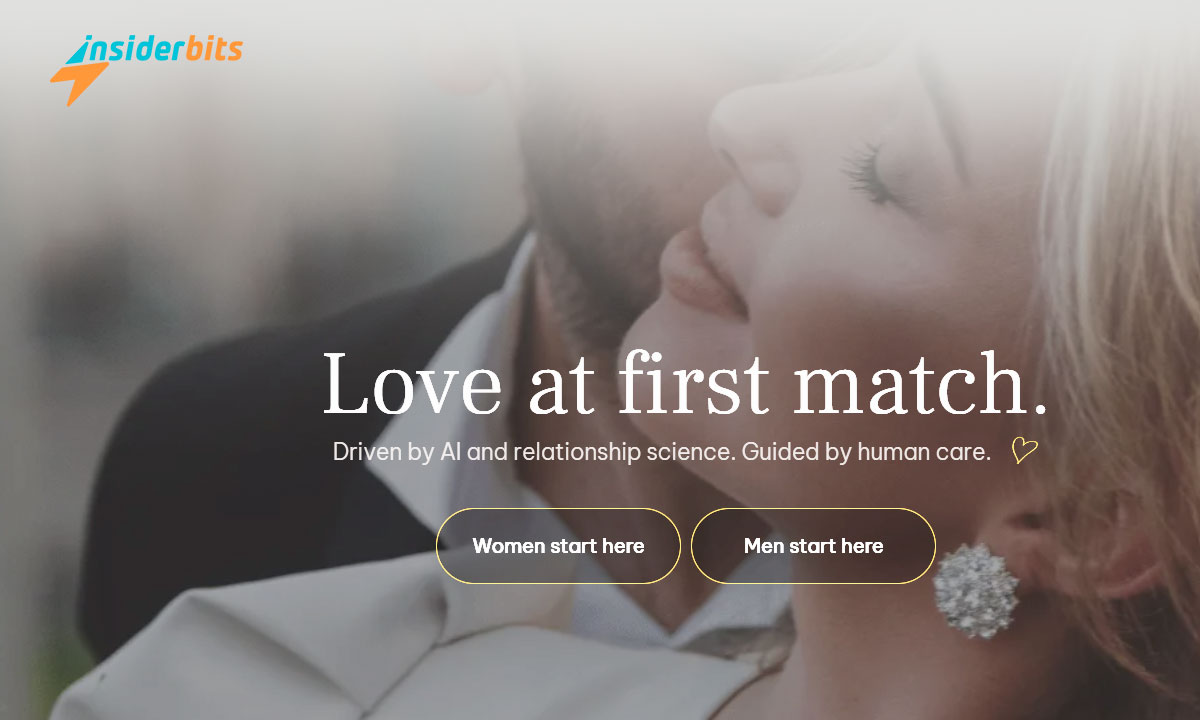
Nelle questioni di cuore, Custode AI è una delle relazioni strumenti con AI che sta facendo rumore. È grazie alla sua efficacia tra clic e "mi piace". Grazie ad esso, entrerete a far parte di una comunità in cui la tecnologia e il calore umano creano vere e proprie storie d'amore.
Con Custode AI, vi immergerete in un'esperienza di matchmaking che valorizza i vostri desideri e le vostre esigenze. Sulla loro piattaforma, ogni profilo è una possibilità per un partner e ogni "match" è un passo verso una possibile relazione significativa. Da Insiderbits, ve lo presentiamo affinché possiate conoscerlo meglio e provarlo subito.
Keeper AI: tecnologia incentrata sulla ricerca del vero amore
Con la bandiera di essere un'app per trovare una relazione sensazionale, Custode AI utilizza l'intelligenza artificiale per generare relazioni di qualità. Con grande successo negli Stati Uniti, questo sistema ha avuto un'ottima accoglienza grazie agli abbinamenti che ha generato finora.
General functions
La sua piattaforma è stata progettata in modo che la comunità di utenti abbia un'interazione efficace che porti all'amore attraverso funzioni quali:
- Abbinamento personalizzato. Utilizza l'intelligenza artificiale e la scienza delle relazioni per offrire incontri significativi che possono portare al matrimonio.
- Consulenza umana e AI. Combina umanità e tecnologia in modo ideale per rendere le corrispondenze rilevanti e personalizzate.
- Coach di incontri e relazioni. Ha un coach disponibile 24 ore su 24, 7 giorni su 7, per discutere i problemi relazionali e guidare psicologicamente i suoi utenti.
- Analisi dettagliata. Analizza profondamente ogni utente in modo che la personalizzazione copra il maggior numero di dettagli possibile.
- Un servizio per professionisti impegnati. Facilita l'interattività, in modo che anche le persone con tempi stretti possano trovare opportunità nella ricerca di un partner.
- Assistenza agli utenti. La piattaforma fornisce un'assistenza completa, che le ha fatto guadagnare un'eccellente valutazione dell'esperienza utente.
Custode AI è come quell'amico saggio che vi conosce meglio di chiunque altro e vi presenta qualcuno che ritiene possa essere la vostra persona ideale. Inoltre, vi aiuta in diversi modi a essere un buon candidato per un partner.
Modalità di utilizzo ed esperienze utente
L'utilizzo è facile. Gli stessi utenti riferiscono che è intuitivo e pratico in ogni sua parte. Basta scaricarlo, creare un profilo con la vostra migliore presentazione e compilare un questionario, e tutto sarà pronto per trovare la vostra metà.
- Carlos Martín (Argentina) è soddisfatto dell'efficacia di Keeper AI. Dice che la piattaforma gli ha fatto risparmiare tempo e fatica e sta già organizzando il suo matrimonio con una persona conosciuta tramite l'app.
- Sofía Rivera (Colombia) elogia l'interfaccia intuitiva di Keeper AI e la qualità dei suggerimenti per gli incontri. Assicura all'app di aver capito cosa vuole in una relazione a lungo termine.
- Laura Lee (USA) dice che Keeper è il migliore. Ha compilato un questionario e voilà, le è stato presentato un abbinamento che soddisfaceva tutte le sue preferenze. Sottolinea la professionalità, la comunicazione e l'attenzione ai dettagli del team di Keeper. Nonostante il suo scetticismo sulla combinazione di AI e matchmaking, lo raccomanda senza esitazione.
- Ana Díaz (Spagna) sottolinea la professionalità del team di Keeper AI. È grata per il continuo supporto e i consigli dell'applicazione. L'ha portata a trovare un legame autentico e profondo.
- Steven (USA) ha avuto un'esperienza straordinaria con Keeper. Ha descritto dettagliatamente ciò che stava cercando e nel giro di una settimana è stato abbinato a una persona che soddisfaceva tutti i suoi criteri. Anche se è ancora presto per sapere se il rapporto sarà a lungo termine, Steven sottolinea che Keeper ha mantenuto quanto promesso. Inoltre, il team di Keeper è eccellente.
- Sean Hammond (USA) è un grande fan di Keeper. Apprezza il modo in cui hanno lavorato con lui per creare un ottimo profilo. Il supporto e l'attenzione ricevuti durante l'intero processo lo hanno lasciato molto soddisfatto.
Nel complesso, tutti Custode AI Le sue caratteristiche sono supportate dalle esperienze degli utenti. Usarlo è facile e, con il tempo, sembra molto efficace per trovare il vero amore che si desidera.
Altre caratteristiche da evidenziare
L'applicazione si è guadagnata un posto di rilievo nel settore degli incontri online per il suo approccio unico e per l'offerta di strumenti pratici di abbinamento.
- Successo nelle connessioni. Il loro tasso di successo, pari a 1 ogni sei primi appuntamenti che portano a un fidanzamento, è una statistica considerevole nel suo category.
- Questionario sugli standard. Il loro "How High Are Your Standards?" è stato molto efficace se analizzato insieme ai dati del censimento degli Stati Uniti e ad altri indicatori.
- Calcolatore degli standard. Si tratta di un altro punto analitico che valuta le aspettative di ogni profilo utilizzando molti dati per valutare le aspettative degli utenti.
- Vantaggi aggiuntivi. La piattaforma sconta anche sarti e fotografi per aiutare gli utenti a migliorare il proprio profilo e aumentare le possibilità di trovare un partner.
Come si può vedere, non c'è dubbio che Custode AI è più di una semplice app di incontri; è un servizio completo che cerca di facilitare incontri significativi e duraturi.
Datevi la possibilità di trovare l'amore con Keeper AI!
Il Custode AI applicazione di matchmaking ha dato qualcosa di cui parlare nel suo category. Ecco perché a Insiderbits, ve lo presentiamo e concludiamo invitandovi a provarlo subito.
Datevi più possibilità di trovare una dolce metà ideale. Inoltre, visitate il nostro sito web per essere sempre aggiornati. con tutto ciò che accade nel mondo della tecnologia.