

Professionals are always investing years building experience in order to deliver results, but sometimes financial compensation and advancement do not move at this same pace. When applications go unanswered or feedback remains vague, it creates the impression that effort alone is not enough to unlock the next level.
However, what often blocks progress is not motivation or intelligence, but misalignment between current capabilities and what employers actively reward in the market, creating a skills gap. So, identifying that misalignment through a specific analysis transforms frustration into direction, revealing which competencies increase competitiveness and open access to better roles and better pay trajectories.
- Essential Skills for Remote Work: Courses That Match Current Job Postings
- LeetCode : Améliorez vos compétences en codage et trouvez rapidement un emploi
- Short certifications with real job value: learn game-changing skills faster!
Why your career might be stuck without you realizing
It’s not usual for career stagnation to start from any visible decline in individual performance.
In contrast, organizations adjust their hiring and promotion criteria in response to automation, digital integration, cost optimization pressures, and evolving customer demands.
Therefore, a role that previously emphasized execution and reliability may now require data interpretation and technology adoption.
All of these changes do not eliminate traditional competencies, but they still elevate additional requirements that influence hiring decisions and compensation tiers.
Consequently, strong performance alone may not secure promotions if technical or strategic skills are outdated.
Over time, the difference between what a candidate offers and what the market rewards becomes more pronounced, even though daily job performance remains strong.
That said, the best thing you can do is to identify this divergence between current skill sets gap sets and real-time labor market demand, which provide a strategic advantage.
Once the underlying misalignment is recognized, targeted skill development can reposition a professional for renewed growth.
How a job skill gap analyzer shows what you’re missing
Well, if you are here reading this article, you are probably looking for some ways to identify whether your performance is good enough for higher-paying roles.
Fortunately, a job skill gap analyzer is capable of comparing your current qualifications against the competencies most frequently requested in target job descriptions.
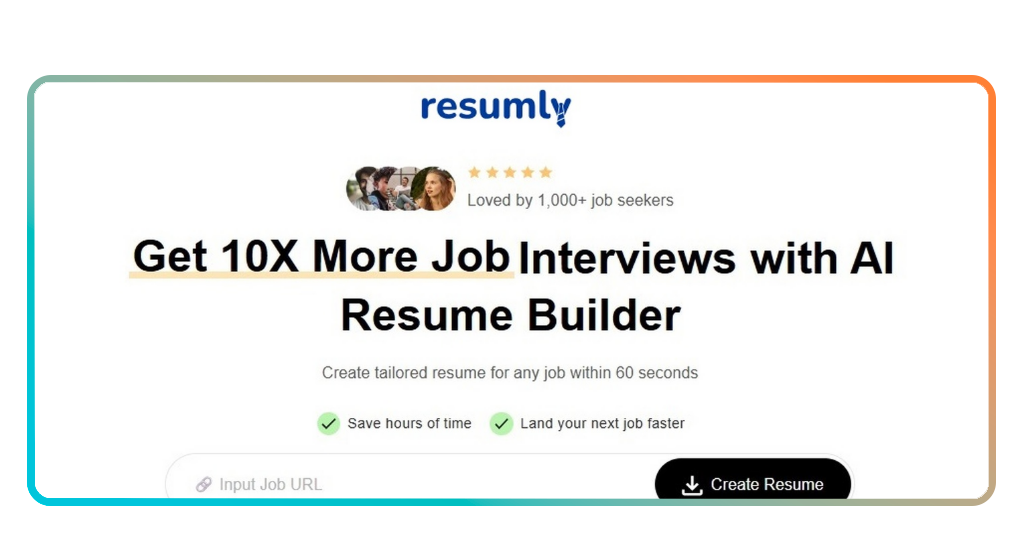
Resumly is the platform that introduces objective benchmarking grounded in market data and lets users upload resumes and evaluate their profiles against specific roles.
The system identifies missing technical skills, certifications, or keyword patterns commonly associated with higher-ranking candidates.
And then, the analysis transforms vague career frustration into actionable insight by highlighting precise areas that require development.
Avec Resumly, diagnostic instruments shifts career planning from reactive job searching toward structured capability building.
Matching your profile to real job market demands
When it comes to distinguishing which skills truly influence hiring decisions, this process needs more than personal opinion or isolated feedback.
That’s because meaningful alignment depends on verified labor statistics and observable employer behavior.
Usually, employers are prioritizing far more candidates who can integrate digital platforms and interpret data.
Those roles, which in the past emphasized tenure or task repetition now reward analytical thinking and cross-functional collaboration.
Comparing your resume against live job postings and aggregated skill data reveals how your qualifications align with current demand signals.
This comparison highlights missing certifications or keywords for skills gaps that may influence applicant tracking systems and recruiter screening decisions.
In summary, when your profile reflects language and capabilities actively sought in the market, interview invitations become more frequent and negotiation leverage improves.
Suggested training paths to level up your skills
After pinpointing concrete skill gaps, the next strategic move to level up your skills is translating those deficiencies into practical learning pathways.
And of course, this needs to align with your long-term career objectives.
For example, effective upskilling doesn’t require abandoning full-time employment, since focused certifications can address targeted weaknesses with measurable outcomes.
That’s why short-form technical certifications and industry-recognized credentials let professionals fortify competencies that appear constantly in job descriptions.
These insights, alongside real-time job postings, help prioritize training investments that align with actual employer demand.
Overall, this method concentrates effort on competencies that increase interview probability and compensation potential.
A learning plan that defines milestones and measurable outcomes generates momentum and reinforces professional confidence.
In the end, when progress is tracked against market requirements, skills gaps development turns out to be a strategic accelerator rather than a vague aspiration.
Building a roadmap to better roles and better pay
Closing a skills gap is less about sustained progress and more about the strategic sequencing of development goals.
Avec Resumly, you can have a roadmap approach that defines short-term upgrades and also long-term specialization pathways aligned with desired roles.
In addition, monitoring labor statistics and salary benchmarks helps measure return on investment in training decisions.
Remember that it is always important to integrate skill acquisition with active networking and application strategies.
And a job skills gap analyzer functions as a navigational tool within this broader roadmap, providing clarity about where you stand and what to prioritize next.
Skills gap: discover what you need to improve for free – Conclusion
Idées reçues showed in this post that the skills gap does not imply inadequacy, but misalignment between evolving market expectations and current professional capabilities.
Before anything, you must have clear diagnostics and become market-informed in your positioning. With that, you can regain control over your trajectory and earning potential.
Ultimately, taking time to analyze your profile today may be the catalyst that reopens access to better roles and better compensation outcomes.
En rapport : Find Out How Much You Should Earn With This Salary Comparison App
Enjoyed this article? Save Idées reçues to your favorites and discover the most useful tech tips!