Designing a home has never been just about walls, roofs and Pinterest boards. Today, it’s a statement—one that says you care about the planet as much as you care about floor plans. With Sustainable Design becoming a priority for architects, homeowners and eco-conscious newcomers, learning the fundamentals of green building is no longer niche.
You don’t need a degree, an expensive mentor or a trip to Scandinavia to understand how eco-friendly architecture works. There’s a cours en ligne gratuit that teaches the core principles of Sustainable Design, from optimizing energy use to choosing low-impact materials. And yes, it comes with expert instructors, real case studies and the possibility of earning a certificate that proves you know what you’re talking about.
- Sustainable Tech Gadgets: Eco-Friendly Innovations for 2025
- Meilleures applications durables pour une vie respectueuse de l'environnement
- Community Gardening Apps: Growing Together Sustainably in 2025
Sustainable design in houses: free online course overview
The course Green Building Assessment & Certification, available through Coursera, offers a structured introduction to Sustainable Design and its practical application in modern housing.
Learners explore the environmental impact of construction, how to evaluate building performance, and how sustainable choices reduce long-term costs for homeowners.
According to the U.S. Green Building Council, energy-efficient homes can cut utility consumption by up to 30%, making eco-oriented architecture as economical as it is environmentally responsible.
Students also discover why sustainable building is now a cornerstone of contemporary architecture, as discussed in resources like the Importance of Green Building Design.
Homes built with Sustainable Design strategies demand fewer artificial heating and cooling systems, rely more on natural ventilation and make use of recycled or low-carbon materials—features increasingly expected by buyers in today’s market.
Step-by-step: how to enroll and start learning
Signing up for the course is refreshingly simple, even for those who break into a sweat just thinking about bureaucracy. You only need a free Coursera account and a few minutes to get started.
The platform is also available on Android et iOS. Once you’re in, the Sustainable Design curriculum is divided into digestible modules packed with short video lessons, readings and real-world examples.
The structure favors beginners but still delivers depth, which is ideal for adults looking to shift careers or expand their eco-architecture knowledge. To begin, follow this flow:
- Accéder à la official course page at Coursera;
- Log in or create your account;
- Enroll for free and choose whether to add a certificate later;
- Start the first module on the foundations of Sustainable Design;
- Follow the weekly lessons and complete quizzes to reinforce the material.
No matter if you’re planning to design your own tiny house or just want credibility when discussing green architecture trends, this course delivers a strong foundation without overwhelming jargon.

4.8/5
What you’ll learn about eco-friendly architecture
Eco-friendly architecture is much less of a trend and much more of a global shift. The course guides learners through the essential principles of Sustainable Design and demonstrates how they can transform traditional housing into efficient, resilient living spaces.
As highlighted in studies from Ecochain and Chaos, the future of architecture leans heavily on renewable materials, passive heating and cooling, and lifecycle-based material assessment.
During the course, learners explore:
- The environmental cost of conventional construction versus sustainable alternatives;
- How to evaluate a building using green rating systems like LEED;
- Techniques for maximizing sunlight and natural airflow;
- Choosing eco-friendly materials such as FSC-certified wood and recycled steel;
- Reducing heat loss through insulation strategies and energy-efficient layouts.
These skills go beyond theory. They’re applicable to real homes, renovations and long-term sustainable living choices—particularly valuable for anyone planning to work in architecture, interior design or construction.
For additional insight into construction careers and green-building roles, readers can also explore the Insiderbits’ article on construction jobs.
Where to get your free certificate in sustainable design
After completing the course modules, learners can request a certificate that acknowledges their training in Sustainable Design.
While participation is free, earning the certificate may involve a small fee depending on Coursera’s current pricing.
For learners needing a fully free option, the platform edX also offers sustainability-oriented architecture courses through institutions like Harvard and MIT. And you can access it on your Android et iOS.
Being certified signals to employers, clients or collaborators that you understand green building fundamentals and are capable of applying Sustainable Design principles responsibly.
A meaningful credential in industries increasingly shaped by environmental legislation, eco-efficiency standards and consumer demand for greener homes.

4.7/5
Why sustainable design matters more than ever
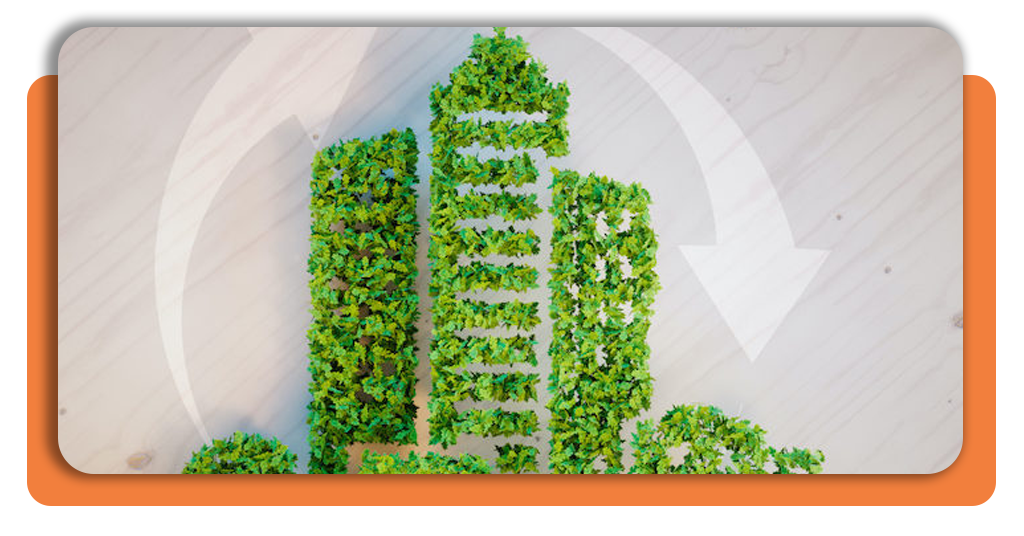
Global data reinforces the urgency behind Sustainable Design. Buildings are responsible for nearly 40% of global carbon emissions, according to the UN Environment Programme, making construction one of the most resource-intensive industries on the planet.
Green architecture reduces waste, extends building lifespan and minimizes reliance on fossil-fuel-based energy systems.
This is not an abstract issue.
It’s about people living in homes that breathe better, waste less and last longer. It’s about reducing monthly bills, increasing property value and building communities that don’t exhaust natural resources.
In case you live in a compact urban apartment or dream of an off-grid cabin, Sustainable Design offers actionable solutions.
The bottom line: start learning sustainable design today
If you’ve ever looked at a house and wondered why it feels wasteful, outdated or simply disconnected from nature, Sustainable Design provides the answers and the tools to build something better.
With free, accessible courses and expert instruction, anyone can start learning today. Practical, modern and surprisingly accessible. Learn to design eco-friendly homes that save energy and protect the planet.
Start your free sustainable design course today — no experience required.
Get certified and join the movement for greener living.