

Finding colors that flatter your features makes getting dressed more fun. A personal color test helps reveal shades that naturally match your skin tone, hair, and eyes instantly.
Simple questions or a selfie are all it takes. The result shows your best palette with visuals and tips, making it easier to choose clothes and makeup that truly work.
This guide by Idées reçues walks through the entire process with helpful tips along the way. Stay tuned for the details and discover the palette that matches your style now.
En rapport : AI Personal Stylists: Redefining Fashion Choices
Personal color test: discover your perfect palette
| Prix : | Free, with in-app purchases available starting at $2.99. |
| Disponible pour : | Web. |
Color Analysis uses your natural features to identify the colors that truly suit you. It works by comparing undertones and contrasts to suggest palettes for clothes and makeup.
The process is based on science but feels intuitive. You’ll learn how certain shades affect your appearance and how some tones naturally brighten your expression or bring balance.
Take a personal color test for free today and receive instant results. Discover how Color Analysis works and find a personalized palette to support your daily style choices.
How your colors reflect your natural beauty
Color plays a big role in how people perceive you. Wearing tones that align with your features can brighten your skin, make eyes stand out, and soften contrast.
The goal isn’t to change your style, but to guide it. Small adjustments in color choice help your existing wardrobe feel fresh, while makeup looks more intentional.
Learning your palette helps build habits over time. You start noticing what works, what doesn’t, and how much easier it becomes to pull a look together from head to toe.
Matching skin tone hair and eyes together
Choosing a palette works better when you consider how your features interact. That’s why a personal color test looks at all three elements together before suggesting your season.
Your eyes may stand out more in cool shades, while warm tones might soften your skin. These relationships help apps identify what naturally complements your overall appearance.
No special training is needed. With a few questions or a quick selfie, the app gives feedback that helps you better understand the connection between color and harmony.
Seasonal categories made simple
The seasonal method divides palettes into Spring, Summer, Autumn, and Winter. They represent common tone patterns based on contrast, saturation, and undertone.
If your features are soft and cool, you might fit into Summer. If they’re warm and strong, Autumn could suit you better. The labels make color choices easier.
Instead of guessing your palette by trial and error, use tools designed for quick results. You’ll get direction instantly after completing a personal color test that defines your category.
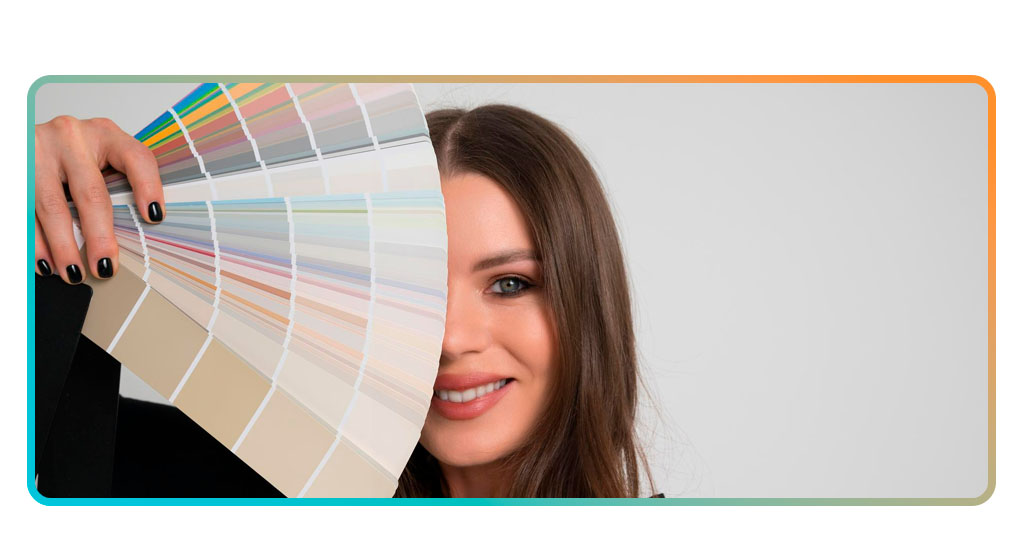
Features that help you choose clothes and makeup
Color guidance becomes practical when the platform shows how each shade relates to your features. These cues help you choose clothes and makeup that feel aligned.
You receive palettes with examples that link into outfits and looks. This structure supports your style choices by connecting visuals with combinations that complement your tones.
The platform turns color theory into practical suggestions. You get guidance for clothes, makeup, and accessories presented to help you build a look that feels cohesive.
Finding outfit ideas based on your palette
Once your results are in, the platform shows how colors align with your wardrobe. Each recommendation reflects tones suggested after taking the detailed personal color test.
This is more than copying looks, but about recognizing patterns, contrasts, and undertones that make clothing feel more intentional, no matter your personal style preferences or lifestyle.
From basics to statement pieces, suggested tones help reduce decision fatigue. Matching colors across outfits becomes easier when your palette stays visible and linked to examples.
Picking lipstick and eyeshadow that suit you
The platform matches makeup suggestions to your palette, helping you choose colors that support your skin tone, eye depth, and natural contrast across different lighting.
Shades are grouped by undertone, so warm and cool options appear with direct comparisons. This speeds up decisions while teaching what compliments your complexion visually.
Rather than chasing random shades, makeup gets easier once suggestions are built around results from a personal color test that already understands your full tonal structure.
Saving your results for future styling tips
Palettes don’t disappear after testing. The platform keeps them available for future sessions, outfit planning, and color coordination when browsing online or sorting seasonal pieces.
Each result stays organized in categories. You’re able to reference tones for lipstick, clothing, or accessories, without restarting the entire process each time you need support.
That’s why it helps to return to your personal color test before shopping or styling. It turns your palette into something practical instead of just one-time advice.
En rapport : TOP 3 AI Fashion Stylist Apps: Fashion Advice at Your Fingertips
Step-by-step: how to use an app for color analysis
Getting personalized color recommendations starts with a quick process. The platform invites you to answer a few style-focused questions based on your natural features and contrast levels.
Each answer guides your outcome. Hair shade, undertone, and eye color help shape your palette. The form is short and designed to make your input feel intuitive.
Once submitted, results arrive by email. They’re designed for easy access later. You don’t need prior knowledge, just curiosity and a few minutes to learn about yourself.
Step 1: taking the test in just a few taps
To begin, visit the website and tap “Start now”. From there, a guided sequence helps collect the details needed to begin your personal color test accurately.
Hair color is the first step, followed by skin tone and natural eye color. You simply pick the options that feel closest to how you look naturally.
The platform uses that combination to form a visual profile. You’ll finish by entering your name and email so the system can generate your results and deliver them directly.
Step 2: getting results with clear guidance
Results arrive quickly. You receive a palette in your inbox with tailored suggestions, visuals, and next steps that reflect your skin tone, hair depth, and contrast category.
This email includes seasonal categories and examples of tones that support your natural look. You’ll find swatches and names for colors across clothing, lipstick, and eyeshadow.
These insights are generated from your answers and supported by color theory. Your email becomes a permanent record of the personal color test, useful for future styling needs.
Step 3: applying your results in daily life
Once you know your seasonal type, you begin to recognize patterns in your wardrobe. Certain pieces stand out more, while others suddenly feel less connected to you.
Many use their palettes to refresh daily choices. Shopping becomes quicker, and outfits become easier to build since you now know which tones truly support your features.
Instead of starting from scratch, your personal color test gives a foundation. Keep your results nearby and return to them anytime you’re planning outfits or organizing your closet.
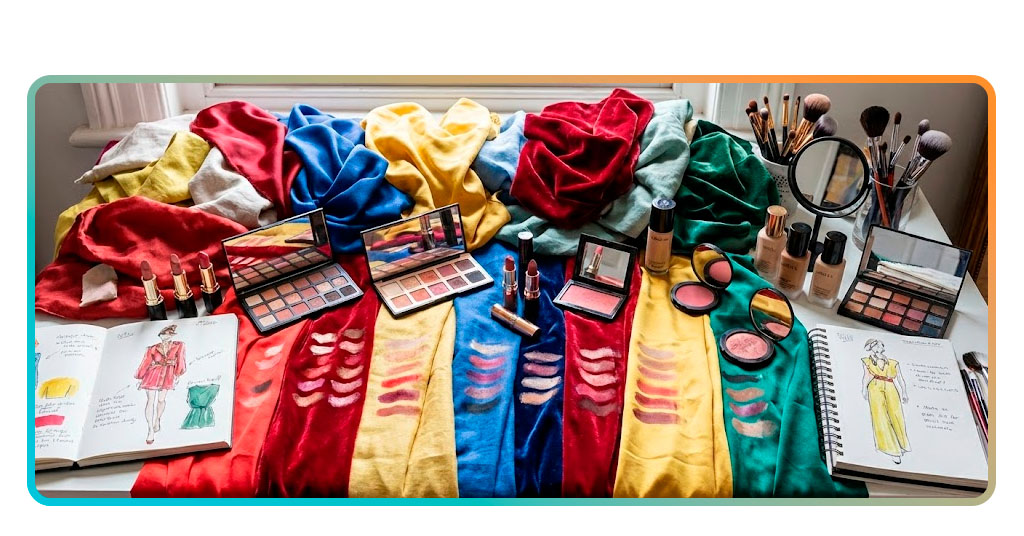
Real results: how users apply their palette daily
Once your palette arrives, it becomes easier to notice which outfits actually support your features. That contrast and harmony makes daily styling feel more natural.
You’ll begin to reach for pieces that match your tones without hesitation. Items that once felt off now clearly clash, and that awareness changes how you choose.
Keeping the palette close builds your instinct. Over time, combinations stand out and decisions feel faster because your wardrobe now works with you instead of against you.
Updating your wardrobe with smarter choices
After completing a personal color test, you start to look at your closet differently. Certain shades no longer work, while others suddenly make perfect visual sense.
Try sorting clothing by tone. Compare what matches your palette to what doesn’t. Patterns emerge quickly, making it easier to decide what deserves space in your wardrobe.
Next time you shop, bring your palette with you. Stick to the colors that highlight your tone and skip the distractions that add clutter instead of value.
Planning makeup with a personal color focus
You’ve probably stood in front of lipstick displays feeling unsure. Your palette removes that doubt by pointing to the shades that support your skin and contrast.
Start by reviewing your current makeup. Organize by undertone and remove what looks disconnected. Keep what fits the palette and works with your features naturally.
When shopping again, refer back to the personal color test before adding anything new. You’ll avoid products that disappoint and build a collection tailored exactly to your tone.
What your palette adds to your routine
You stop asking what’s missing and start working with what fits. Outfits and makeup feel more aligned once you rely on personalized tones instead of constant experimentation.
Keep the palette on your phone or printed in your closet. It becomes your shortcut for planning outfits, packing for trips, or choosing something last-minute.
Insights from the personal color test don’t expire. Use them daily to express your style with more direction, more ease, and a better connection to your features.
En rapport : Style DNA : Fashion AI - Votre application de stylisme en ligne
Making color work for you from now on
Color guidance feels more natural once you see it in action. A personal palette supports your daily choices and helps you build a style that actually works for you.
This article was crafted by Idées reçues to show how color choices connect with real results. A personal color test adds structure to your routine without removing freedom or creativity.
Stick around and browse more guides from Idées reçues. You’ll find practical tips, fresh ideas, and platforms that support your creativity in simple ways that actually fit your everyday needs.