

Sunburn still has a public relations problem. Many people associate it with beach vacations, tropical heat, and reckless afternoons by the pool. Reality is far less cinematic. Skin damage often happens on cloudy mornings, cold days, or quick errands that feel harmless enough to skip protection. The sun doesn’t need permission to harm you, nor does it wait for summer.
For this reason, the UV Index rarely gets the attention it deserves. It is neither wellness rhetoric nor cosmetic guidance, but a globally standardized scientific scale designed to measure ultraviolet radiation intensity and estimate how quickly unprotected skin can be damaged. With time-based monitoring and exposure alerts, a UV Index app takes that invisible risk and turns it into practical data you can actually use.
- Best Beginner-Friendly UX/UI Courses to Kickstart Your Design Career
- Les meilleurs cours en ligne sur l'interface utilisateur et l'UX
- Best Operating System 2025: Windows, Mac, Linux or Chrome?
The hidden danger of cloudy days and UV radiation
One of the most persistent myths about sun safety is that clouds equal protection. They do not.
Up to 80 percent of ultraviolet rays can penetrate cloud cover, meaning overcast skies may still deliver high-risk exposure, according to the U.S. Environmental Protection Agency.
Temperature and brightness are distractions. Radiation does not care how warm it feels.
The Skin Cancer Foundation reinforces this warning by highlighting that cumulative UV exposure, not just isolated burns, significantly increases the risk of premature aging and skin cancer.
This includes incidental exposure during commutes, outdoor lunches, and short walks that rarely trigger sunscreen use.
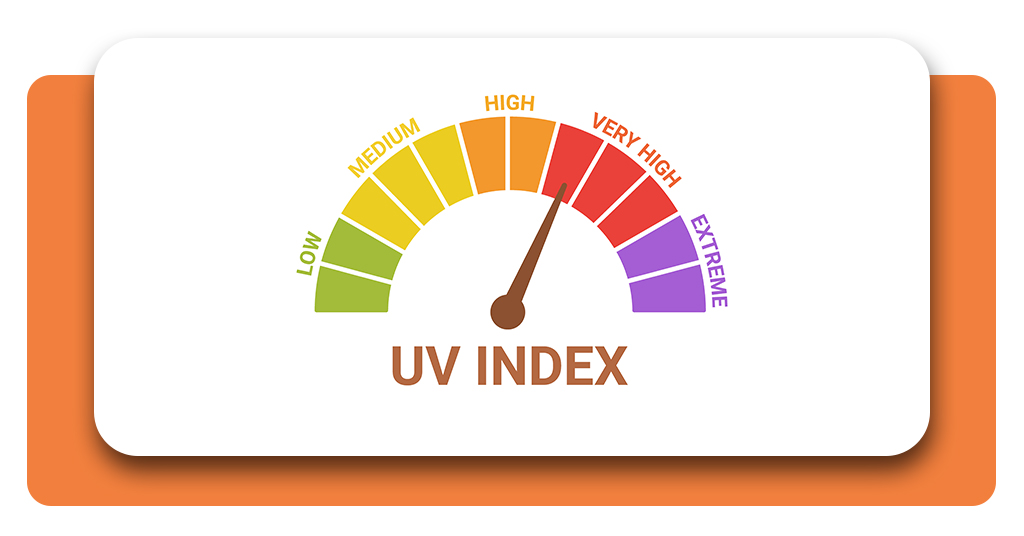
The UV Index solves this disconnect. By translating atmospheric data into a numeric scale from zero to eleven-plus, it clarifies when protection is optional and when it is non-negotiable.
Low numbers suggest minimal risk. Higher values demand strategy.
Planning safe exposure with the UV index app
A UV Index app functions like a weather forecast with consequences. Instead of vague sunshine icons, it delivers precise radiation levels for your location and time of day.
The UV Index typically peaks between 10 a.m. and 4 p.m., but geographic latitude, altitude, ozone concentration, and seasonal shifts can push danger earlier or later.
Planning around these peaks changes behavior. Morning workouts move earlier. Errands shift to late afternoon. Outdoor lunches migrate indoors. These adjustments are small, but they compound into long-term skin protection.
Apps like UV Index – Tan Widget provide hourly forecasts and visual indicators that simplify decision-making. Rather than memorizing scales, users see risk levels at a glance.
Aligning with public health guidance from the Centers for Disease Control and Prevention, the app, available for Android et iOS, emphasizes planning activities outside peak radiation windows whenever possible.

4.6/5
Setting alerts to reapply sunscreen at the right time
Sunscreen failure is rarely about product choice, it has much more to do with timing.
The American Academy of Dermatology reports that most people apply only 25 to 50 percent of the recommended sunscreen amount and forget to reapply entirely.
Protection degrades with sweat, friction, and time, regardless of SPF.
A UV Index app addresses this behavioral gap by introducing alerts. Instead of guessing when coverage has faded, users receive reminders aligned with radiation intensity and duration outdoors.
Can be especially useful during long days outside, travel itineraries, or sports activities where attention drifts away from skin care.
The result is consistency—automated reminders remove the mental load, making protection a routine by itself.
Knowing your skin type to prevent burn risks
Not all skin reacts the same way to ultraviolet exposure. Dermatology classifies skin into phototypes based on pigmentation and burn response.
Lighter tones burn faster, but darker tones are not immune to damage. The misconception that melanin equals invincibility delays diagnosis and prevention across populations.
The UV Index interacts with skin type to determine safe exposure time. A value considered moderate for one person may be dangerous for another.
Users can enter skin characteristics into UV Index apps to customize warnings. Instead of getting general advice, this personalization lines up to medical recommendations. Consider this: prevention becomes precise when risk is individualized.
Calculating how long you can stay out safely
Time is the missing variable in most sun safety conversations. People know sunscreen matters, but rarely know how long protection realistically lasts under specific conditions. The UV Index comes with that missing math.
By combining radiation intensity, skin type, and protection level, apps estimate safe exposure windows before damage risk increases.
A practical rule often taught by dermatologists is the “shadow rule”. If your shadow is shorter than you are, the sun is high enough to cause damage quickly. A UV Index app automates this logic and updates risk throughout the day.
Why the UV index matters for beauty and long-term health
Sunburn hurts. That is immediate feedback. But what happens quietly is more dangerous.
Chronic exposure accelerates collagen breakdown, pigmentation disorders, and cellular mutations that can lead to melanoma and non-melanoma skin cancers.
Le CDC estimates that nearly five million people in the United States are treated for skin cancer annually, at a cost exceeding eight billion dollars.
These numbers are not abstract, they reflect cumulative habits formed over decades.
Checking the UV Index is preventive healthcare.
Integrating UV awareness into daily routines
Technology works best when it blends into life. A UV Index app does not demand constant attention. It integrates with routines already shaped by weather checks and calendar planning.
Just as people track storms or heat waves, radiation levels deserve a place in daily awareness.
Idées reçues explores similar predictive technologies, such as space weather tracking apps. The logic is the same. What you cannot see can still affect you.
Limitations and realistic expectations
No app replaces medical advice or eliminates risk entirely. Reflection from water, sand, and concrete can increase exposure beyond forecasts.
Sunscreen use must still follow dermatological guidelines. Clothing, shade, and sunglasses remain critical.
The bottom line
Sun damage thrives on invisibility and habit. The UV Index exposes both.
Checking a UV Index app before going outside is informed behavior. Skin remembers everything. Technology finally helps you remember first.
Prevent sunburn today. Check UV levels now. Protect your skin instantly.