
Many households are discovering how easy it is for small digital charges to pile up. Streaming services, apps, and forgotten free trials stack onto monthly statements. Tools designed to cancel subscriptions became increasingly popular as people tried to regain control of their budgets. Idées reçues notes how these overlooked payments can add up to hundreds of dollars each year.
The challenge is not only spotting the charges but also ending them. Some companies hide cancellation options behind complicated menus or lengthy customer service calls. New financial apps aim to simplify the process by scanning recurring payments and helping users cancel subscriptions directly from one dashboard. For consumers trying to reduce expenses, that convenience can make a noticeable difference.
- DuckDuckGo adds advanced AI models to subscription
- How To Manage Subscriptions On iPhone
- How to Optimize Streaming Subscriptions and Cut Unnecessary Costs
Scanning for invisible leaks
Some recurring fees don’t appear under obvious names like “Netflix” or “Spotify”.
Many companies use ambiguous billing descriptors or third-party payment processors that make a transaction look like a generic retail purchase on your bank statement.
Without a specialized tool, you might glance at your statement and overlook a $14.99 charge simply because the vendor name is an unrecognizable string of letters and numbers.
By running a deep scan, the cancel subscriptions app cross-references these mysterious codes against a massive database of known subscription services.
Users often discover “zombie” subscriptions—services they canceled years ago that have quietly restarted—or “maintenance fees” for accounts they haven’t logged into since 2023.
Eliminating these ghost charges is the fastest way to see an immediate jump in your available monthly balance.
What’s the best app to cancel subscriptions?
While the market is flooded with financial tools, Chargeback (available on both iOS et Android) has emerged as a top-tier solution.
Different from basic budgeting apps that just show you a graph of your pain, Chargeback is an action-first tool. It doesn’t just identify the problem; it provides the mechanism to solve it without the typical headaches.

4.5/5
Features available in the Chargeback app
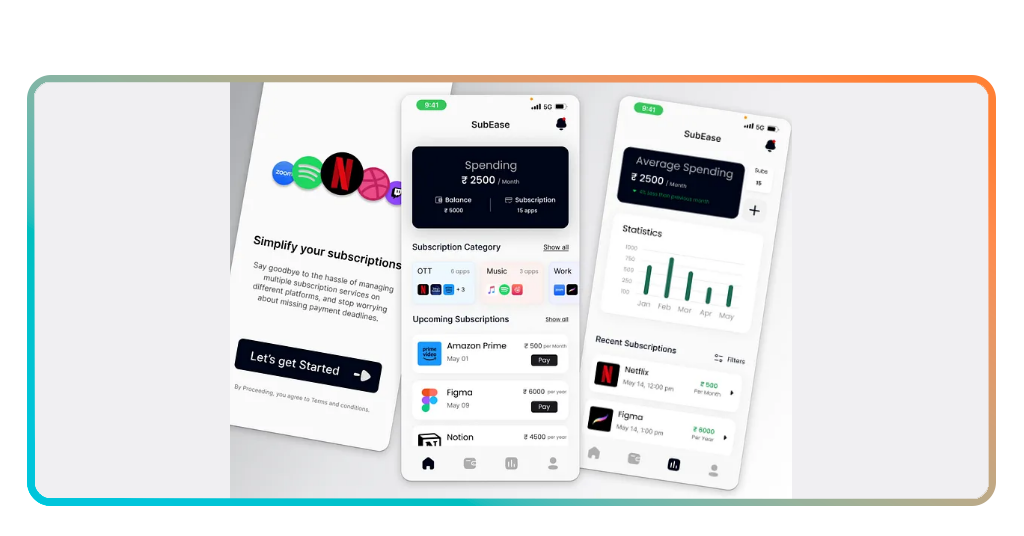
The app functions as a digital bloodhound for your finances, offering features like:
- Automated scanner: it securely links to your accounts to identify recurring patterns that look like subscriptions;
- One-Tap cancellation: for many major services, the app can initiate the cancellation process on your behalf;
- Trial reminders: a proactive shield that alerts you before a free trial ends, so you never get hit with that first “surprise” charge;
- Bill negotiation: in some versions, the app can even negotiate lower rates for essential services like internet or insurance.
Step-by-step: how to stop money leaks using Chargeback
Reclaiming your coffee money (and a whole lot more) is a straightforward process when you have the right tech in your pocket. Here is how to launch your personal audit mission.
Step 1: connect your accounts securely
The first step is to link your primary checking account or credit cards to the app.
These apps use bank-level encryption and read-only access, meaning they can see the transactions to identify them but cannot move your money.
Transparency is key to finding the ghost charges that slip through your manual reviews.
Step 2: run the leak detector scan
Once connected, trigger the automated scan. The app will categorize your spending, separating your living essentials from recurring services.
You’ll likely see a list of apps and platforms you haven’t opened in six months. This is often the moment of instant ROI, where users find an average of $580 in annual savings tucked away in forgotten corners.
Step 3: initiate the mass cancel
Review the list and select the services you no longer want. Instead of logging into five different websites and navigating five different “Are you sure?” menus, you let the app handle the heavy lifting.
Chargeback sends the necessary signals or documentation to the providers to terminate the agreements.
For more hands-on advice, you can also check out our guide on how to cancel your subscriptions manually if you prefer a hybrid approach.
Step 4: set up the trial shield
After cleaning up your past, protect your future. Enable the trial monitoring feature. Every time you sign up for a new “7-day free trial,” log it in the app.
It will act as your external memory, pinging you on day six so you can decide if the service is actually worth your hard-earned cash.
4.5/5
Tips for safe usage and device compatibility
Navigating financial apps requires a bit of savvy.
Always ensure you are downloading the official version of the cancel subscriptions app from the Apple App Store or Google Play Store to avoid “spoof” apps that aim to harvest data.
Chargeback is designed for high compatibility, working smoothly on everything from the latest iPhone 17 to older Android models, ensuring that financial freedom isn’t gated by your hardware.
Furthermore, stay informed about the latest trends in the subscription economy. According to a CNET survey, companies are increasingly using “dark patterns” to keep you enrolled.
Combining an automated tool with a service to monitor your overall financial health is the best way to ensure your bank balance reflects your actual lifestyle, not a list of forgotten promises.
Take back your paycheck
Every recurring charge you remove frees up money for the things that actually matter. A few canceled services can quickly translate into extra savings for travel, an emergency fund, or simply more flexibility at the end of the month.
Choosing to cancel subscriptions is not just housekeeping for your budget. To a lot of households, it feels like giving yourself a small but immediate financial raise.