
There’s a moment in every adult’s life when they realize the real productivity hack was not waking up at 5 a.m., or buying a second monitor, or drinking overpriced “focus elixirs.” The actual secret? Knowing your keyboard shortcuts. The people who glide through tasks without touching their trackpad aren’t gifted; they just memorized a few magical key combinations that shave minutes off everything.
Minutes that become hours. Hours that become deadlines met without a meltdown. And yet, most people still click through menus like it’s 2009. If you’re one of them, this is your wake-up call. Whether you’re studying, working, multitasking, or just trying to survive the daily chaos of having too many tabs open, mastering keyboard shortcuts gives you control over your PC in a way clicking never will.
- Best Operating System 2025: Windows, Mac, Linux or Chrome?
- Customize Your Windows PC: Best Tools and Tips for a Personalized Experience
- Google Play Games Now Available on Windows
Windows keyboard shortcuts you need to know
Consider this your chance to stop being “that colleague who takes forever to close a window” and upgrade yourself into someone who works like a machine.
Windows has hundreds of keyboard shortcuts that Microsoft quietly documents on its support tool. The list is free, it’s massive, and it’s embarrassingly underused.
Let’s start with the essentials—the ones you should know, even if the only thing you use your computer for is writing emails and Googling symptoms you shouldn’t Google.
Microsoft’s own documentation explains some of the most universal commands, and CNET’s breakdown of over 70 shortcuts reinforces that Windows is loaded with small time-saving tricks. The best part is you can learn all of them for free.
Ahead, some shortcuts every Windows user should have tattooed in their brain:
- Ctrl + C / Ctrl + V to copy and paste instantly;
- Alt + Tab to switch between windows without losing your mind;
- Win + L to lock your PC when you need a break (or privacy);
- Win + A to open the quick settings panel;
- Ctrl + Shift + Esc to open Task Manager faster than the app that froze on you.
These are the baseline shortcuts, the ones everyone learns when they finally get fed up with clicking through seven menus to close something.
They’re small, but once you use them daily, you never go back. Like learning to ride a bike: awkward at first, automatic forever.
Step-by-step: learn essential commands
Don’t make learning keyboard shortcuts feel like studying for a test. Simply pick a few, use them nonstop for a week, and watch them become muscle memory.
Following, a practical step-by-step method that’s actually sustainable:
- Ouvrir le Microsoft Support guide;
- Choose 5 shortcuts that match what you do every day;
- Use those same shortcuts repeatedly, resisting the urge to click;
- Add new shortcuts weekly as the old ones become natural.
This is how programmers learn. It’s how writers learn. How anyone who works fast learns. Your hands know more than your brain, and after a few days, your fingers will just go where they need to go.
And if you want to expand your shortcut skills into other tools, Microsoft also provides huge lists for Microsoft 365 et Word.
If you’ve ever used Word professionally, you know copying formatting with Ctrl + Shift + C is basically sorcery.
If you’re into voice commands too, Insiderbits has a full guide on Alexa automations, since there’s always another productivity trick waiting for you.
Hidden shortcuts that save you time
Now, we get into the underrated territory—the keyboard shortcuts nearly nobody talks about but everyone should use. These are the ones that make you feel like you unlocked a cheat code for adulthood. Windows is full of them:
- Win + Shift + S opens the snipping tool right away;
- Win + V shows your clipboard history (yes, your PC saves multiple copied items);
- Win + Ctrl + D creates a new virtual desktop for multitasking;
- Win + E opens File Explorer instantly;
- Win + Period (.) opens the emoji and symbol panel.
These hidden commands save tons of time, especially the clipboard history feature, which feels like a secret portal into productivity. Most people don’t even know Windows has one.
Then there’s Win + Arrow Keys, which snaps windows into perfect sides and corners of your screen. If you love organizing your desktop visually, this shortcut is therapy.
Shortcuts like these are what actually transform your workflow. They eliminate wasted motion and reduce friction, two of the biggest obstacles to efficiency.
You don’t have to be a “tech person” to learn hidden shortcuts. You just have to refuse to accept that annoying and slow digital tasks are normal.
Where to find the full Microsoft list
If you want every existing keyboard shortcut in one place, Microsoft Support has the full, official list. It’s long, overwhelming, and absolutely worth saving as a bookmark.
The same page is used by Windows experts, updated regularly, and organized in tidy categories like navigation shortcuts, accessibility commands, file management shortcuts, and more.
If you want to master your PC like a pro, this is where your training begins.
Microsoft’s documentation even explains how shortcuts differ between Windows versions, so whether you’re on Windows 10 or Windows 11, you’re covered.
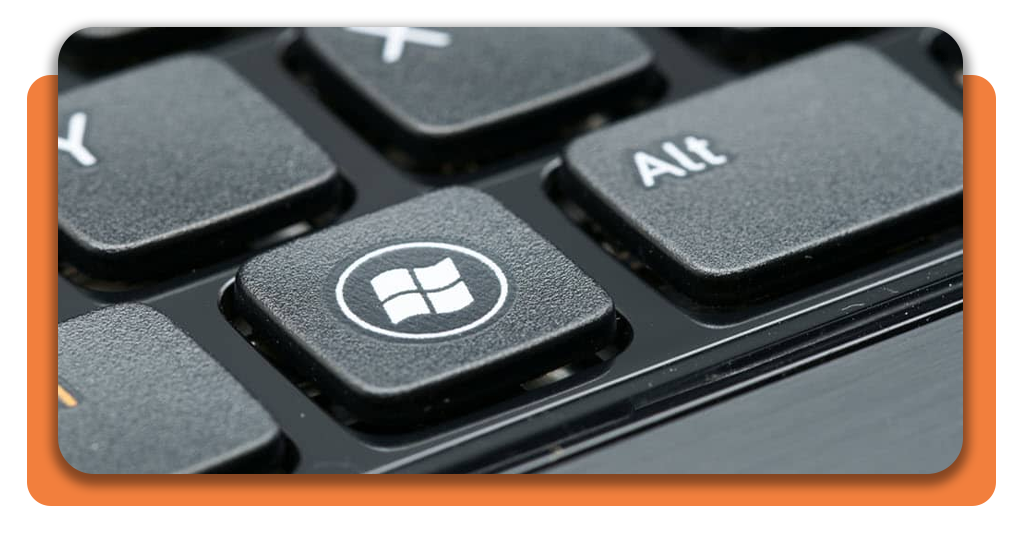
Why learning keyboard shortcuts makes you faster
The modern workflow is built on switching between apps, organizing files, drafting documents, handling calls, responding to chats, and navigating endless tasks. Clicking slows you down. Keyboard shortcuts remove that friction.
Studies from productivity researchers show that keyboard-driven navigation reduces task completion time significantly, sometimes by over 30 percent.
That may not sound like much, but add up those seconds across thousands of daily actions, and you’re saving hours every week.
Students finish essays faster. Professionals work with fewer interruptions. And for anyone juggling multiple responsibilities, cutting tiny inefficiencies becomes transformative.
Final thoughts: work faster, work smarter
If you want to become the kind of person who works quickly, gracefully, and without unnecessary frustration, mastering keyboard shortcuts is the easiest upgrade you can make.
No new device. No complicated software. Just two hands and the willingness to give your mouse a break.
Start with the basics, add new shortcuts weekly, and watch your computer transform into a tool that finally keeps up with you.
Work faster and smarter — master Windows shortcuts today.