

Technology has revolutionized the way individuals with disabilities engage with the world. Digital accessibility apps have removed obstacles, enabling users to connect, communicate, and complete everyday tasks more seamlessly.
These applications empower people by offering features such as text recognition, voice assistance, and real-time transcription. From visual aids to speech synthesis, they bridge gaps in accessibility and provide greater autonomy.
With ongoing technological advancements, accessibility solutions continue evolving. AI-driven tools and inclusive design practices ensure that everyone, regardless of ability, has equal opportunities in digital spaces.
Why Digital Accessibility Apps Are Transforming Lives?
Digital accessibility apps improve the quality of life for many. Those with visual impairments can use screen readers and voice-controlled assistants to access essential information.
Individuals with hearing impairments benefit from real-time transcription services. These allow for better participation in conversations and media consumption.
These tools provide practical assistance while promoting inclusivity. Equal opportunities in the digital space become more attainable with these innovations.
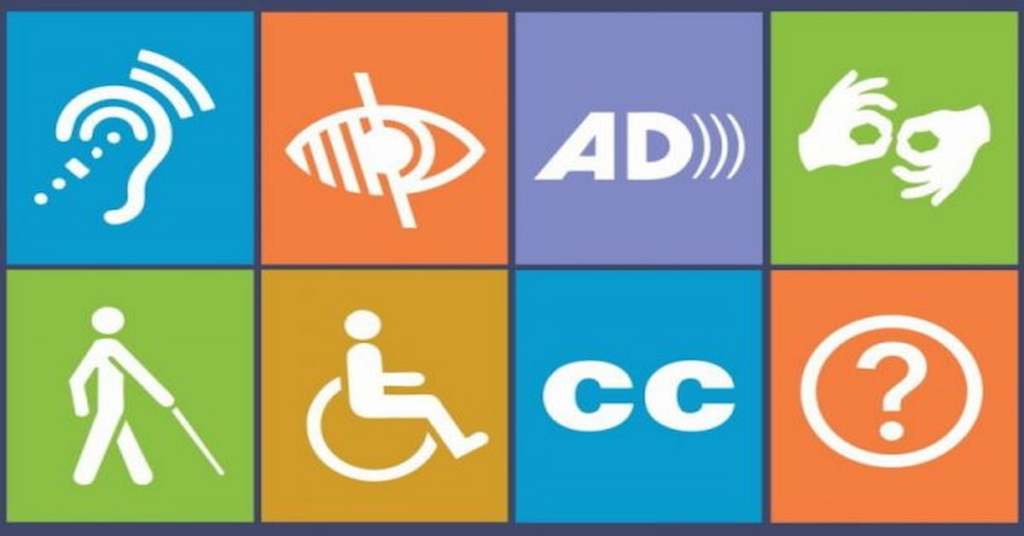
Top Accessibility Apps That Empower People with Disabilities
Technology has improved digital accessibility apps, offering users essential tools for independence. Envision AI employs artificial intelligence to assist visually impaired individuals by reading text, describing scenes, and identifying objects in real-time.
Seeing AI, developed through Microsoft, provides narration of the world around the user. It can recognize faces, read documents, and describe physical surroundings, making everyday tasks more manageable for those with vision impairments.
Voice Dream Reader is a versatile text-to-speech application that supports various document formats, offering customizable voices and languages.
Features That Make Accessibility Apps Essential
Modern accessibility apps integrate key features that enhance usability. Text recognition, powered through Optical Character Recognition (OCR), converts images into readable text, providing better access to printed materials.
Environmental description capabilities allow visually impaired users to receive audio descriptions of their surroundings, making navigation easier. Integration with wearables, such as smartwatches, ensures efficient assistance through haptic feedback and notifications.
These features improve daily interactions and foster greater independence in a digital world designed for all users.
How Technology Is Breaking Barriers for Inclusivity
Technological advancements have significantly improved accessibility for individuals with disabilities. Artificial intelligence enables applications to offer real-time assistance, making digital interactions more intuitive and efficient.
Machine learning refines these tools through user behavior adaptation, improving responsiveness over time. This adaptability ensures that accessibility solutions continue evolving to meet diverse needs.
Innovations in voice recognition and image processing allow for seamless communication and navigation. These advancements create more personalized and effective solutions for individuals with disabilities.
Prioritizing accessibility in technology development fosters an inclusive society. When digital resources remain universally available, equal opportunities become more attainable for everyone.
Comparing the Best Digital Accessibility Apps in 2025
Several accessibility apps in 2025 stand out for their innovation and efficiency.
- Envision: Uses AI to assist users with reading text, describing scenes, and identifying objects.
- Seeing AI: Developed through Microsoft, narrates surroundings by recognizing people, text, and objects.
- Voice Dream Reader: Customizable text-to-speech features support different document formats and languages.
Envision: Empowering the Visually Impaired
Envision helps visually impaired users navigate their environment independently. Artificial intelligence allows it to read printed and handwritten text, providing real-time audio feedback.
With scene description capabilities, the app interprets surroundings, enhancing mobility and spatial awareness. Face recognition features further improve user interactions in daily life.
Envision simplifies information access, making it an essential tool for individuals seeking greater independence in their routines.

4.2/5
Seeing AI: Narrating the World Around You
Seeing AI provides real-time narration of the user’s surroundings, making it a vital tool for visually impaired individuals. The app reads documents, identifies currency, and describes people.
With scene interpretation features, it offers guidance for navigating new environments. Users receive immediate feedback, allowing for a more immersive and interactive experience.
Seeing AI enhances daily interactions, making information more accessible and promoting greater independence.

4.4/5
Voice Dream Reader: Accessible Reading for All
Voice Dream Reader transforms text into speech, making written content more accessible. It supports multiple formats, including PDFs, Word documents, and web articles.
With customizable voices and languages, users can tailor the experience to their preferences. This flexibility enhances readability for individuals with vision impairments or learning disabilities.
Through improved access to educational and professional materials, Voice Dream Reader empowers users to engage with information more effectively.

4.5/5
Digital Accessibility Apps: Breaking Barriers for Inclusivity – Conclusion
Digital accessibility apps have changed how individuals with disabilities interact with technology. These advancements promote greater independence and inclusivity.
As technology evolves, more possibilities emerge for making the digital world accessible. Ensuring innovation continues will create an even more inclusive environment.
These tools pave the way for a future where digital barriers no longer exist. Expanding accessibility ensures equal opportunities for all users.
En rapport : Élargissez vos connaissances grâce à cette application Audible
Cet article vous plaît ? Ajoutez le blog Insiderbits à vos favoris et visitez-nous à chaque fois que vous voulez apprendre de nouvelles informations passionnantes sur la technologie et bien plus encore.