
Bilingual remote jobs are opening new opportunities for immigrants who want flexible work. Many companies now hire multilingual workers for remote roles in customer support, administration, and sales.
One reason bilingual remote jobs are growing in popularity is their accessibility. With the right skills and job platform, workers can connect with employers across the country without being limited by location—read on Idées reçues.

4.8/5
Indeed: best bilingual remote jobs app for immigrants
When searching for bilingual remote jobs, Indeed is often one of the first places people check because it is large and easy to search.
The platform pulls together listings from employers of all sizes, which matters in a market where remote bilingual work is scattered across customer support, healthcare, sales, and administrative roles.
Indeed’s filters for remote work, language requirements, and salary can save time, which is useful when the alternative is opening 14 tabs and hoping one of them is not a scam.
The jobs themselves are usually more ordinary than the headlines suggest.
Bilingual customer service roles on Indeed commonly advertise pay in the $18 to $25 per hour range, depending on language, industry, and experience
Interpreter and translator positions can pay more when certification or specialized knowledge is required.
In other words, language skills can help you get in the door, but they do not magically remove competition, shift schedules, or the classic job ad that wants ‘entry-level’ applicants with five years of experience.
You can browse openings through the Indeed bilingual jobs portal or use the Indeed app for Android et iOS to search and apply on the go.
Step-by-step: how to enroll online for bilingual remote jobs using Indeed
If you are starting your search for bilingual remote jobs, Indeed is one of the easiest places to begin.
The platform lets you create a profile, upload your resume, and filter listings by language, location, and job type, which makes the process more manageable for first-time applicants.
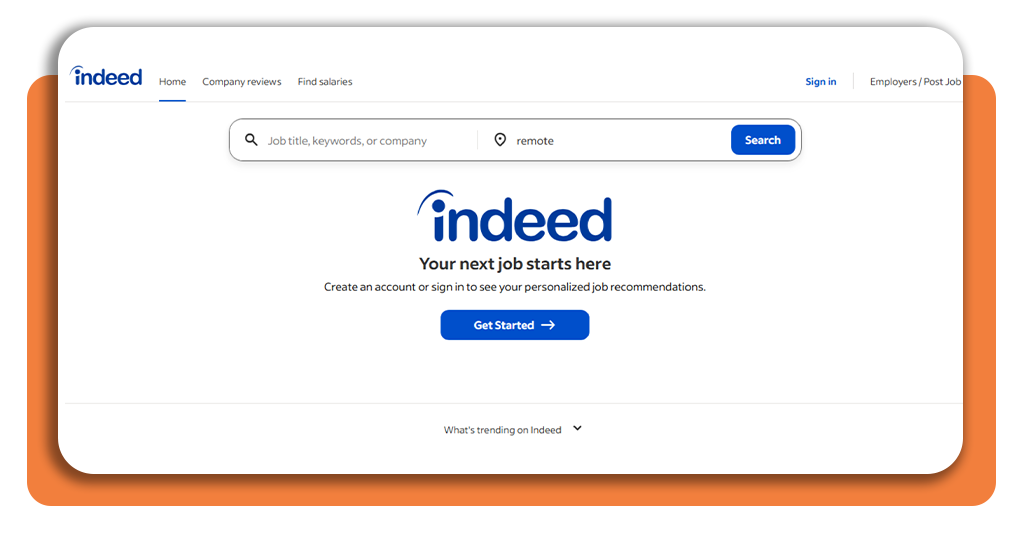
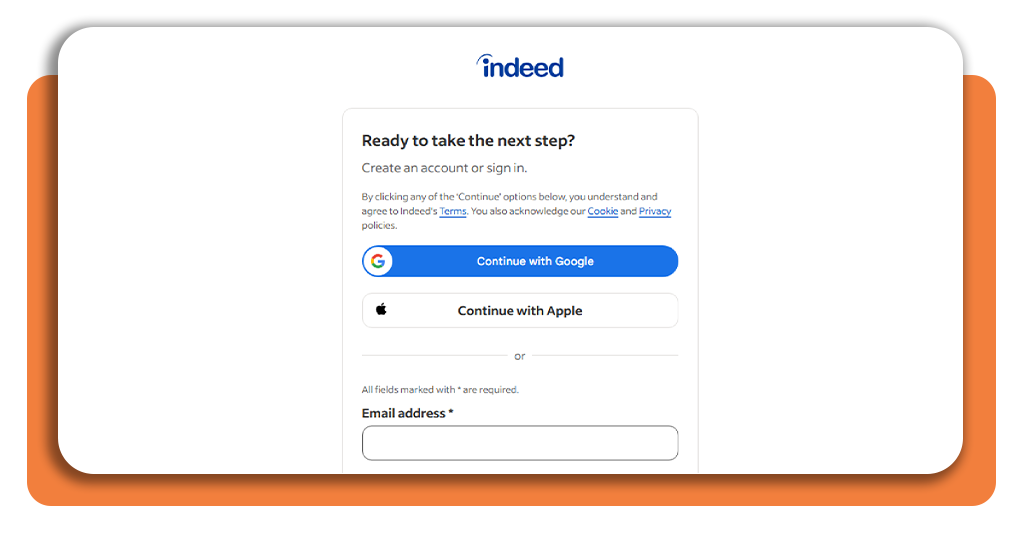
Step 1: create a free Indeed account
Download the app on your iOS ou Android, or access it via the web. Then, sign up with your email address and complete your profile. Adding a professional photo is optional, but filling out your work history and language skills is not.
Step 2: upload or build your resume
Use Indeed’s resume builder or upload an existing resume. Be specific about the languages you speak and your level of fluency, since recruiters often search using those keywords.
Step 3: search for bilingual remote jobs
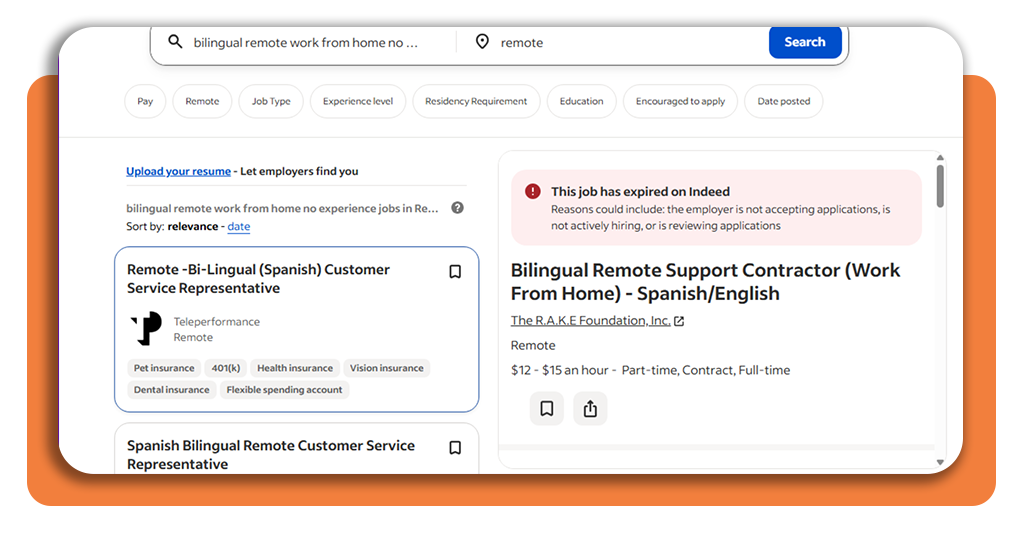
Use terms like ‘bilingual remote‘, ‘Spanish customer service’, ‘Portuguese interpreter’, or ‘remote translator.’ Turn on the ‘Remote’ filter to remove in-person listings.
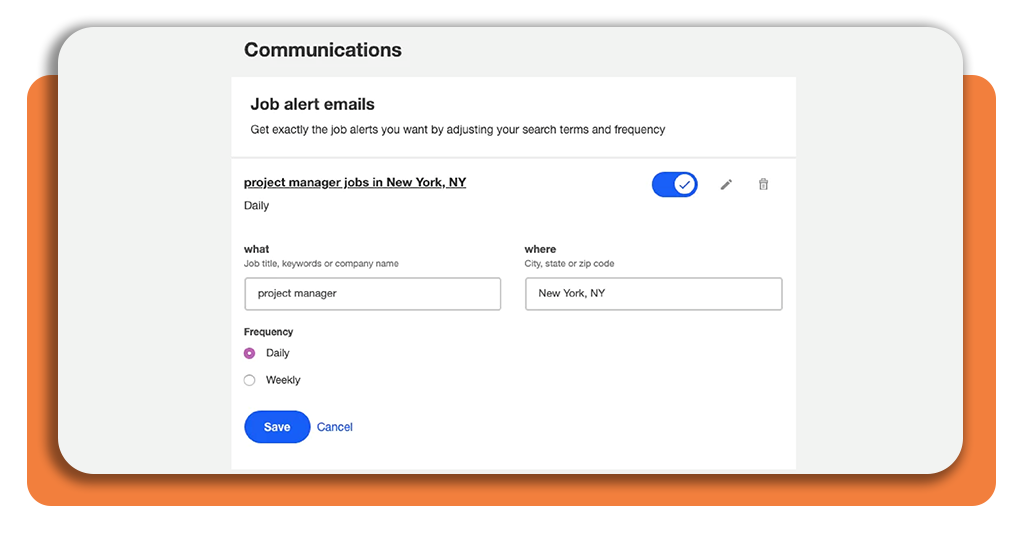
Step 4: set up job alerts
Create email alerts for your preferred languages and job titles. New positions are posted daily, and early applicants often have an advantage.
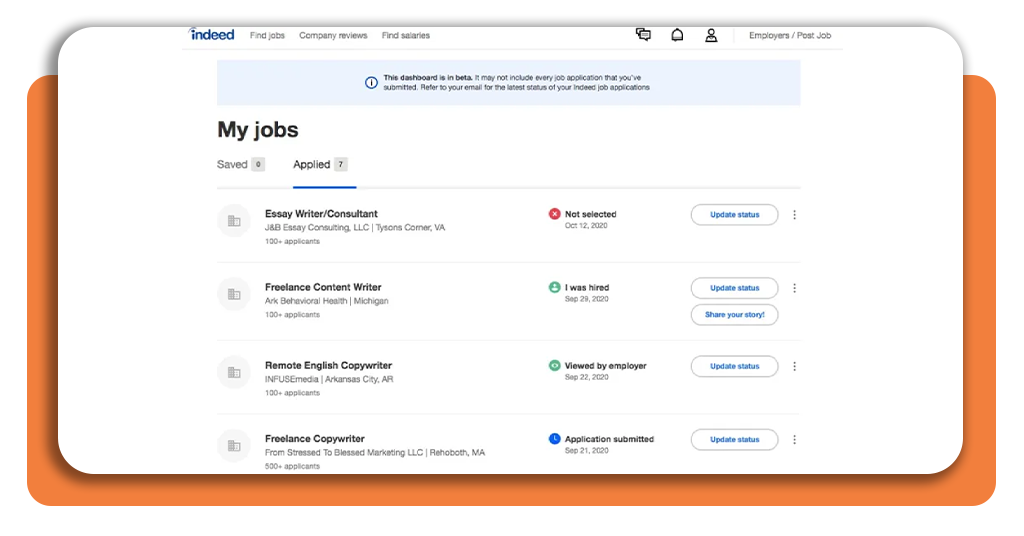
Step 5: monitor your applications
Use Indeed’s dashboard to track applications, respond to recruiter messages, and schedule interviews when opportunities arise.
Focus on jobs that closely match your language skills and experience. A smaller number of targeted applications is usually more effective than sending the same resume to dozens of unrelated roles.
Essential skills to find good remote work
Speaking two languages is what gets many candidates noticed, but it is rarely the only skill employers are looking for.
Most bilingual remote jobs also require a level of comfort with digital tools, written communication, and independent work habits. To become a stronger candidate, focus on these areas:
- Digital communication: get comfortable using tools like Slack, Microsoft Teams, Zoom, and Google Meet. Many remote teams rely on them every day;
- Time management: remote work comes with flexibility but also responsibility. Being organized and meeting deadlines matters just as much as language fluency;
- Customer service skills: many bilingual roles involve helping customers, so clear communication, patience, and problem-solving are highly valued;
- Professional writing: strong grammar and clear emails can help you stand out, especially in support, administrative, and sales positions;
- Basic tech confidence: you do not need to be a programmer, but knowing how to navigate common workplace software can make onboarding much smoother.
In many cases, employers can teach job-specific tasks. What they often cannot teach as quickly is reliability, communication, and the ability to work—effectively—with people across different languages and cultures.
Government benefits for immigrants in the USA
Working remotely can be a real boost, but it can also change how a family fits into public benefit programs.
In the U.S., eligibility depends on the program, immigration status, income, and sometimes the state where you live, so earning a paycheck does not automatically shut the door on help.
HealthCare.gov says lawfully present immigrants may qualify for Marketplace coverage and premium tax credits, while USA.gov points people to a benefit finder tool to see which programs they may still be eligible for.
That matters for everyday support too.
TANF is state-run and can help with food, housing, home energy, and child care, while CHIP rules vary by state and income, which is why a remote job can affect some benefits but not necessarily all of them the same way.
The smart move is to check each program separately instead of assuming one new income stream changes everything at once.
Related: consult our guide to benefits for immigrants and try optimizing your baseline household transition logistics without triggering administrative penalties.
Best accounts to receive your payments
Landing one of those bilingual remote jobs is only part of the equation.
Once the paychecks start coming in, you’ll need a reliable account to receive direct deposits, pay bills, and manage your money without losing a portion of it to unnecessary fees.
For many newcomers, digital banks and fintech apps have become popular alternatives to traditional banking.
Platforms like MAJORITY, Chime, and other mobile-first services often offer online account opening, direct deposit features, and money transfer tools that can be managed entirely from a smartphone.
Depending on the provider, some accounts can be opened with alternative forms of identification, making them accessible to people who are still building their financial lives in the U.S.
Think about your needs. If you regularly send money abroad, look for low-cost international transfers. If your priority is receiving direct deposits quickly and avoiding monthly fees, compare account terms carefully.
A good banking setup won’t make your job easier, but it can make getting paid a lot less complicated.
4.8/5
Career reinvention, with Wi-Fi
Finding bilingual remote jobs is not some magical shortcut to success. It is, however, one of the few ways language skills can actually pay rent.
For immigrants and multilingual professionals, a second language is not just a nice résumé detail—it can often be the thing that gets your application noticed before the algorithm moves on.
The search still takes time. You will probably apply to more jobs than you expected and hear back less than you hoped. Still, platforms like Indeed and the growing demand for bilingual talent have made the hunt a little less hopeless.
And the formula? Well, stay consistent, keep improving, and apply for roles that fit.