
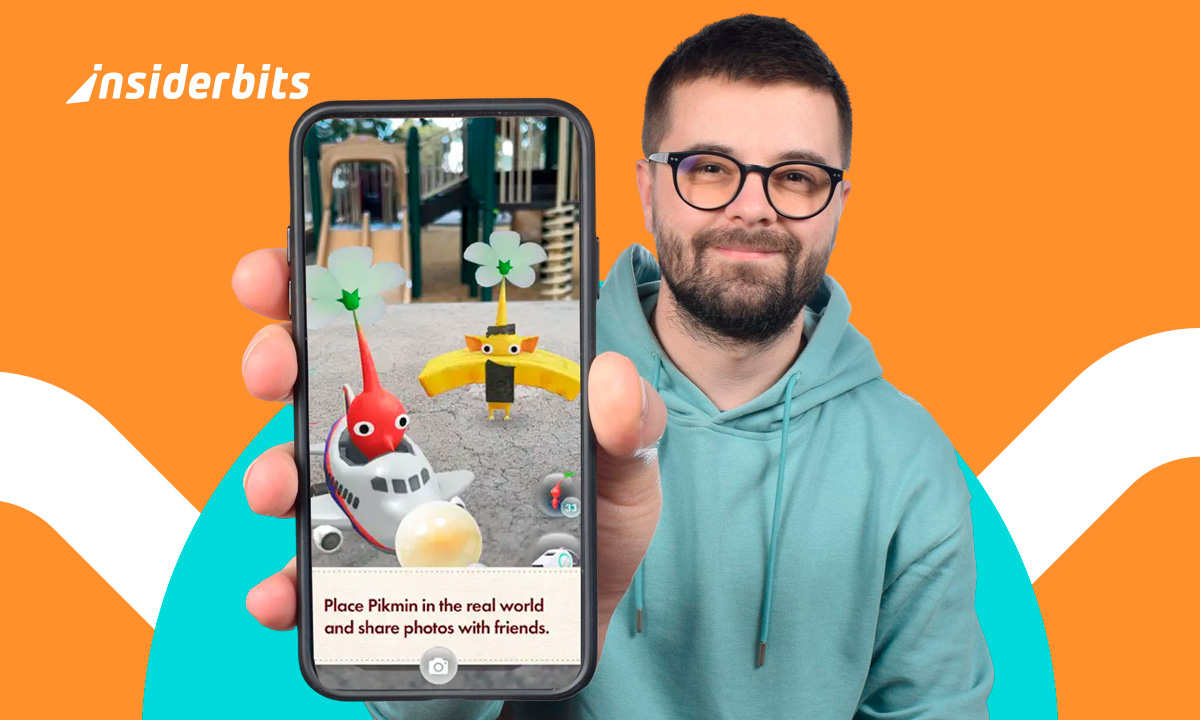
You have probably heard a hundred times about how walking is good for you. More steps, better mood, improved health. And even though… motivation fades. Well, with Pikmin Bloom, your walks around the block will never feel repetitive and boring again because the game transforms real-world movement into visible in-game progress. Every walk grows flowers, discovers Pikmin, and unlocks new missions.
Pikmin Bloom is not just entertainment. It is gamified wellness. When progress feels playful, consistency gets easier and easier. So, if you have been looking for a reason to move more without turning your life into a fitness plan, this might be the nudge you needed. Check the article below and discover how to turn your neighborhood into an adventure.
- Comment jouer à Fortnite en ligne gratuitement : obtenez votre jeu gratuit dès maintenant.
- Jouez au meilleur jeu de Tic Tac Toe gratuit en ligne !
- Where to Watch Basketball Games Online — Free and Paid Options
Why walking games make staying active more fun
We all know that staying active sounds simple in theory, but exercises that emphasize repetition quickly drain motivation.
For example, walking the same routes rarely sustains excitement for long once in a blue moon, leading what begins as a healthy intention to fade into another abandoned habit.
Nevertheless, walking games change that emotional dynamic by making your movement generate visible progress inside a playful system.
And this is how each step gains meaning, then, when you notice, you are motivated to walk in order to complete missions and unlock discoveries.
In summary, on Pikmin Bloom (iOS/Android), your real-world steps plant flowers along your path, reveal hidden Pikmin, and contribute to challenges.
This layer of gamification transforms routine into exploration, and a short walk turns out to be a mission, so a longer walk becomes a strategy to grow your squad faster.
Also, small achievements and collectible characters reinforce consistency, which plays a big part as a psychological reward.
When you notice, you are moving because it feels engaging, and not because you are forcing discipline.

4.8/5
Best Pikmin Bloom features for daily exploration
One of the reasons Pikmin Bloom (iOS/Android) keeps players engaged is how it connects real-world movement with visible in-game rewards.
That’s what makes every step you take contribute to something tangible, whether it is growing new Pikmin or progressing toward daily challenges. Flower planting, for instance, is one of the most satisfying features.
The best part is that this works as you walk, so colorful flowers bloom along your path, transforming your regular routes into a living map of your activity.
And there’s more: by getting more and more flowers, gradually your neighborhood shows a visual record of your consistency.
Another standout feature is the different Pikmin types that appear based on where you explore.
Consequently, visiting new places increases the chance of discovering unique companions that make daily walks feel like mini-adventures and help grow your Pikmin collection.
All these daily challenges and step goals provide achievable missions that reward progress and encourage repetition.
Together, these features turn ordinary movement into exploration. Walking stops being repetitive and becomes a system of growth and discovery.
How to grow Pikmin, collect petals, and level up fast
When it comes to progress, Pikmin Bloom (iOS/Android) is directly tied to how consistently you move, which means your daily habits shape your in-game growth.
In short, it works this way: the more you walk, the more seedlings you find, and the faster your Pikmin squad expands.
In order to grow Pikmin efficiently, you need to prioritize planting flowers while you walk.
That’s because flower planting not only increases your step-based rewards but also helps you unlock coins and bonuses that accelerate progression.
Consequently, longer and steady walks tend to generate more consistent results than short bursts of movement.
Alongside, feeding nectar to your Pikmin is another important mechanic because when you give them nectar collected from fruits, they bloom and produce petals.
These petals can then be used to plant more flowers, creating a rewarding cycle where activity fuels further growth.
Also, different flower types contribute to missions and events, so keeping a balanced supply supports smoother progression.
Basically, leveling up becomes easier when you combine consistent walking and regular expedition completion.
The faster you integrate the game into your routine, the faster your squad grows.
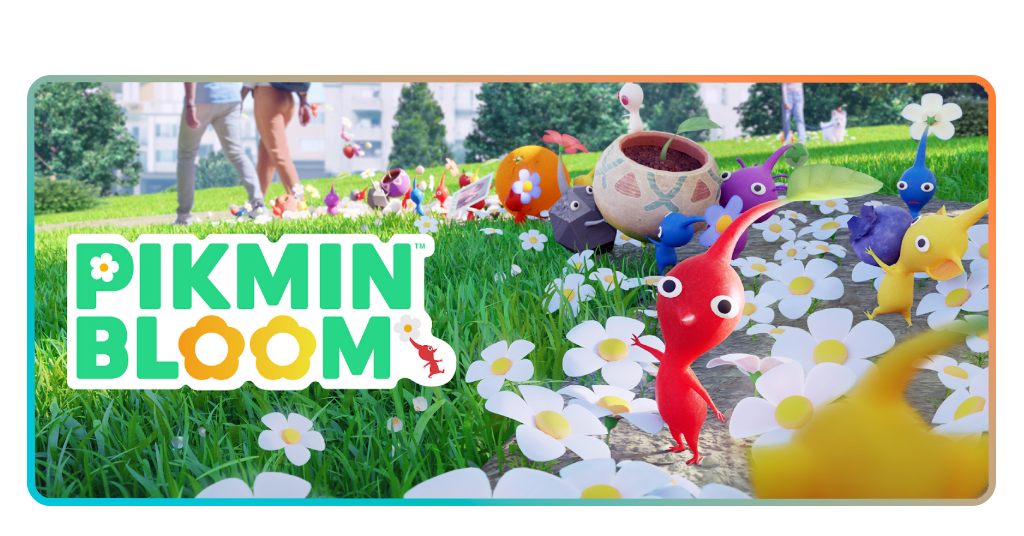
Tips to complete expeditions and daily challenges
Idées reçues always brings tech tips. This time, we will explore expeditions and daily challenges in Pikmin Bloom that are designed to reward consistency.
So, it is important for you to remember that it’s not necessary to do a marathon walk to make progress.
To complete expeditions more efficiently, check the map frequently and send your Pikmin out as soon as opportunities appear.
Shorter expeditions can be completed while you continue walking, which keeps your squad active instead of idle.
In addition, remember to rotate your Pikmin squad since stronger or higher-level Pikmin can handle tougher expeditions faster, reducing waiting time and increasing reward frequency.
Meanwhile, keeping a diverse squad also improves your ability to handle different mission types.
For daily challenges, aim for steady step accumulation throughout the day with short walking breaks in the morning, afternoon, and evening that often add up faster than you expect.
The more you integrate all of these mechanics into your routine, the more the game starts to feel like a natural extension of your daily habits.
And keep in mind that daily actions go by quickly, helping you clear missions and keep your Pikmin thriving without turning your routine into a strict fitness regimen.
4.8/5
Pikmin Bloom: move more every day and turn walking into a game – Conclusion
Staying active does not have to feel like a discipline test or a strict fitness program. When movement is part of a playful system, consistency feels lighter and motivation lasts longer.
Pikmin Bloom transforms ordinary steps into colorful trails and growing companions that reward your daily routine, turning what once felt like a chore into a small adventure.
If you have been waiting for a reason to move more, this might be it. Start walking with your Pikmin today and let your progress bloom one step at a time.
En rapport : Try chair workouts: exercises you can do sitting down
Cet article vous a plu ? Enregistrez-le Idées reçues à vos favoris et découvrez les astuces technologiques les plus utiles !