

Worrying about your kids’ health coverage can keep you up at night when you don’t qualify for Medicaid and can’t afford insurance. Learning how to apply for CHIP could ease that worry.
Dieser Leitfaden von Insiderwissen walks you through every step, from eligibility to approval. Your kids’ next checkup, prescription, or trip to the dentist could already be covered, so keep reading.
Verwandt: Changes to Social Security in 2026: new rules for benefits
What CHIP is and what it covers
Your kids deserve care without your bank account taking a hit when they get sick. ‘CHIP’, or Children’s Health Insurance Program, exists for families who earn too much for Medicaid alone.
States run their own version of this program, but every one of them lets you apply for CHIP to cover basics like checkups, immunizations, and dental care.
Your child gets treated the same way a fully insured kid would. Prescriptions, lab work, and behavioral support round out the works, keeping a diagnosis affordable.
Criteria and documents for CHIP qualification
Your eligibility comes down to your household income and your child’s age, and your state already tracks both closely, setting its own income limit each year.
Once you know where your income falls, the paperwork becomes the only real hurdle between your family and approval, since every state asks for similar documents. You’ll typically need:
- Proof of identity, like a birth certificate or Social Security card, for each child;
- Proof of citizenship or immigration status;
- Recent pay stubs or another record of household income;
- Proof of your current address;
- Records of expenses like child support or childcare costs, if they apply to you.
Who counts as a qualifying child?
Your child needs to be under age 19 and hold a valid Social Security number before the application can move forward, with citizenship rounding it out.
Your own immigration status never factors into your child’s eligibility, which surprises plenty of parents filling out the form, since only your child’s status gets reviewed.
Covered services beyond doctor visits
Once you apply for CHIP, your child’s plan also covers routine vaccines as they grow, treated the same way checkups are handled, with no separate approval.
Mental health and substance use treatment fall under the same rules as physical care, so your state can never apply stricter limits or higher copays either.

Step-by-step: how to apply for CHIP online
Health coverage paperwork has a reputation for chewing up entire weekends, but CHIP breaks that pattern because the bulk of it fits on a single form.
Healthcare.gov hosts that form, asking for one piece of information at a time instead of dumping every question on your screen the second you open it.
Sitting down to apply for CHIP feels less like a maze and more like a checklist, with each part leading naturally toward your kids being covered.
Step 1: gather your household and income info
Before you open any forms, pull together your pay stubs, your household size, and everyone’s basic info, since the application asks for all of it upfront.
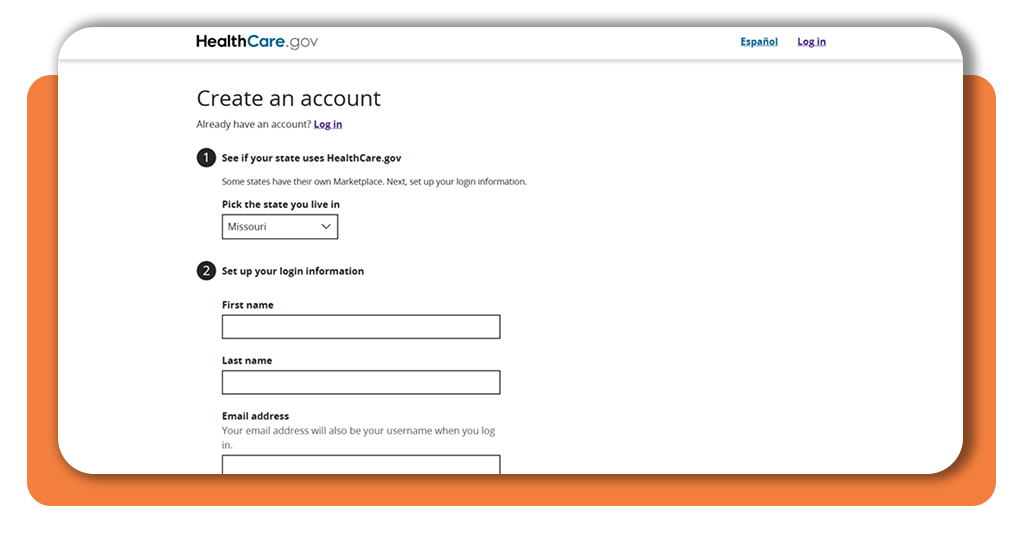
Step 2: create your account online
Head to https://healthcare.gov and set up an account using your email and a strong password; this becomes your home base for the entire application going forward.
Step 3: fill out the application
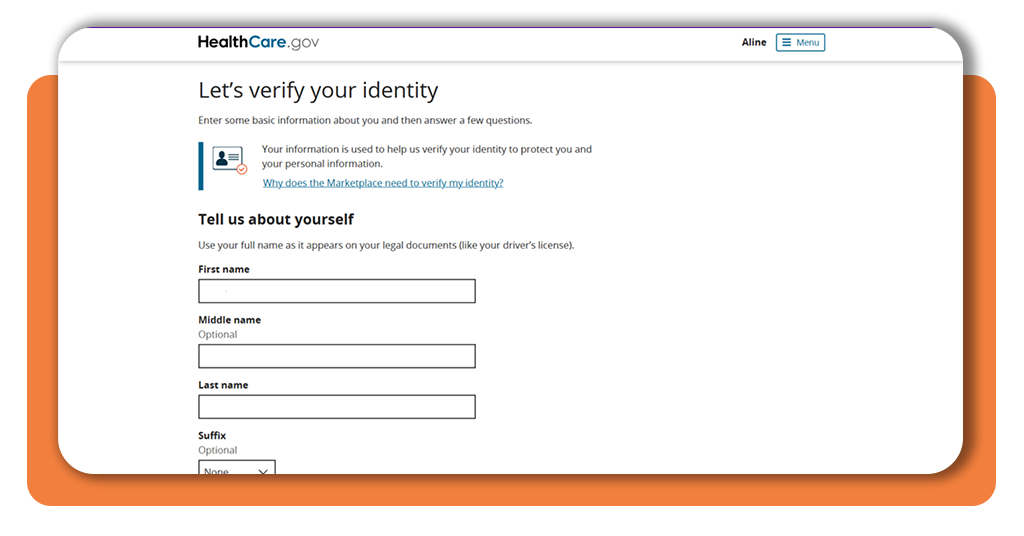
Income, household details, and information about your kids fill out most of the form, broken into small sections that rarely take more than a minute.
Step 4: upload your supporting documents
Income or citizenship sometimes needs backup proof, and the same login you used to apply for CHIP lets you attach scanned files right from your account.
Step 5: hear back from your state agency
Phone calls and letters from your state agency tend to follow within a few weeks, letting you know whether your children have been approved for coverage.
Verwandt: Section 8 rental assistance: learn how to apply
CHIP coverage timelines and costs
Money worries shouldn’t dictate when your kids finally see a doctor, and CHIP was built specifically around that exact problem, keeping both timing and cost predictable for families.
Sobald Sie apply for CHIP and your child gets approved, federal rules guarantee a full year of steady coverage before your state can ask you to renew anything.
Costs follow a similar pattern across states, since every state operates under the same income-based cap, no matter how the premiums or copays end up structured locally.
When coverage kicks in after approval
Your child’s coverage starts the moment your state approves the application, and as of 2024, federal rules lock that coverage in place for a full twelve months straight.
That twelve-month window holds even if your income shifts mid-year or you miss a premium payment, because states can no longer drop kids for that reason.
States with a waiting period
Most families skip this entirely, but a small group of states still require kids to go uninsured for a stretch before CHIP coverage finally starts working for them.
That stretch caps out at 90 days under federal rules, and most of the states that use it stick to that limit instead of choosing something shorter. These states currently apply a waiting period:
- Arizona;
- Arkansas;
- Florida;
- Indiana;
- Iowa;
- Louisiana;
- South Dakota;
- Texas;
- Utah.
Premiums, copays, and the 5% cap
When you apply for CHIP, your state runs the numbers, and some families end up paying a small monthly premium while others pay nothing at all toward coverage.
Doctor visits and prescriptions sometimes carry a small copay as well, but federal law always keeps your total yearly cost under 5% of your household income no matter what.
Common mistakes to avoid when applying
A surprising number of families talk themselves out of applying before they even open the form, assuming their situation won’t qualify without checking the real numbers firsthand.
Others get through most of the application and stall right at the very finish line, letting a missed call or a forgotten document undo weeks of real progress.
Most of these problems trace back to one root cause: parents treat a single part of this process as optional after they apply for CHIP, when it isn’t.
Assuming your income disqualifies your kids
Plenty of parents see the Medicaid income limit, assume they’re well over it, and close the tab without realizing CHIP runs on a completely different and higher threshold.
Those limits shift by household size and by state, so a number that disqualifies a family of three might leave plenty of room for a family of five.
Missing the call from your state
Your state agency reaches out after you submit your application, but the call sometimes comes from an unfamiliar number that looks just enough like spam to get ignored.
Letting that call go to voicemail can stall your case for weeks, so saving the agency’s number ahead of time keeps you from missing the call you need.
Letting paperwork sit unsubmitted for too long
Some parents apply for CHIP, get partway through the document upload, and then set everything aside for a busy week that slowly turns into a busy month instead.
Income documents and pay stubs lose their relevance fast, so a delay of a few weeks can force you to track down fresher proof and start that over.
Verwandt: American housing assistance: apply for public housing in your county
Your kids’ coverage is one form away
You’ve got everything you need to stop wondering and start moving on this, whether that means logging in tonight or filling out the form tomorrow morning.
In diesem Leitfaden, Insiderwissen walked you through what it takes to apply for CHIP, from the income rules down to the small details people miss.
Browse more Insiderwissen articles for other government benefits, like food assistance, housing help, and tax credits you might be leaving on the table.