

In a complex rental market landscape, most renters aren’t just dealing with rising costs—but with information gaps. Many tenants find themselves accepting sub-standard living conditions, ignored repair requests, or unfairly withheld security deposits simply because they don’t know the specific statutes that protect them. A power imbalance that often leads to avoidable stress and financial loss.
Standing up for your tenant rights shouldn’t require a law degree or an expensive consultation. Whether you are facing a confusing eviction notice or wondering if your landlord can enter your apartment without permission, regaining control means access to verified, local regulations. With a digital checker, you can become an informed advocate for your own housing stability.
- Legalized Company Checker in den USA Online
- Minors Credit Cards: Understanding Credit Cards Rules and Options in the United States
- Disability benefits 2025: new rules and payments
Learn local rules fast with this tenant rights checker
While housing laws are complex, finding the ones that apply to you has become significantly faster. The primary resource for this is USA.gov, a centralized clearinghouse for federal and state-level housing information.
Die USA.gov Tenant Rights Portal is designed to bypass the “legal-speak” of official documents and provide direct links to the agencies that oversee rental housing in your specific state.
Instead of searching through endless forums, this checker allows you to select your location and immediately see the regulatory framework that governs your lease. This is your first line of defense against landlord overreach.
A centralized gateway to justice
The portal connects you to the Department of Housing and Urban Development (HUD) and state-specific fair housing offices. Thousands of tenants lose their homes every year simply because they miss a legal deadline.
The USA.gov tool prevents this by providing:
- State-specific “tenant bill of rights”: direct access to the legal code for all 50 states;
- Fair housing assistance: information on how to file a complaint if you suspect discrimination under the Fair Housing Act;
- Local HUD contacts: direct phone numbers and office locations for federal advocates in your region.
Real-time legal aid integration
One of the most powerful features of the checker in 2026 is its integration with LawHelp.org and local Legal Services Corporation (LSC) offices.
If the checker identifies that your landlord is violating a statute, it provides a “Next Steps” path to find free or low-cost legal representation.
For example, if you are in a state like New York or California, the tool can instantly direct you to “Right to Counsel” programs that are specifically designed to keep families in their homes during disputes.
Interactive “rights” checklists
The portal also provides downloadable checklists for different stages of the rental journey.
Whether you are doing a “Walk-Through” at the start of a lease or fighting for your security deposit at the end, these checklists ensure you are documenting the right evidence.
Tenants who provide documented evidence based on state-specific checklists are 60% more likely to win a security deposit dispute without going to court.
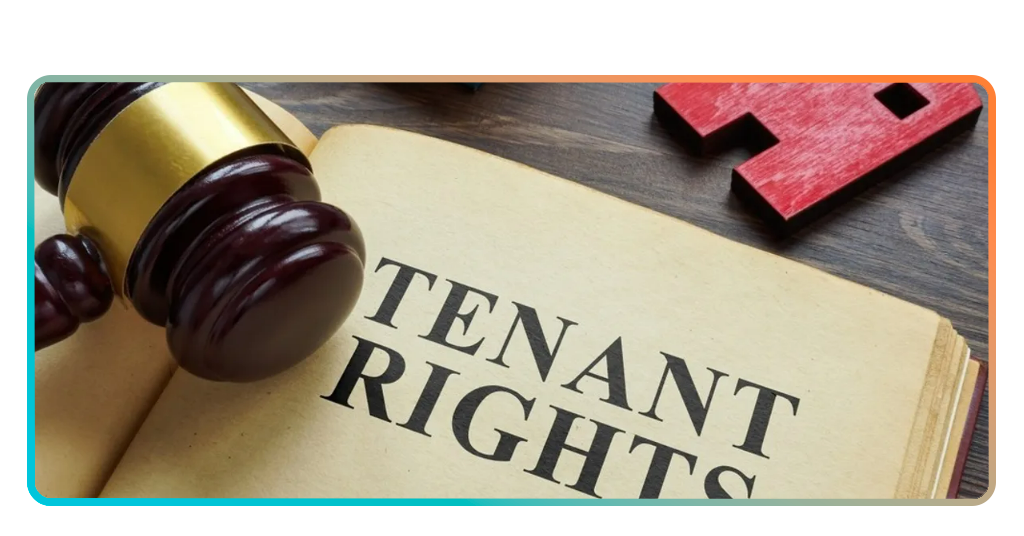
Understand deposits, eviction rules and repair duties
Tenant protections typically fall into three critical categories. Understanding these “Big Three” is essential before signing a lease or moving out.
The security deposit shield
One of the most common points of friction is the return of the security deposit. Most states have strict deadlines—often 14 to 30 days—for a landlord to return your money or provide an itemized list of deductions.
A tenant rights checker helps you identify if your state requires the landlord to store your deposit in an interest-bearing account or if they are charging for “normal wear and tear,” which is generally prohibited.
Eviction rules and proper notice
Eviction is a legal process, not a landlord’s whim. Quoting LawHelp.org, landlords must follow specific “Notice to Quit” timelines before filing in court.
Many cities have implemented “Right to Counsel” laws, providing free legal representation to tenants facing eviction.
The checker helps you identify if you are in a protected zone and what specific paperwork a landlord must provide.
The “Warranty of Habitability” (repairs)
Understanding tenant rights starts with knowing that every renter is legally entitled to a home that is safe and livable. This includes functioning heat, water, electricity and a structure free from mold or pests.
If a landlord ignores repair obligations, tenant rights laws in many states may allow options such as “Repair and Deduct”, where you pay for the fix and subtract it from the rent, or in some cases “Withhold Rent”.
However, these remedies come with strict procedural requirements, and using a legal checker can help ensure you follow the correct steps before taking action.

Compare state laws and landlord obligations
Housing laws vary drastically across the country. What is legal in Texas might be a violation in California. Understanding these regional differences is vital for anyone planning a move or living in a multi-state metropolitan area.
| Merkmal | Pro-Tenant States (Example: NY, CA) | Standard/Market States (Example: FL, TX) |
| Rent Control | Often present in major cities. | Generally prohibited by state law. |
| Notice for Entry | Usually 24–48 hours required. | Varies; sometimes “reasonable notice.” |
| Lease Renewal | Landlords may need a “just cause” to deny. | Landlords can typically choose not to renew. |
| Security Deposit Cap | Often limited to 1 month’s rent. | Often no state-level limit. |
Stand up for your rights with clear, reliable info
Knowledge is your greatest leverage. When you can cite specific state statutes or agency guidelines, landlords are much more likely to comply with their obligations:
- Documentation is everything: always keep a digital paper trail of your communication. If you are preparing for a transition, our moving checklist can help you document the condition of your home before you leave;
- Seek local support: if the online checker indicates a violation, your next step should be contacting a local Tenant Union oder Legal Aid office. These organizations provide the “teeth” to the laws you’ve discovered.
Final thoughts
While the power dynamic between a landlord and a renter can often feel lopsided, understanding your tenant rights is the most effective way to level the playing field.
Protecting your housing stability starts with one simple realization: the law is on your side, but only if you know how to use it.
Important note: if you are facing an immediate legal crisis or eviction, please consult with a qualified attorney in your jurisdiction.