

Stop settling for slow internet and dead zones in your house. Download this free app to scan your signal and optimize your connection in less than 60 seconds! When your favorite show starts buffering or your video call cuts out right in the middle of an important sentence, running a quick home internet test is the fastest way to diagnose the problem.
Trusted by network professionals worldwide, modern diagnostics platforms handle over 50 million tests performed daily. These utilities can identify Wi-Fi dead zones in 1 minute, giving you clear, actionable data to optimize your remote workspace. Before you pick up the phone to complain to your internet service provider, executing a standardized home internet test helps you rule out local structural blocks and software glitches first.

4.7/5
What is the best app for a home internet test?
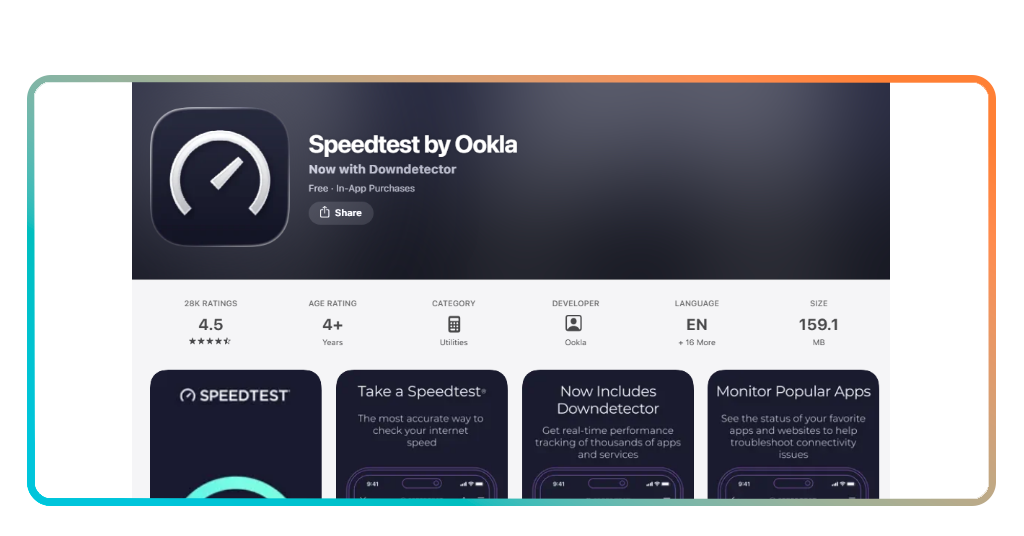
When it comes to analyzing your network, you should keep an eye on Speedtest by Ookla—the go-to home internet test for casual consumers and IT engineers. It runs a massive distributed server infrastructure to guarantee test accuracy.
The software is completely free and optimized across all major operating systems. You can download the native client directly via the Apple App Store or the Google Play Store.
Rather than offering vague estimates, the platform establishes point-to-point data transfers to give you an objective, real-time look at your current bandwidth capacity.
Step-by-step: how to check your Wi-Fi performance
Getting an accurate reading from your home internet test requires removing accidental local variables that can skew the results.
If your laptop is running heavy background cloud backups or your console is updating a massive game in the next room, your baseline scores will look falsely deflated.
Step 1: isolate your home wireless network
Temporarily pause large file downloads, active streaming services, or background system updates on all smart TVs, consoles, and mobile devices connected to your router.
- Internet Communities You’ll Wish You Joined Sooner
- 5 beste Apps zur Überprüfung Ihrer Internetverbindung
- Fiber vs. 5G home internet: we tested both (one is a clear winner for reliability)
Step 2: stand close to your primary access point
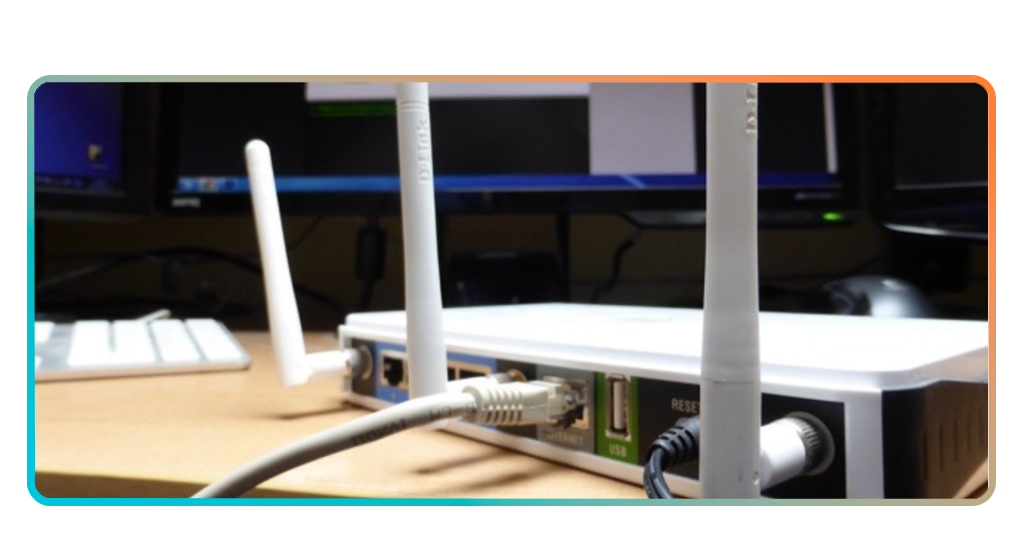
Position yourself in the same room as your wireless router with a clear line of sight. This baseline reading helps you isolate your actual fiber/cable speed from physical wall interference.

Step 3: launch the app and begin the diagnostic
Download it at the Apple App Store or the Google Play Store, then open the Speedtest app on your smartphone or tablet. Tap the large, central “GO” button to initiate the automated data packet exchange.
Step 4: document and record your performance metrics
Allow the application 30 seconds to complete its inbound and outbound testing cycles. Save the resulting score sheet to compare against other rooms in your house later.
Top features to analyze upload and download speeds
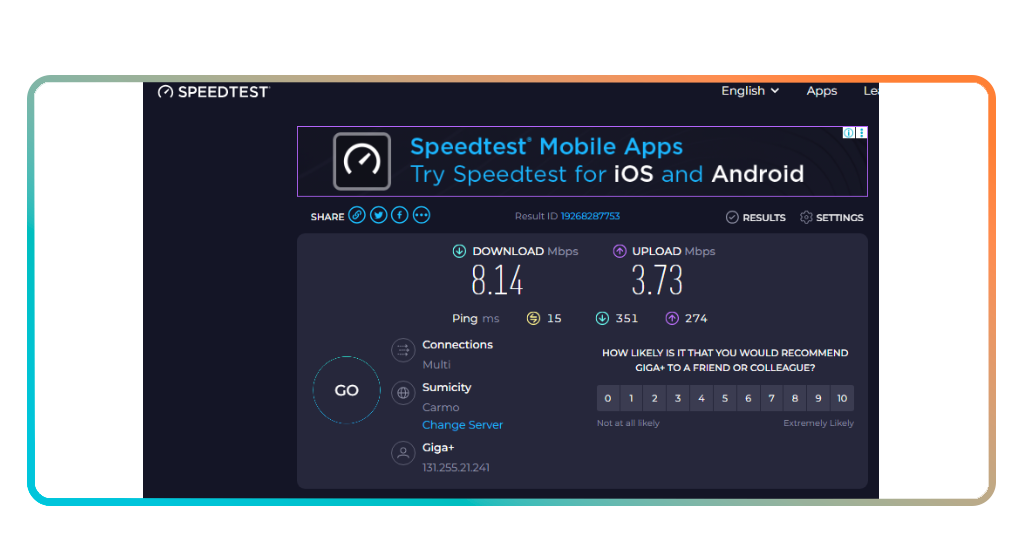
Understanding the dashboard data of your home internet test helps you match your connection limits with actual daily tasks.
The Ookla interface organizes these data points while tracking historical trends over time. If your download metrics drop drastically below what you are paying for, it’s often a sign that the local lines are congested.
To dive deeper into the root causes behind sudden performance drops, checking out an external guide on why is my internet so slow can point you toward regional infrastructure bottlenecks.
Common questions about ping and jitter metrics
Are you wondering about those yourself?
What do the ping numbers mean on my home internet test?
Ping (or latency) measures the total time it takes for a tiny packet of data to travel from your device to a remote server and bounce back. It is calculated in milliseconds (ms). A lower ping means a more responsive connection.
For competitive online gaming or fluid video calling, you want to see a ping score below 30 ms on your home internet test. Anything over 100 ms will introduce noticeable audio delays and game stuttering.
What is jitter and why does it matter?
Jitter measures the variance and stability of your ping over time. If your first ping packet takes 12 ms but the next one takes 90 ms, your jitter rating will be high.
High jitter causes packet loss, which looks like choppy audio, frozen webcam feeds, or sudden spikes during a home internet test. A healthy, stable wireless network should always aim for a jitter score below 5 ms.
Tips to fix your internet freezing problem
If your diagnostic scores look weak once you step a couple of rooms away from your router, you are likely dealing with physical range degradation rather than an actual service provider blackout.
Running a regular home internet test across different spaces highlights where wood, drywall, and metal appliances are blocking your signals. To fix these coverage dead zones permanently, try these quick home remedies:
- Elevate the router placement: never hide your router inside a closed wooden cabinet or directly on the floor. Elevating it on a bookshelf allows the signal to radiate downward and outward more efficiently;
- Swap between 2.4 GHz and 5 GHz: the 5 GHz frequency band offers blazing speeds but terrible wall penetration. If you are working far away from the access point, swap your device to the 2.4 GHz band for a more stable, long-range link;
- Deploy a dedicated booster: for multi-story homes or dense brick layouts, standard router signals often fall short. Incorporating a hardware solution like a network signal booster helps capture, amplify, and broadcast your Wi-Fi footprint deep into distant bedrooms or backyards.
4.7/5
All about that digital speed
A slow connection shouldn’t dictate how you work, stream, or relax at home. Running a routine home internet test gives you the precise, objective numbers needed to take control of your household network infrastructure.
Whether it requires a simple router reboot, a minor channel adjustment, or an external signal amplifier, knowing your true network speed is the first step toward a seamless digital environment.
Unter Insiderwissen, we are dedicated to app reviews, step-by-step tech guides, and hardware fixes. Take a minute to check your speeds, optimize your equipment layout, and experience the smooth connection your household deserves.