

We know that a rooftop solar system can look expensive at first glance, and for most homeowners that initial number is enough to close the browser tab before even checking what financial support may exist. Still, solar incentives change that calculation since they can reduce the real cost of going solar through tax credits and other programs designed to make clean energy upgrades more accessible.
The important point is that incentives are not the same as a simple discount applied at checkout, since eligibility, documentation, installation timing, and tax filing rules all matter before the benefit can be claimed. For homeowners trying to lower long-term electricity costs, understanding how these programs work can make the difference between dismissing solar as too expensive and seeing it as a realistic home investment.
What solar incentives are and what it covers?
To begin with, solar incentives are financial programs designed to reduce part of the cost connected to installing residential solar energy systems.
In the United States, one of the main programs is the federal Residential Clean Energy Credit.
That program is responsible for allowing eligible homeowners to claim a percentage of qualified solar installation expenses through federal tax credits.
The incentive may cover costs connected to solar panels, installation labor, equipment, wiring, inverters, and certain energy storage systems.
In general, they all depend on the project requirements and current program rules.
Also, some states and utility companies provide additional solar-related incentives, rebates, or net metering programs that can reduce long-term energy expenses.
Ultimately, the largest advantage comes from lowering the effective installation cost while creating the possibility of reduced electricity bills over the long term afterward.
Eligibility & how it works
Eligibility for solar incentives usually depends on factors connected to property ownership, system installation requirements, and the type of solar equipment being installed.
In many cases, homeowners must install qualifying residential solar energy systems on properties they own within the U.S. to claim the federal Residential Clean Energy Credit.
Then, the system needs to meet current program standards, and installation expenses must qualify under IRS rules connected to eligible clean energy improvements.
The credit itself works through the federal tax filing process, so eligible taxpayers claim the benefit when submitting their annual tax return using the required documentation and forms.
Additional state-level incentives, rebates, or utility programs may operate separately with their own application procedures and eligibility conditions depending on the location.
Understanding the documentation requirements early avoids confusion later when installation contracts, receipts, and tax paperwork need to align correctly.
Step-by-step: how to apply for solar incentives
Check the tutorial below to correctly applying for solar incentives:
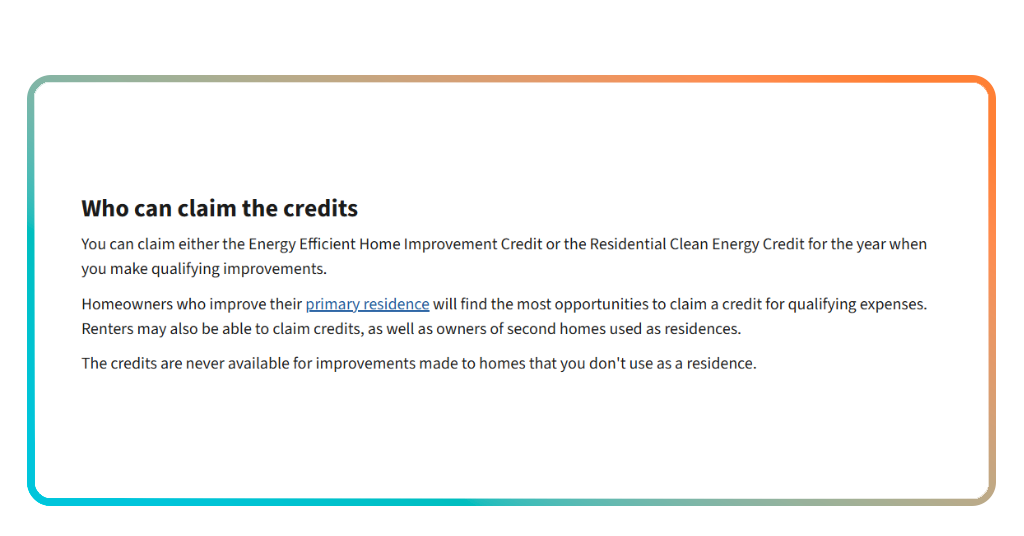
Step 1: confirm program eligibility
To begin with, check current federal and local solar incentive requirements to verify the property and installation qualify for the available programs.
Step 2: choose a qualified solar installation provider
Then you need to choose to work with a licensed installer that provides clear documentation, invoices, equipment details, and project completion records.
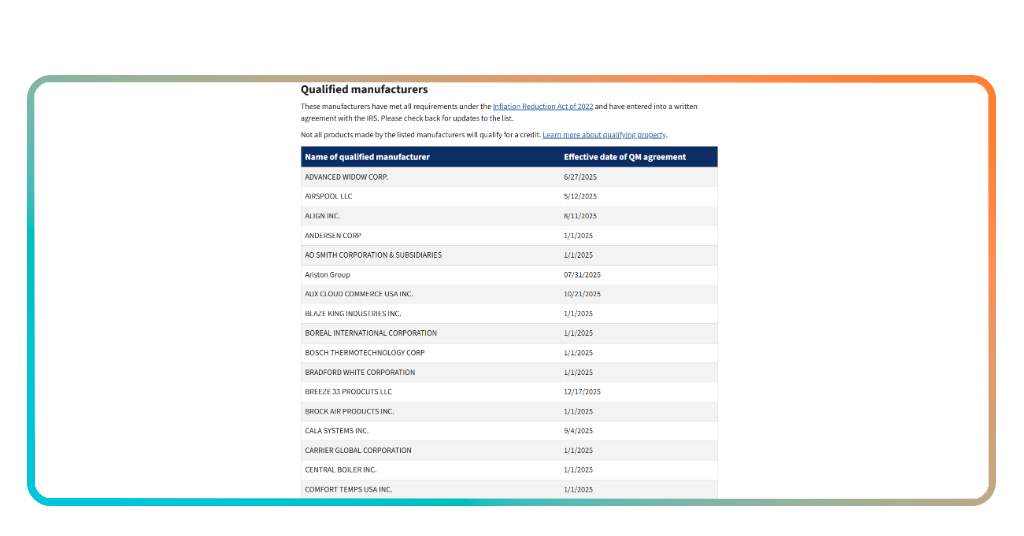
Step 3: keep all installation paperwork
Save contracts, receipts, payment confirmations, permits, and equipment information connected to the solar project.
Step 4: complete the required tax forms
Use the appropriate IRS documentation, including Internal Revenue Service Form 5695 when claiming the Residential Clean Energy Credit.
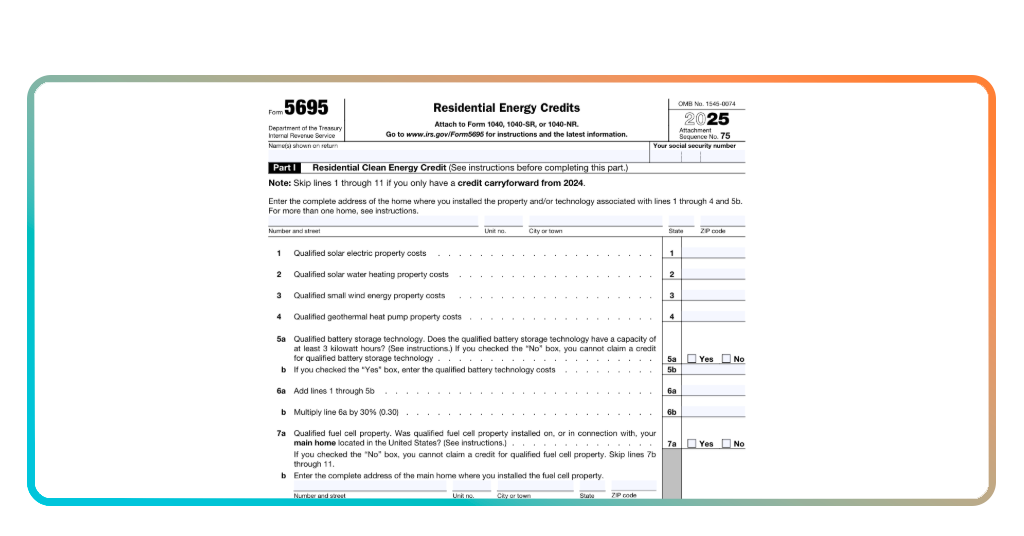
Step 5: file the tax return with Form 5695
Submit the completed tax return and maintain copies of all records in case additional verification or future reference becomes necessary.
Benefit amount, payment schedule, and timelines
The value of solar incentives depends mainly on the qualified installation costs and the percentage allowed under the applicable clean energy program rules.
For the federal Residential Clean Energy Credit, eligible homeowners may claim a percentage of qualified solar installation expenses through their federal tax return.
Also, unlike monthly assistance programs, the federal solar tax credit works as part of the annual tax filing process instead of arriving through scheduled payments during the year.
When it comes to the timeline, it depends on when the installation was completed and when the taxpayer files the corresponding federal tax return connected to the eligible project.
Additional state incentives or utility rebates may operate differently, since some programs provide upfront discounts or bill credits depending on local energy policies.
Common mistakes to avoid when applying
A lot of solar incentive application problems happen through missing paperwork or unrealistic assumptions about how the tax credit process works.
One common mistake is assuming every solar-related expense automatically qualifies for federal solar incentive.
That happens even more when people apply without verifying whether the equipment and installation meet current program requirements.
Another issue appears when homeowners fail to keep organized records such as invoices, contracts, permits, and payment confirmations needed during the tax filing process later.
In addition, some applicants misunderstand the difference between a tax credit and direct cash assistance.
In the end, it creates unrealistic expectations about immediate payments or monthly financial support.
Waiting too long to review filing deadlines or required IRS documentation may create additional complications as well.
Even more when homeowners try gathering installation paperwork months after the project was completed.
In summary, the smoothest application process starts with careful planning and organized documentation long before the tax return is actually submitted.
How solar incentives reduce installation costs
Solar incentives continue helping homeowners make residential solar energy projects more financially accessible through federal tax credits and other clean energy programs.
Understanding eligibility rules, installation requirements, documentation, and filing timelines is important since the financial benefit depends on accurate preparation.
Die Residential Clean Energy Credit may reduce part of the installation cost significantly for households planning long-term energy savings and lower electricity expenses over time.
Researching available incentives carefully before installation helps transform solar energy from an expensive idea into a more realistic financial investment.
Verwandt: Solar Savings Test: Check If Your Home Could Lower Energy Bills
Hat Ihnen dieser Artikel gefallen? Speichern Insiderwissen to your favorites and discover the most useful tech tips.